Christmas Chocolate Bonbons: Tempering, Fillings and Festive Finishes
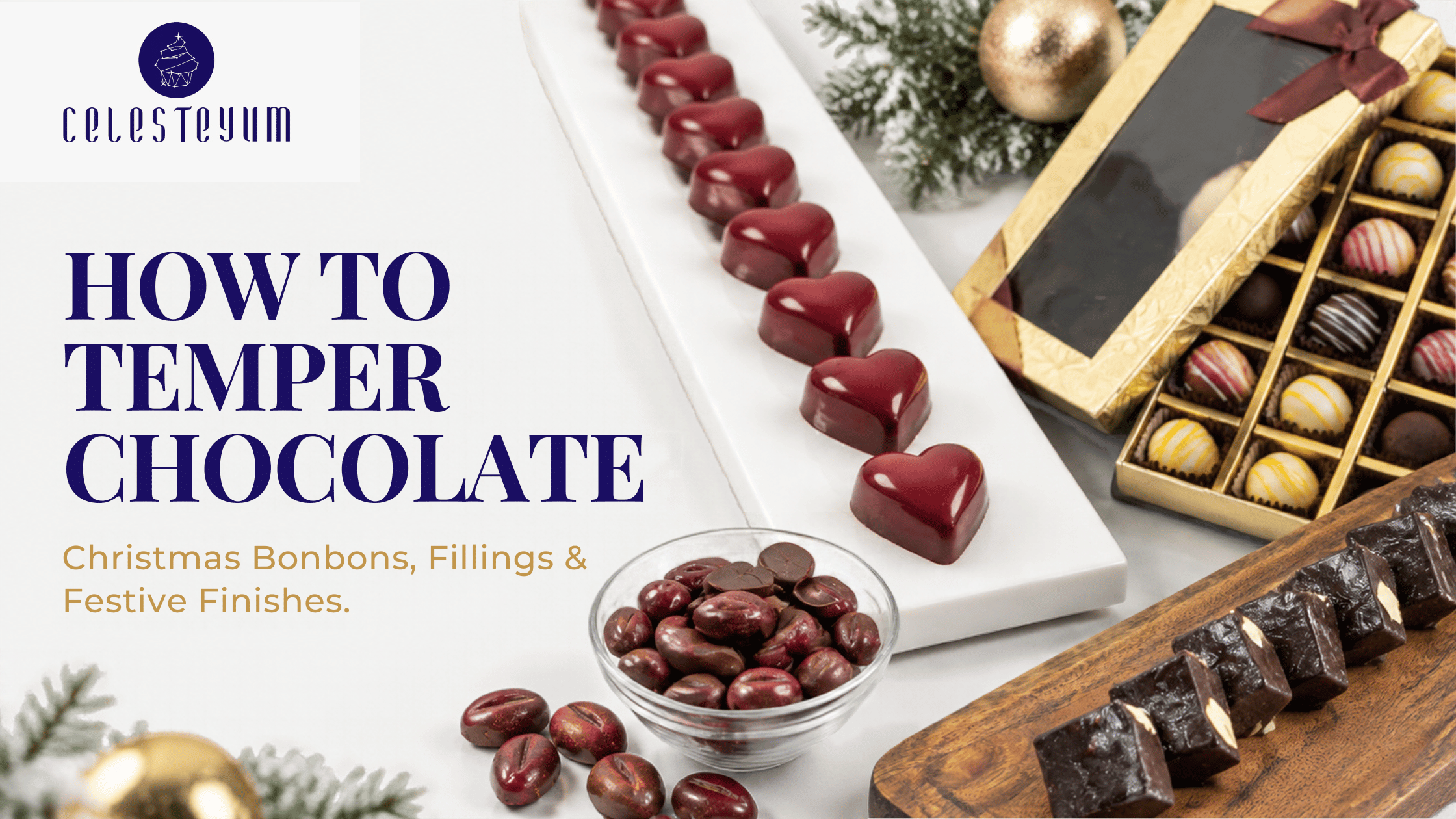
Knowing how to temper chocolate is the difference between a glossy bonbon that snaps cleanly and a dull, sticky one that refuses to leave the mould.
Whether you are preparing handmade Christmas chocolates, festive gift boxes or artisan confectionery for your bakery, understanding chocolate tempering helps you achieve consistent results.
This guide follows the complete bonbon workflow: mould preparation, tempering, shelling, ganache filling, sealing and storage. Each stage explains what to do, what can go wrong and how to diagnose common problems.
Before you begin, read our guide to couverture vs compound chocolate to understand which type of chocolate is suitable for professional bonbon making.
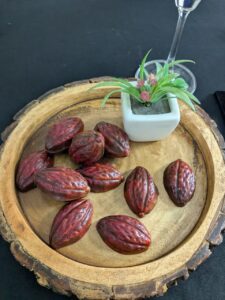
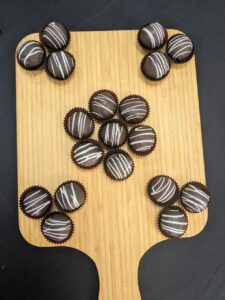

How to Temper Chocolate for Bonbons
Tempering controls how cocoa butter crystallises. Heating melts the existing crystals, while controlled cooling and gentle rewarming encourage the formation and retention of stable cocoa butter crystals.
Properly tempered chocolate develops a glossy appearance, a clean snap and the ability to contract away from the mould as it sets.
Chocolate Tempering Temperature Chart
Dark, milk and white chocolate have different tempering temperature requirements. Use a probe thermometer and follow the recommendations of your chocolate manufacturer.
| Chocolate | Melt to | Cool to | Working Temperature |
|---|---|---|---|
| Dark Chocolate | 45–50°C | 27–28°C | 31–32°C |
| Milk Chocolate | 40–45°C | 26–27°C | 29–30°C |
| White Chocolate | 40–45°C | 25–26°C | 28–29°C |
These are typical temperature ranges for couverture chocolate. Exact temperatures may vary depending on the chocolate formulation and cocoa butter content.
For additional technical guidance, refer to Callebaut's guide to chocolate tempering methods .
How to Temper Chocolate Using the Seeding Method
The seeding method is a practical technique for tempering chocolate without professional tempering machinery.
- Chop the couverture chocolate into small, evenly sized pieces.
- Melt approximately two-thirds of the chocolate to its recommended melting temperature.
- Remove the melted chocolate from the heat.
- Gradually add the remaining finely chopped, already-tempered chocolate while stirring.
- Monitor the temperature until the chocolate reaches its recommended working range. Remove any unmelted pieces of seed chocolate.
- Test a small amount on parchment before filling your bonbon moulds.
Professional tip: In a cool room, ideally around 18–22°C, properly tempered chocolate should begin setting within a few minutes and develop a glossy, streak-free finish.
How to Keep Chocolate in Temper
Keeping chocolate in temper is as important as tempering it correctly. As you work, the chocolate gradually cools and thickens.
Rewarm it gently in short bursts while stirring continuously. Monitor its temperature regularly and avoid exceeding the recommended working range unnecessarily. If the chocolate loses its temper, repeat the tempering process.
Learn Professional Chocolate Tempering
Build practical skills in chocolate handling, tempering, moulding and artisan confectionery through hands-on classroom training at Celesteyum Academy, Whitefield, Bangalore.
How to Make Christmas Chocolate Bonbons
Once your chocolate is tempered, the next stage is preparing the moulds, creating the chocolate shells, adding the filling and sealing the finished bonbons.
1 Prepare and Decorate the Bonbon Moulds
Chocolate moulds should be clean, completely dry and at room temperature before use. Polish each cavity gently using clean, lint-free cotton.
The finished chocolate copies the surface of the mould, so proper mould preparation plays an important role in achieving a glossy finish.
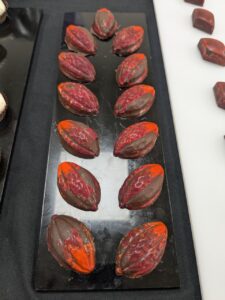
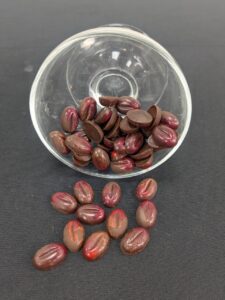
For festive Christmas chocolates, decorate the moulds using food-grade coloured cocoa butter, edible gold dust or suitable decorative ingredients.
Follow the supplier's temperature guidance when working with coloured cocoa butter.
2 Make the Chocolate Shells
Fill each cavity with tempered chocolate and gently tap the mould to release trapped air bubbles.
Turn the mould upside down over a bowl to allow the excess chocolate to drain. Scrape the surface clean and allow the shells to set.
Aim for thin, even chocolate shells without cracks, air pockets or pinholes. Recheck the working temperature of the chocolate throughout the process.
3 Prepare and Pipe the Ganache Filling
Ganache provides the soft centre of many artisan chocolate bonbons.
As a starting point, a soft dark chocolate ganache can use approximately equal weights of chocolate and cream. A firmer truffle ganache may use closer to two parts dark chocolate to one part cream.
These proportions need to be adjusted depending on the chocolate type, desired texture and filling formulation.
Christmas Chocolate Filling Ideas
- Dark chocolate and orange zest
- Cinnamon-infused chocolate ganache
- Gingerbread-spiced ganache
- Dark chocolate and cranberry
- Salted caramel chocolate bonbons
For infused ganache, flavour the cream with orange zest or spices and strain it before preparing the filling.
Allow the ganache to cool to a suitable piping temperature, typically around 28–30°C, so that it does not melt the chocolate shells.
Pipe the filling into each cavity, leaving approximately 2 mm of space below the rim for sealing.
4 Seal and Unmould the Bonbons
Once the filling has sufficiently set, cover the cavities with tempered chocolate to create the base of each bonbon.
Scrape the surface flat to remove excess chocolate and ensure the edges are properly sealed.
Allow the chocolate to set completely before turning the mould upside down and tapping gently.
Properly tempered chocolate contracts as it crystallises, allowing the finished bonbons to release more easily.
5 Store and Package the Chocolate Bonbons
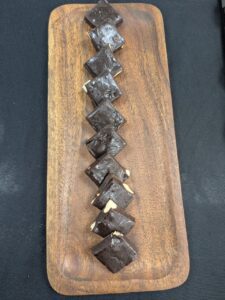
Protect finished bonbons from moisture, strong odours, direct sunlight and sudden temperature changes.
Fresh-cream ganache fillings are perishable. Refrigerate them unless the recipe has been specifically formulated and validated for room-temperature storage, and consume them promptly.
When removing refrigerated bonbons, keep the container sealed until it reaches room temperature to reduce condensation on the chocolate surface.
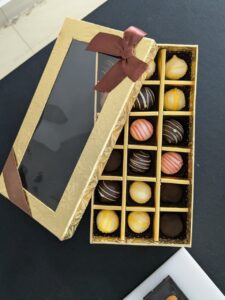
For additional guidance, explore our baked goods shelf life tips and creative bakery packaging ideas .
You can also find inspiration for festive gift boxes in our guide to handmade chocolate gift ideas .
Common Chocolate Tempering Problems and Solutions
Understanding why chocolate bonbons develop dull finishes, cracks or poor mould release helps improve consistency and reduce waste.
| Problem | Likely Cause | Solution |
|---|---|---|
| Dull or matte surface | Incorrect tempering, unpolished mould or warm, humid conditions. | Re-temper the chocolate, polish the mould and work in a cooler room. |
| Grey streaks or swirls | Poor tempering or temperature fluctuations causing fat bloom. | Check the tempering curve and maintain stable storage conditions. |
| Chocolate sticking to mould | Incomplete setting or improperly tempered chocolate. | Allow additional setting time and check the temper. |
| Cracked chocolate shells | Shells are too thin or the ganache filling is too warm. | Create slightly thicker shells and cool the ganache before piping. |
| Leaking filling | Pinholes in the shell or an incomplete chocolate seal. | Inspect the shells and ensure the chocolate base is fully sealed. |
| White, grainy spots | Moisture or condensation causing sugar bloom. | Keep the chocolates dry and allow sealed containers to reach room temperature. |
Remember: Consistent chocolate tempering depends on temperature control, proper mould preparation, suitable filling consistency and stable storage conditions.
Practise Chocolate Tempering With an Instructor
Chocolate tempering is easier to understand through practical experience. The gloss, thickness and setting behaviour of chocolate can be difficult to judge when learning from written instructions alone.
At Celesteyum Academy in Whitefield, Bangalore, classroom training allows learners to practise chocolate handling and professional baking techniques under instructor guidance.
Explore Relevant December Baking Classes
Artisan Chocolates
Learn chocolate tempering, artisan confectionery, bonbons, truffles and filling preparation.
Location: Whitefield, Bangalore
Batch: Contact the academy to confirm availability.
View Course DetailsChristmas Special Class
Explore festive baking and Christmas preparations through practical classroom training.
Location: Whitefield, Bangalore
Batch: Contact the academy to confirm availability.
Enquire About the ClassBakers Foundation Programme
Develop foundational baking skills, precision and professional preparation techniques.
Location: Whitefield, Bangalore
Batch: 14–18 December 2026
View Course DetailsCourse content and batch dates may vary. Contact the academy to confirm availability and the techniques covered in each class.
Build Your Artisan Chocolate Making Skills
Learn professional chocolate making techniques through hands-on training at Celesteyum Academy.
Whitefield, Bangalore | Offline Classroom Training
Frequently Asked Questions
How do I know if chocolate is tempered?
Spread a small amount of chocolate on parchment or a clean knife. Properly tempered chocolate should begin setting within a few minutes in a cool room and develop a glossy, streak-free finish.
Can I temper chocolate without a thermometer?
It is possible, but a probe thermometer makes chocolate tempering more reliable, especially for beginners. Small temperature differences can affect cocoa butter crystallisation.
Why are my chocolate bonbons dull?
Common causes include chocolate that has lost its temper, improperly polished moulds and warm working conditions. Re-temper the chocolate, polish the moulds and work in a cooler environment.
How long do chocolate bonbons last?
Shelf life depends on the filling, ingredients, water activity and storage conditions. Bonbons containing fresh-cream ganache should be refrigerated and consumed promptly unless their shelf life and storage conditions have been professionally validated.
What is the best chocolate for making bonbons?
Couverture chocolate is suitable for professional moulded bonbons because its cocoa butter content allows it to develop a glossy finish and clean snap when correctly tempered.
Where can I learn chocolate making in Bangalore?
Celesteyum Academy in Whitefield, Bangalore offers hands-on chocolate making classes covering techniques such as tempering, bonbons, truffles and artisan chocolate preparation.
Interested in Learning Chocolate Making?
Contact Celesteyum Academy to learn more about upcoming classroom batches, course content and admission details.
UPCOMING CLASSES
- Artisan Chocolates Class in Bangalore
November 26, 2026 - Breakfast Pastries Course in Bangalore
November 28, 2026 - International Breads
November 30, 2026 - Cookies and Brownies Class in Bangalore
December 5, 2026 - Sour Dough Breads Class in Bangalore
December 5, 2026 - Classic French Pastries Class in Bangalore
December 7, 2026 - Macaron Class in Bangalore
December 12, 2026 - Bakers Foundation Program in Bangalore
December 14, 2026

Shobha Bhat

Founder and Pastry Chef
Celesteyum Academy is the culmination of years of passionate baking and Shobha‘s dedication to teaching the best practices in the world of baking. Coming from a family deeply entrenched in the hospitality industry, her journey into the world of baking began a decade ago.