Creative Bakery Packaging Ideas for Baked Goods
Good bakery packaging has to do several jobs at the same time. It needs to protect the product, survive handling and delivery, provide space for important information, suit the customer’s needs and still represent the bakery professionally.
For a home baker or small bakery business, packaging is also part of product costing and day-to-day operations. The right box for a celebration cake may be completely unsuitable for cookies, brownies or bread.
This guide covers practical bakery packaging ideas, materials, labels, product-specific packaging and the business considerations that matter when choosing packaging for baked goods.
What Makes Good Packaging for Bakery Products?
Effective packaging for bakery products should be selected around the product rather than appearance alone.
Before choosing a box, pouch or container, consider:
- How fragile the product is
- Whether it contains cream, icing or delicate decoration
- How long it needs to remain fresh
- Whether it will be collected or delivered
- How it will be stored
- Whether customers need to reseal it
- The amount of information that must appear on the label
- The packaging cost per unit
Practical point: A decorated cake, loaf of bread and box of cookies have different protection, transport and storage requirements. Packaging should therefore be treated as an operational decision as well as a branding decision.
Understand Who You Are Packaging For
Before deciding on colours, materials, sizes or presentation, identify who normally buys the product.
A bakery selling individual brownies to office customers may need compact, convenient packaging. A business producing premium celebration cakes requires stronger cake boxes and boards. Gift orders may justify a more presentation-led box.
Think about:
- The customer’s budget
- Typical order quantity
- Whether the product is bought as a gift
- Collection versus delivery
- Storage after purchase
- How the customer will carry the product
Packaging should make the product easier to buy, transport and use.
Use Packaging to Build a Recognisable Bakery Brand
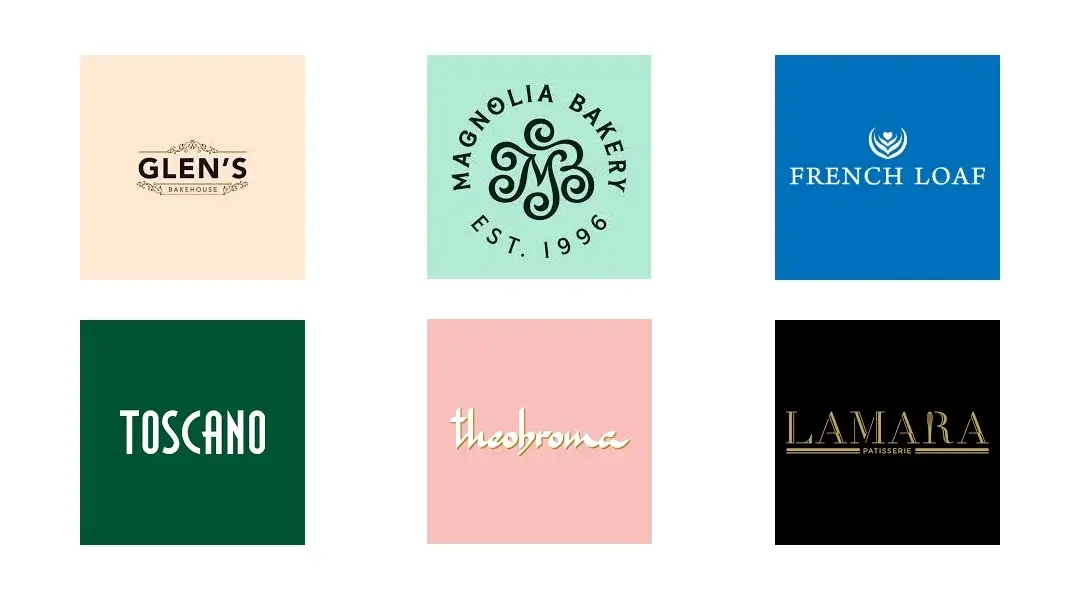
For small baking businesses, consistency is often more useful than elaborate custom packaging.
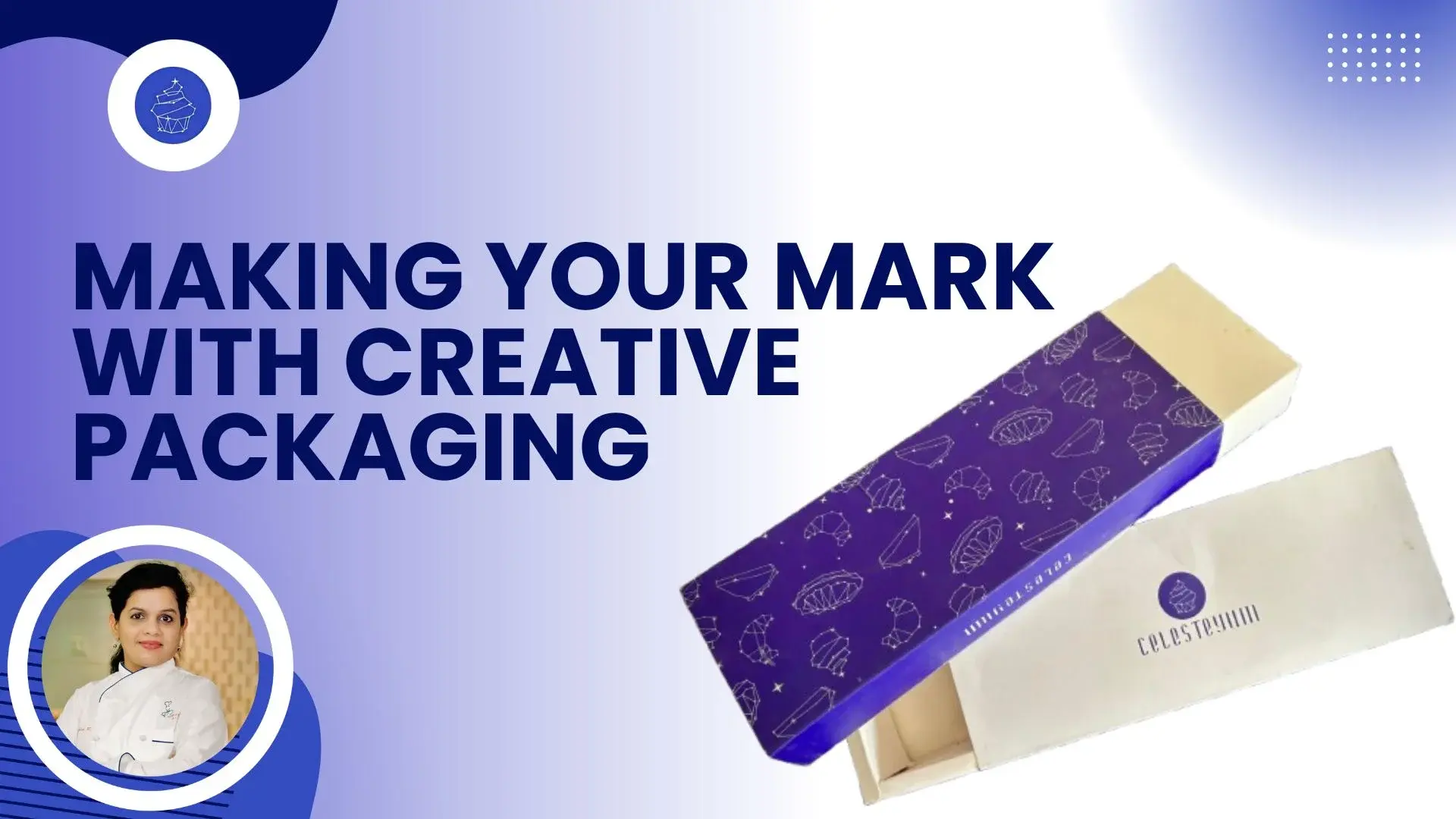
The same logo, typography and colour palette can be repeated across cake boxes, labels, cookie pouches, bread packaging and gift packs.
Useful branding elements include:
- Branded stickers
- Box sleeves
- Product labels
- Printed tags
- Tissue paper
- Consistent ribbon colours
- Stamped paper bags
- Inserts or thank-you cards
A standard food-safe box with a well-designed label may be more practical than investing immediately in fully customised packaging. As order volume grows, packaging can then become more specialised.
Bakery Packaging Materials: What Should You Consider?
The appropriate bakery packaging material depends on the product, food-contact requirements, storage conditions, moisture, transportation and presentation.
| Bakery Product | Practical Packaging Options | Main Consideration |
|---|---|---|
| Cookies | Pouches, small boxes, trays | Breakage and freshness |
| Brownies | Individual wraps, boxes, divided trays | Portion protection |
| Cakes | Cake boards and rigid boxes | Stability during transport |
| Cupcakes | Boxes with inserts | Preventing movement |
| Bread | Food-safe paper, bags or suitable wrappers | Product protection and storage |
| Pastries | Boxes, trays or containers | Protecting delicate finishing |
| Gift Assortments | Compartment boxes or inserts | Separating different products |
Food safety is key. Packaging materials used for commercial food products should be appropriate for food contact and suitable for the product being packed. Businesses in India can refer to the official FSSAI Food Safety and Standards Packaging Regulations when evaluating applicable packaging requirements.
Packaging also needs to handle transport, stacking and general handling. For more guidance on this part of bakery operations, read our Logistics Planning for Small Bakeries & Businesses guide.
How to Package Cookies for Sale
Cookie packaging needs to protect against breakage while remaining practical for the number of pieces being sold.
Small quantities may work well in food-safe pouches or compact boxes. Larger cookie orders may require trays, inserts or boxes that prevent products from moving during transport.
When choosing cookie packaging, consider:
- Number of cookies per pack
- Cookie size and thickness
- Whether decorations can rub against the packaging
- Freshness requirements
- Delivery distance
- Label space
- Whether the package should be resealable
A transparent pouch with a professionally designed label can work well for simple products, while premium cookie collections may justify a structured gift box.
The objective is not to use the most expensive package. It is to choose packaging that protects the product and supports the way it is sold.
Packaging Ideas for Brownies
Brownies are generally easier to transport than heavily decorated bakery products, but poor packaging can still damage their appearance.
For individual brownies, food-safe wraps, compact containers or small boxes can help protect portions. For multiple pieces, consider a box or tray that prevents pieces from sliding into one another.
Useful considerations include:
- Portion size
- Whether toppings are sticky or delicate
- Number of pieces per order
- Whether brownies are sold individually or as a box
- Delivery conditions
- Storage instructions
For bake-sale or bulk orders, using consistent portion and packaging sizes can also make packing and fulfilment more efficient.
Bakery Box Ideas for Cakes, Pastries and Gift Orders
Bakery boxes do not need to be complicated to look professional. Standard boxes can be personalised without immediately moving to expensive fully customised packaging.
Useful options include:
- Branded stickers
- Printed sleeves
- Product labels
- Inserts
- Tissue paper
- Ribbons
- Small product cards
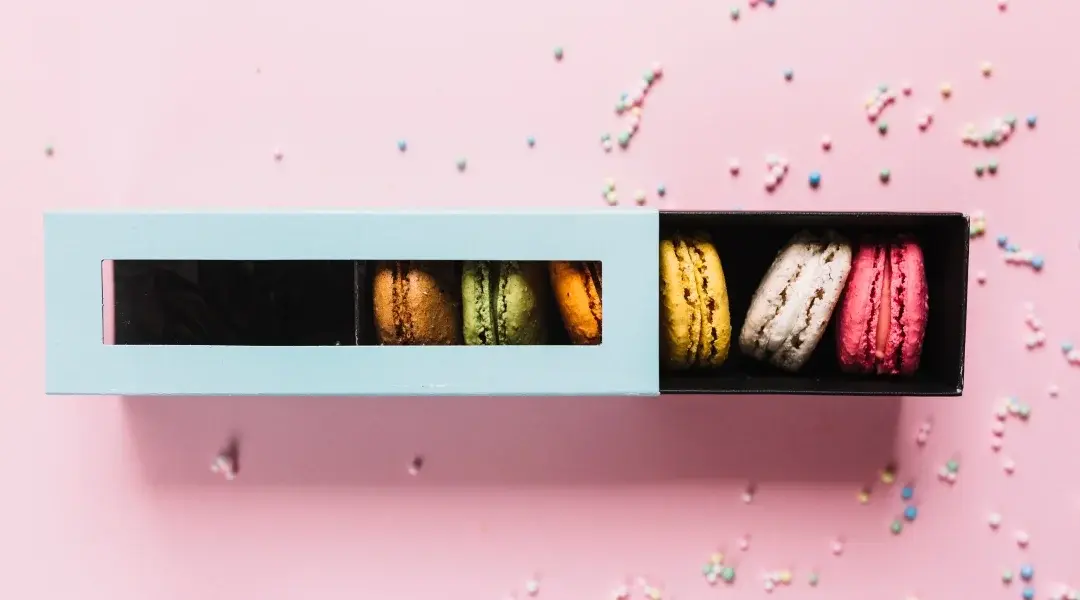
Window boxes can work where showing the product improves presentation, provided the package still gives the baked item enough protection.
For celebration cakes, strength and stability matter more than decorative packaging alone. The cake board, box dimensions and transport method need to work together.
For pastries, dividers or inserts may help prevent delicate items from touching one another.
Choose Packaging Sizes Around Real Order Patterns
One package size rarely works for every customer.
- Individual packs
- Two- or four-piece boxes
- Half-dozen packs
- Larger sharing boxes
- Celebration cake boxes
- Gift assortments
- Bulk-order packaging
Using a box that is too large wastes material and can allow products to move. Packaging that is too small can damage icing, decoration or the product itself.
Before ordering packaging in large quantities, test it using the actual product.
Packaging Must Work During Delivery
A package that looks attractive on a counter may perform poorly once it enters a delivery bag or vehicle.
Test packaging under realistic conditions and check:
- Product movement
- Box strength
- Lid security
- Stacking
- Heat exposure
- Moisture
- Carrying handles
- Space required during transport
Packaging decisions should therefore be connected to delivery and fulfilment planning. For more information, see our guide to logistics planning for small bakeries and businesses .
Make Bakery Labels Clear and Useful
Simple packaging can become much more professional with a clear product label.
Depending on the product and applicable requirements, a label may need to communicate information such as product identity, ingredients, allergens, storage instructions and relevant business or date information.
Businesses selling applicable pre-packaged food in India should review the official FSSAI Labelling and Display Regulations for current regulatory requirements.
A decorative sticker should not be treated as a substitute for any information required for the way a product is packaged and sold.
Packaging Cost Is Part of Product Costing
Boxes, boards, labels, pouches, ribbons, inserts and delivery materials all contribute to the real cost of fulfilling an order.
For example, if a brownie costs ₹30 in ingredients and direct production inputs but requires ₹15 worth of box, liner and label, ignoring the packaging would significantly understate the actual product cost.
Packaging costs may also change with:
- Order quantity
- Custom printing
- Box dimensions
- Product weight
- Delivery requirements
- Seasonal gift packaging
Bakery entrepreneurs should therefore calculate packaging at product level rather than treating it as a general miscellaneous expense.
For a deeper look at managing bakery margins, see our guide to cost control techniques for professional bakeries .
BAKING + BUSINESS TRAINING
Planning to Start or Grow a Bakery Business?
Celesteyum’s 4-week Bakery Business & Entrepreneur Baking Course combines hands-on baking with costing, menu planning, production workflow and bakery-business fundamentals.
Explore the Bakery Business CourseTest Packaging Before Buying in Bulk
One of the easiest packaging mistakes is purchasing a large quantity before testing the actual product inside it.
Before committing to a larger order, check:
- Product fit
- Movement
- Clearance around decoration
- Closure
- Carrying comfort
- Label visibility
- Shelf or display appearance
- Delivery performance
For cakes, test the combination of cake board and box. For cookies and brownies, test how the packaging behaves when several units are stacked or transported together.
Make the Product Range Look Consistent
Customers may receive several different products from the same bakery. Packaging does not need to be identical, but the products should still feel like they came from the same business.
Review the whole range together and ask:
- Is the bakery name clearly visible?
- Is the logo used consistently?
- Are colours reasonably consistent?
- Are labels easy to read?
- Does the presentation suit the price point?
- Does any product look disconnected from the rest of the range?
Consistency can make a small bakery appear more organised without requiring every box to be custom manufactured.
Packaging Should Work for Retail and Wholesale Orders
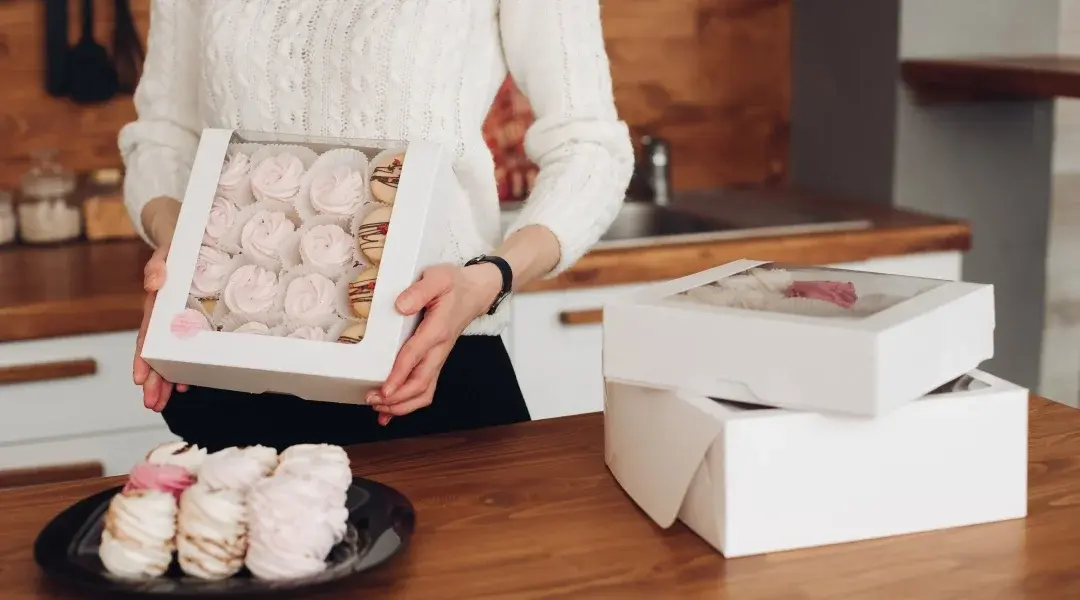
Packaging requirements can change when a bakery begins supplying cafés, shops, corporate customers or wholesale buyers.
Business customers may value:
- Stackability
- Consistent dimensions
- Clear labels
- Storage efficiency
- Fast handling
- Reliable product protection
A package designed purely for attractive direct-to-consumer presentation may not be the most efficient format for larger commercial orders.
If your order volume is increasing, read our guide on scaling bakery production from small batches to bulk orders .
Consider More Sustainable Packaging Where Practical
Some customers prefer packaging that reduces unnecessary material or uses recyclable or lower-waste options.
Depending on the product, options may include:
- Recyclable cardboard boxes
- Paper-based trays
- Reduced secondary packaging
- Reusable packaging for selected products
- Suitable food-contact packaging that meets applicable requirements
Sustainability should not compromise food safety, product protection or required performance. The appropriate choice depends on the baked product, storage conditions, availability and food-contact requirements.
Common Bakery Packaging Mistakes to Avoid
Choosing Appearance Over Protection
A decorative package that damages the product during transport is not effective bakery packaging.
Ignoring Packaging in Product Costing
Packaging can materially affect the margin on small, premium or individually packed products.
Buying Too Many Packaging Sizes
Too many package formats increase inventory, purchasing and storage complexity.
Using Oversized Boxes
Oversized packaging wastes material and can allow products to move during delivery.
Printing Large Quantities Before Testing
Dimensions, labels or design elements may need adjustment after the package is tested with the actual product.
Treating Every Bakery Product the Same
Cookies, pastries, bread, brownies and decorated cakes have different physical, storage and transportation requirements.
Bakery Packaging Is Part of the Business System
Product protection → food safety → branding → costing → storage → delivery → customer experience
These decisions work together. Packaging should therefore be planned as part of the bakery’s operating system rather than being chosen only after the product is finished.
Good packaging does not have to be elaborate. It needs to be appropriate for the product, practical for the way the bakery operates and consistent with the business’s positioning.
As order volume grows, packaging decisions also begin to affect production speed, inventory management, delivery and margins.
Build the Baking and Business Skills Behind Your Products
Packaging can help customers recognise and safely receive your baked products, but running a structured bakery business also requires practical baking skills, product costing, menu planning, production workflow and consistent operations.
If you are preparing to move from occasional baking into a more structured commercial operation, Celesteyum Academy’s Bakery Business Course in Bangalore is a 4-week hands-on programme combining practical baking with bakery-business fundamentals.
4-WEEK BAKING + BUSINESS PROGRAMME
Want to Build Your Own Bakery Business?
Explore Celesteyum’s Entrepreneur Baking Course in Whitefield, Bangalore, with hands-on baking training alongside costing, menu planning, production workflow and bakery-business fundamentals.
View the 4-Week Bakery Business CourseUPCOMING CLASSES
- Artisan Breads Workshop in Bangalore
October 12, 2026 - Cookies and Brownies Class in Bangalore
October 17, 2026 - Breakfast Pastries Course in Bangalore
October 24, 2026 - Bakers Foundation Program in Bangalore
October 26, 2026 - Bread Fundamentals Class in Bangalore
November 2, 2026 - Breakfast Pastries Course in Bangalore
November 5, 2026 - Bakers Foundation Program in Bangalore
November 9, 2026 - Bread Fundamentals Class in Bangalore
November 14, 2026 - Sour Dough Breads Class in Bangalore
November 14, 2026


Shobha Bhat

Founder and Pastry Chef
Celesteyum Academy is the culmination of years of passionate baking and Shobha‘s dedication to teaching the best practices in the world of baking. Coming from a family deeply entrenched in the hospitality industry, her journey into the world of baking began a decade ago.