10 Wedding Cake Tips for Planning, Baking, Stacking & Decorating
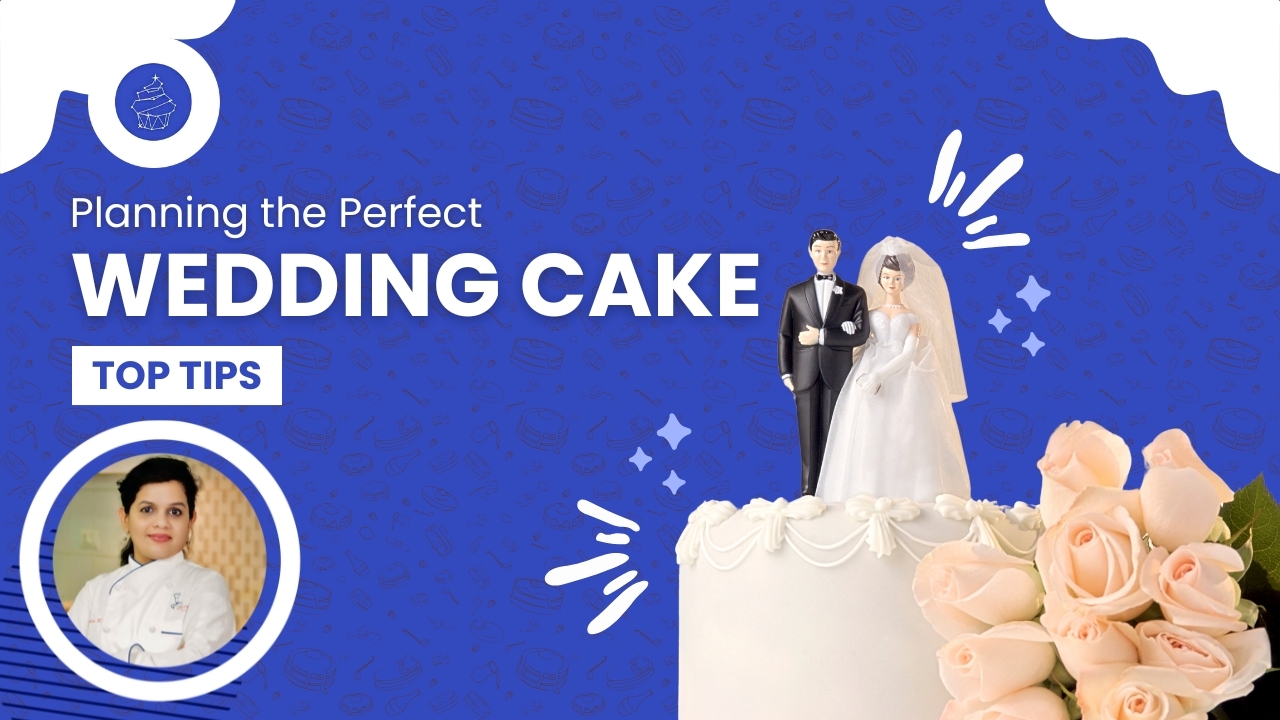
Making a wedding cake requires much more planning than baking a standard celebration cake. A multi-tier cake must taste good, look appropriate for the event, remain structurally stable and arrive at the venue in good condition.
Whether you are preparing a wedding cake for family, a customer or as part of your professional baking practice, the process becomes easier when you break it into stages: servings, design, flavour, test baking, structure, decoration, storage and transport.
These wedding cake tips focus on the practical decisions that help bakers plan and execute a tiered cake more reliably rather than simply choosing a decorative design.
1. Calculate Wedding Cake Servings Before Choosing the Tiers
Before deciding how many tiers a cake should have, estimate how many portions are required. The number of guests affects the cake diameter, number of tiers and amount of batter, filling and frosting needed.
Do not choose a tier configuration only because it looks attractive. A good wedding cake plan balances appearance with realistic serving requirements.
When planning the cake, consider:
- Approximate guest count
- Whether another dessert will also be served
- Serving size
- Shape of each tier
- Number of tiers
- Whether every tier will be served
Different tier sizes can be combined in several ways, so the same number of guests does not always require the same cake design.
Planning tip: establish the serving requirement before committing to a wedding cake design. Changing the number of tiers later can affect structure, decoration and production time.
2. Consider the Venue, Weather and Wedding Schedule
A wedding cake should be planned for the environment in which it will be displayed and served.
Consider:
- Indoor or outdoor venue
- Expected temperature
- Travel distance
- Road and vehicle conditions
- Access to refrigeration where required
- How long the cake will remain on display
- Time available for final assembly
- Access to the cake table or display area
A frosting, filling or decoration that performs well in one environment may need different handling in another. The venue should therefore influence your recipe, finishing and transport plan.
3. Test the Wedding Cake Recipe Before the Event
A wedding cake is not the ideal occasion to test an unfamiliar recipe for the first time.
Use a recipe you understand and complete a test bake before the event. This gives you an opportunity to evaluate:
- Flavour
- Texture
- Baking time
- Finished cake height
- Strength of the sponge
- Filling compatibility
- Frosting behaviour
- Ease of stacking and finishing
If you have limited experience with tiered cakes, practising a smaller stacked cake can also help you understand boards, dowels, frosting and assembly before working on the final cake.
4. Choose a Wedding Cake Design You Can Execute Reliably
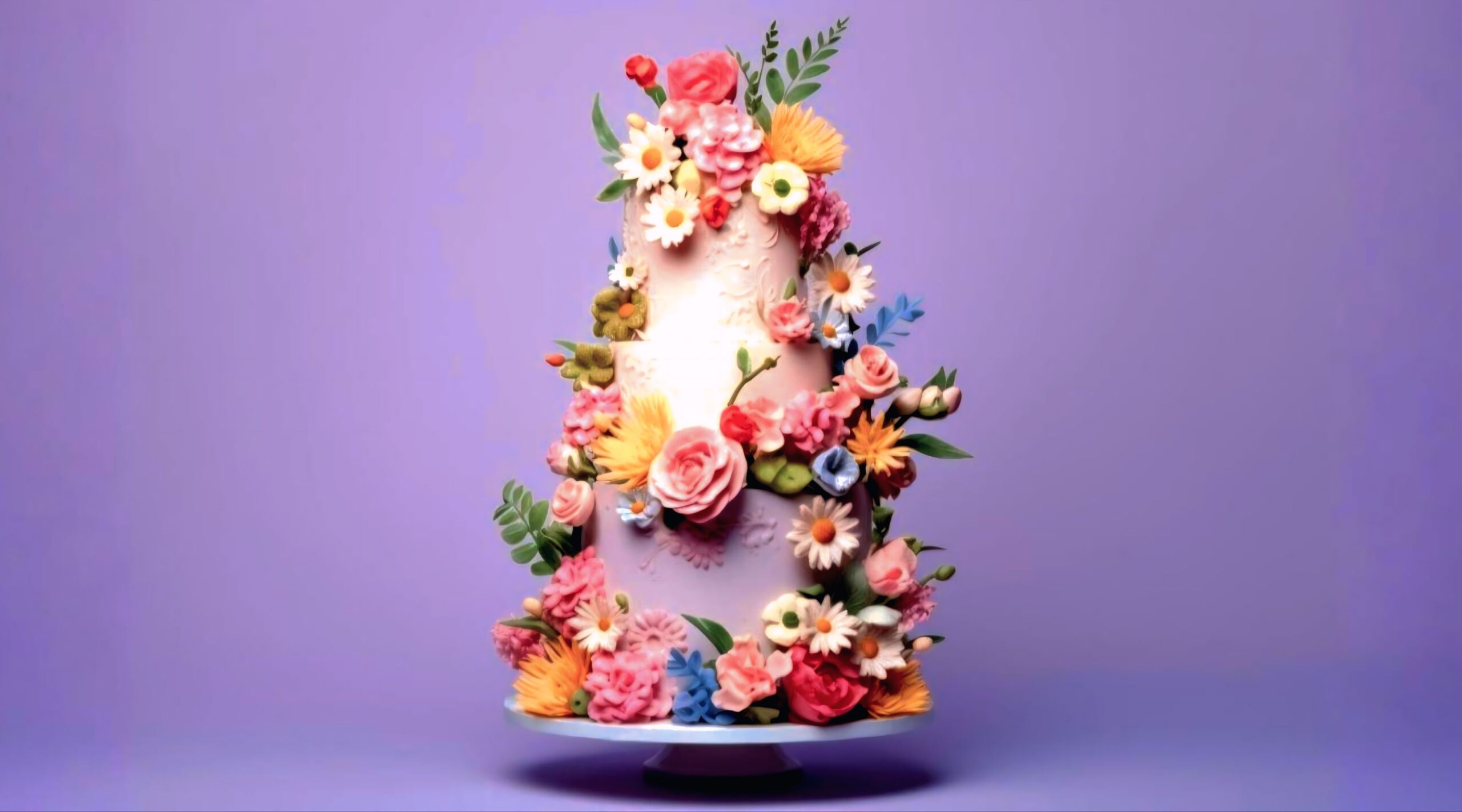
Wedding cake designs can range from restrained buttercream finishes to detailed fondant, piping, sugar flowers and other decorative work. The most appropriate design is not necessarily the most complicated one.
Choose a design based on:
Your Current Skill Level
Use techniques you can reproduce cleanly and consistently rather than testing several unfamiliar methods at once.
Production Time
Detailed sugar work, flowers, piping and fondant elements may require substantial preparation time.
Venue Conditions
The design and finishing should remain appropriate for the expected temperature, transport and display conditions.
Overall Wedding Style
Consider colours, visual theme, flowers, table design and the couple's preferences.
If cake decoration is an area you want to develop separately, see Celesteyum's Cake Decoration Classes in Bangalore and Fondant Cake Decorating Classes.
Those pages cover dedicated decoration training; this guide remains focused on planning and producing the wedding cake itself.
5. Plan the Structure of a Tiered Wedding Cake
A tiered wedding cake needs internal support. Upper tiers should not simply rest directly on the cake beneath them.
Depending on the cake design, bakers commonly use:
- A separate cake board beneath each tier
- Food-safe dowels or other appropriate supports
- A stable base board
- Correctly levelled cake layers
- Appropriate chilling or setting before assembly
The supports carry the weight of the tiers above them rather than allowing that pressure to be transferred entirely through the sponge and filling.
Dense or heavy cakes also need to be considered when deciding how the tiers will be arranged.
Structure matters: visual finishing cannot compensate for an unstable cake. Level layers, suitable boards and correctly positioned supports should be planned before decoration is completed.
6. Choose Wedding Cake Flavours That Work Together
Choosing wedding cake flavours is not only about selecting favourites. The sponge, filling and frosting need to work together in taste, texture, stability and handling.
Before finalising a flavour combination, evaluate:
- Sponge flavour
- Filling
- Frosting
- Sweetness balance
- Texture
- Storage requirements
- Stability during assembly
- Venue conditions
Using a smaller number of well-tested combinations can also make production easier than creating many unrelated flavours across a multi-tier cake.
A flavour tasting or test bake is useful because it allows the final combination to be evaluated before the event.
7. Plan Wedding Cake Decoration Around Your Skill and Timeline
Decoration should be planned early because some elements can take significantly longer than expected.
Possible finishing approaches include:
- Buttercream finishes
- Fondant
- Piping
- Edible decorations
- Sugar flowers
- Chocolate decorations
- Approved decorative elements appropriate for food presentation
Do not assume that a simpler-looking cake is always quick to produce. Smooth finishes, sharp edges and restrained decoration can still require considerable precision.
If fresh flowers or other non-edible decorative materials are being considered, make sure the materials and method of placement are appropriate for contact with food. Avoid inserting unsuitable stems or materials directly into the cake.
8. Prepare Wedding Cake Components Ahead Where Appropriate
Trying to bake, fill, stack and decorate an entire wedding cake immediately before the event creates unnecessary production pressure.
Instead, create a realistic preparation schedule.
| Stage | What to Plan |
|---|---|
| Recipe Testing | Confirm sponge, filling and frosting combinations before final production. |
| Decorative Components | Prepare suitable decorations ahead when the technique and storage method allow. |
| Cake Layers | Plan baking and storage so layers are ready for filling and finishing without rushing. |
| Fillings & Frostings | Prepare according to the recipe's food-safety and storage requirements. |
| Assembly | Allow enough time for levelling, filling, setting, stacking and correction. |
| Final Decoration | Schedule delicate finishing close enough to the event to maintain appearance and quality. |
Some cake components can be frozen successfully, but freezing suitability depends on the specific sponge, filling and decoration. Test your recipe and use appropriate wrapping, storage, thawing and food-safety practices rather than assuming every finished cake can be frozen in the same way.
For more on professional hygiene and storage practices, see our guide to food safety and hygiene for professional bakers.
9. Plan How the Wedding Cake Will Be Transported and Assembled
Transport is one of the most important parts of wedding cake planning because a successfully baked cake can still be damaged during delivery.
Before leaving for the venue, consider:
- Whether the cake will travel fully stacked or partly assembled
- Stable cake boxes and base boards
- A flat vehicle surface
- Temperature inside the vehicle
- Travel time
- Road conditions
- Venue access
- Time required for final assembly
- Tools and repair materials to carry
Large or delicate tiered cakes may be easier to transport in sections and assemble at the venue, depending on the design and baker's process.
Prepare a Small Wedding Cake Emergency Kit
Useful items can include:
- Additional frosting
- Spatula
- Piping bags and relevant tips
- Decorative replacements
- Clean cloths or paper towels
- Food-safe gloves where appropriate
- Basic tools required for final assembly
The objective is not to expect something to fail, but to have the materials needed for minor finishing corrections after transport.
10. Complete a Final Wedding Cake Checklist
Before the cake leaves the kitchen, review the full plan rather than concentrating only on decoration.
- Guest count and servings confirmed
- Final tier sizes confirmed
- Flavours tested
- All cake layers level
- Fillings and frostings stable
- Boards and supports correctly positioned
- Decoration completed
- Cake stored appropriately
- Venue address and delivery time confirmed
- Transport method prepared
- Assembly tools packed
- Final repair kit packed
This final check can identify simple omissions before they become problems at the venue.
Wedding Cakes Require Baking, Design and Production Skills
A successful wedding cake combines several professional abilities: accurate baking, cake construction, decoration, time management, food safety and careful delivery.
For bakers who want to move beyond making an occasional celebration cake and develop wedding cakes as part of a professional service, there are additional business considerations such as costing, consultations, order management and production capacity.
Those topics are covered separately in our guide on skills needed to build a wedding cake business in Bangalore, which helps keep this article focused specifically on making and planning the cake.
Frequently Asked Questions About Making a Wedding Cake
How far in advance should I plan a wedding cake?
Planning should begin early enough to confirm servings, tier sizes, flavours, design, venue conditions, production schedule and transport. The exact timeline depends on the complexity of the cake and the components being prepared.
How do I decide how many tiers a wedding cake needs?
Start with the required number of servings, then choose tier sizes that provide an appropriate yield. The visual design should be adjusted around the serving requirement rather than choosing the number of tiers first.
Does a tiered wedding cake need dowels?
Stacked cakes generally require an appropriate internal support system so upper tiers are not supported only by the cake beneath them. The exact support method depends on the size, weight and construction of the cake.
What are good wedding cake flavours?
A suitable combination should balance sponge, filling and frosting while remaining appropriate for the cake's structure, storage and venue conditions. Test the complete combination before the wedding rather than selecting flavours independently.
Can wedding cake layers be made in advance?
Some cake layers and components can be prepared ahead when the recipe and storage method allow. Test the recipe and follow appropriate wrapping, refrigeration, freezing, thawing and food-safety procedures.
Can I freeze a wedding cake before decorating it?
Many cake layers can be frozen, but suitability depends on the recipe and components. Layers should be protected from drying and condensation, and the freezing and thawing process should be tested before relying on it for an important event.
Should I transport a wedding cake fully assembled?
That depends on the cake's size, structure, decoration, travel conditions and the baker's delivery process. Large or delicate cakes may sometimes be safer to transport in sections and complete at the venue.
How can I keep a wedding cake stable during transport?
Use an appropriate base, internal supports, secure packaging and a flat transport surface. Consider vehicle temperature, road conditions, travel distance and whether final assembly should happen at the venue.
Should I test bake a wedding cake?
Yes, especially when using an unfamiliar flavour combination, filling, frosting or structure. A test bake helps confirm texture, stability, baking time and how the components work together.
How can I learn professional wedding cake techniques?
Structured practical training can help bakers develop skills in cake construction, stacking, finishing and decoration. Choose training based on its current curriculum and the techniques you want to develop.
Want Hands-On Practice With Wedding Cake Techniques?
If you want to move from reading wedding cake tips to practising construction, stacking, decoration and finishing techniques in a guided setting, explore Celesteyum Academy's dedicated wedding cake training in Whitefield, Bangalore.
UPCOMING CLASSES
- Artisan Chocolates Class in Bangalore
October 7, 2026 - Cakes and Pastries Class in Bangalore
October 10, 2026 - Artisan Breads Workshop in Bangalore
October 12, 2026 - Cookies and Brownies Class in Bangalore
October 17, 2026 - Breakfast Pastries Course in Bangalore
October 24, 2026 - Bread Fundamentals Class in Bangalore
November 14, 2026 - Cakes and Pastries Class in Bangalore
November 21, 2026 - Breakfast Pastries Course in Bangalore
November 28, 2026
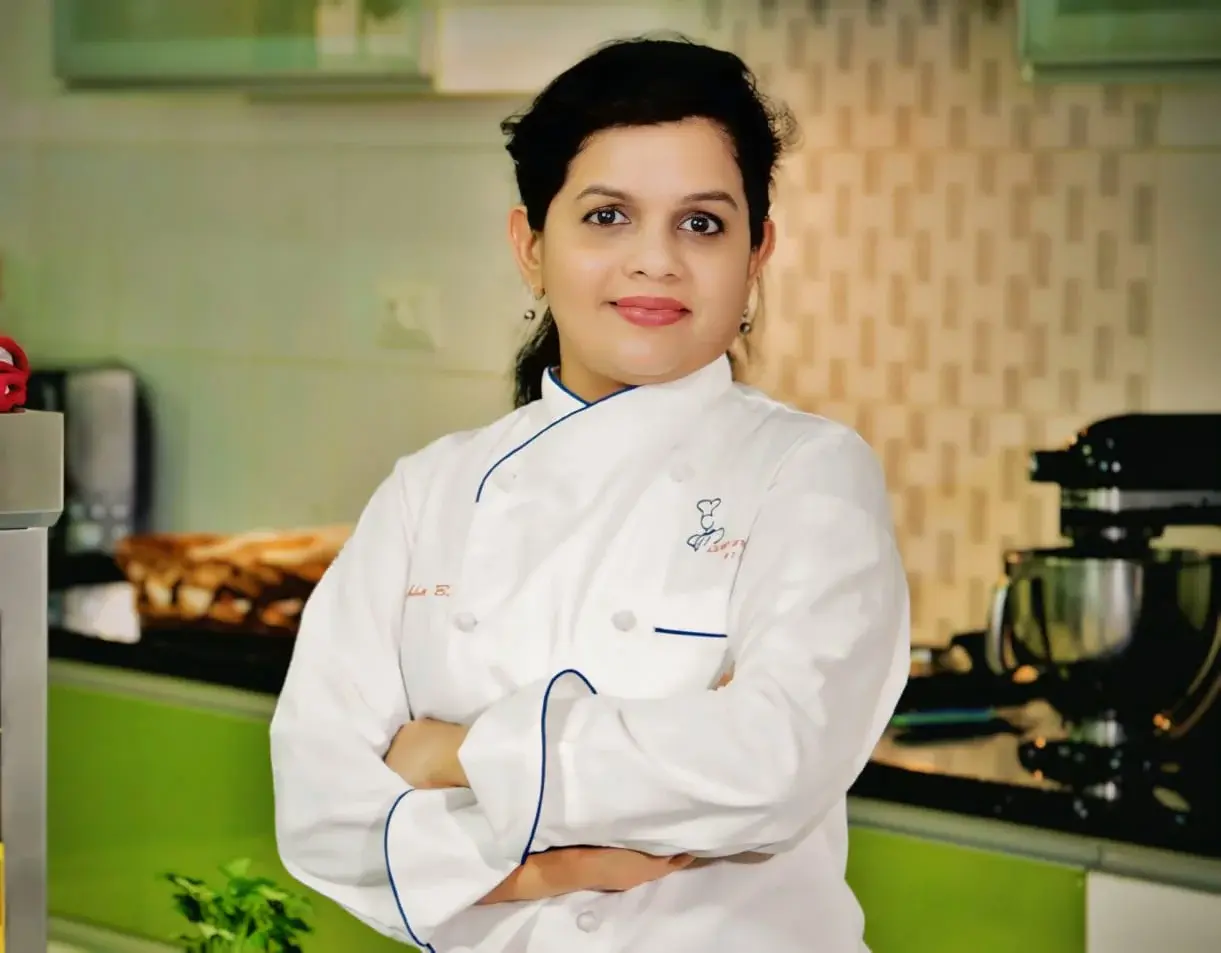
Shobha Bhat

Founder and Pastry Chef
Celesteyum Academy is the culmination of years of passionate baking and Shobha‘s dedication to teaching the best practices in the world of baking. Coming from a family deeply entrenched in the hospitality industry, her journey into the world of baking began a decade ago.