
Wedding Cake Business in Bangalore: Skills You Need to Start & Grow

Building a wedding cake business in Bangalore requires more than being able to decorate an attractive cake. Wedding orders combine baking, structural engineering, design, costing, client communication, food safety, production planning and careful delivery.
Many bakers begin with smaller celebration cakes or home-baking orders before considering larger wedding projects. The transition becomes more demanding because the financial value of the order, number of servings, design complexity and expectations around delivery are usually higher.
A professional wedding cake artist therefore needs two different skill sets: the technical ability to make the cake and the business systems required to manage the order reliably.
This guide focuses on the skills needed to build a wedding cake business, particularly for bakers working in Bangalore. If you are looking specifically for advice on stacking, flavours, preparation and transport, read our separate guide on wedding cake planning and baking tips.
1. Develop Strong Technical Wedding Cake Skills
The first requirement for a wedding cake business is reliable technical execution. A visually attractive cake is not enough if the structure, flavour or finishing cannot be reproduced consistently.
Important technical areas include:
Tiered Cake Structure
Boards, supports, dowels, levelling, weight distribution and stable assembly.
Cake Decoration
Buttercream, fondant, piping, smooth finishes, decorative elements and clean presentation.
Recipe Control
Consistent sponge texture, fillings, frosting, flavour and moisture across repeated orders.
Temperature Awareness
Understanding how fillings, frosting and decorative materials behave during production, storage and delivery.
Bakers who want focused decoration training can explore Cake Decoration Classes in Bangalore and Fondant Cake Decorating Classes.
Those pages own the dedicated cake-decoration training intent; this article focuses on the wider business requirements.

2. Learn to Produce Wedding Cakes Consistently
One of the biggest differences between hobby baking and professional cake production is consistency.
A customer who approves a tasting sample expects the final cake to deliver a comparable flavour, texture and finish. This means recipes and production methods need to become repeatable.
Important production skills include:
- Accurate ingredient weighing
- Standardised recipes
- Recipe scaling
- Batch planning
- Portion control
- Production scheduling
- Quality checks
- Appropriate storage
- Food-safety procedures
- Waste awareness
When the number or size of orders increases, production systems become more important. Our guide on scaling from small batches to larger bakery orders explains this transition in greater detail.
Business principle: professional growth depends less on making one exceptional cake and more on being able to deliver the expected standard repeatedly.
3. Understand Wedding Cake Pricing and Costing
Technical skill does not automatically make a cake business financially sustainable. Bakers also need to understand what it actually costs to produce an order.
Wedding cake pricing can involve:
- Ingredients
- Fillings and frosting
- Decorative materials
- Cake boards and structural supports
- Packaging
- Labour and production time
- Consultation and design time
- Utilities
- Equipment use
- Delivery
- Venue setup where applicable
- Business overheads
Pricing should therefore not be based only on ingredient cost or on what another baker charges.
Why Labour Must Be Included in Cake Costing
A wedding cake can require substantial time for consultation, test production, baking, filling, chilling, decorating, packing, transport and final setup. That time is part of the cost of fulfilling the order.
For additional bakery costing concepts, read our guide on cost control techniques for professional bakeries.
4. Build a Clear Wedding Cake Consultation Process
Client communication becomes particularly important with customised wedding orders because the cake is being designed for a specific event.
A structured consultation can help clarify:
- Wedding date
- Venue
- Guest count
- Required servings
- Preferred flavours
- Design direction
- Colour palette
- Reference images
- Budget expectations
- Allergy or ingredient information where relevant
- Delivery requirements
- Setup requirements
Reference photographs can be useful for understanding style, but bakers should explain what can realistically be reproduced rather than promising an exact copy of another artist's work.
Document Important Decisions
Keep a written record of the agreed cake size, flavours, design elements, delivery location, timing, pricing and any approved changes.
This creates a clear production reference and reduces misunderstandings when multiple decisions have been discussed over several conversations.
5. Understand Food Safety and Business Compliance
A commercial cake business is also a food business, so food-safety requirements should be considered from the beginning.
Depending on the nature and scale of the operation, businesses in India may need the appropriate FSSAI registration or licence and must comply with applicable food-safety requirements.
Bakers should verify the current category and requirements that apply to their own business rather than assuming every operation follows the same registration process.
Important areas can include:
- Personal hygiene
- Clean production surfaces
- Ingredient storage
- Temperature control
- Cross-contamination prevention
- Food-safe packaging
- Traceability of ingredients where required
- Appropriate product information and labelling where applicable
For official information, refer to FSSAI hygiene requirements.
You can also read our detailed guide on food safety and hygiene for professional bakers.
Compliance note: registration, licensing, labelling and local business requirements can differ according to business scale and operating model. Confirm current requirements through the relevant official authorities before launching commercially.
6. Plan Equipment and Workspace Around Production Needs
A wedding cake business does not necessarily need a large commercial bakery immediately, but the workspace needs to support safe and reliable production.
As order complexity increases, bakers may need to review:
Mixing Capacity
Whether available mixers can handle the required batch sizes efficiently.
Oven Capacity
Whether several large cake layers can be baked predictably within the production schedule.
Refrigeration
Enough appropriate cold-storage space for cakes, fillings and finished components that require it.
Finishing Space
A stable, clean area with enough room for levelling, stacking and decorating large cakes.
Storage
Safe organisation of ingredients, boards, boxes, tools and decorative materials.
Transport Equipment
Suitable cake boards, boxes and other equipment required for delivery and setup.
Equipment purchases should be based on real production requirements rather than buying every professional tool immediately.
7. Build a Reliable Wedding Cake Delivery Process
Delivery is part of the product. A wedding cake business is responsible not only for producing the cake but also for planning how it reaches the venue in suitable condition.
Consider:
- Travel distance
- Bangalore traffic and travel time
- Vehicle temperature
- Road conditions
- Whether the cake will travel stacked or in separate tiers
- Venue access
- Parking and unloading
- Setup location
- Time required for assembly
- Tools and repair materials
Delivery charges should also be considered during costing rather than absorbed automatically into every order.
For technical advice on stacking and delivery preparation, read our wedding cake planning, stacking and transport guide.
8. Build a Wedding Cake Portfolio and Clear Market Position
A wedding cake business depends heavily on visual proof because potential customers need to understand the type and quality of work you can produce.
A useful portfolio may include:
- Complete wedding cakes
- Close-up finishing details
- Different tier structures
- Buttercream work
- Fondant work where relevant
- Flowers or decorative elements
- Different visual styles
- Professional venue photographs where available and permitted
Develop a Recognisable Style
You do not need to offer every cake style. A more focused portfolio can make it easier for clients to understand what your business is particularly good at.
Your positioning might gradually centre on areas such as:
- Minimal wedding cakes
- Buttercream cakes
- Fondant cakes
- Floral designs
- Modern tiered cakes
- Luxury finishing
- Eggless wedding cakes
Do not claim a specialisation until the portfolio and production skills support it.
How to Market a Wedding Cake Business in Bangalore
Marketing a wedding cake business requires more than posting occasional photographs on social media.
A broader customer-acquisition approach may include:
- A clear portfolio website or dedicated landing page
- Google Business Profile where appropriate
- Instagram or other visual platforms
- Referral relationships
- Wedding planners
- Photographers and stylists
- Venue relationships where appropriate
- Customer reviews and testimonials
- Search visibility for relevant local services
The strongest marketing assets are still reliable products, professional communication and photographs that accurately represent your own work.
Moving From Home Baker to Wedding Cake Business
A baker does not need to move from occasional orders directly into very large weddings. A more controlled transition can help identify weak points before accepting higher-complexity projects.
| Stage | Main Focus |
|---|---|
| Small Celebration Orders | Recipe consistency, basic costing, customer communication and reliable pickup or delivery. |
| Custom Cakes | Design interpretation, quotation systems, order documentation and more advanced finishing. |
| Small Tiered Cakes | Structure, boards, dowels, stacking and transport. |
| Wedding Orders | Consultation, tasting, complex production schedules, venue delivery and final setup. |
| Growing Cake Business | Capacity planning, systems, equipment, pricing, marketing and order management. |
For broader home-bakery setup information, read How to Start a Home Bakery Business.
9. Know When and How to Scale Your Wedding Cake Business
Growth should not mean accepting more orders than your kitchen, equipment or schedule can handle.
Before increasing order volume, review:
- Maximum weekly production capacity
- Oven and mixer capacity
- Refrigeration space
- Decoration time
- Delivery capacity
- Availability of trained assistance where needed
- Quality-control process
- Profitability of each order type
Taking on more orders while quality falls can damage a wedding cake business more quickly than growing slowly.
Our article on small bakery business logistics provides further context for operational planning.
Wedding Cake Business Skills at a Glance
| Skill Area | What You Need to Manage | Why It Matters |
|---|---|---|
| Technical Baking | Recipes, fillings, frosting and consistency. | Creates a reliable base product. |
| Structure | Boards, dowels, tier assembly and transport stability. | Protects large cakes from structural failure. |
| Decoration | Finishing, colour, styling and presentation. | Shapes the visual value of the final product. |
| Costing | Ingredients, labour, overheads and delivery. | Supports financially sustainable pricing. |
| Client Management | Consultations, approvals and communication. | Reduces misunderstanding and scope changes. |
| Food Safety | Hygiene, storage and applicable compliance. | Supports safe commercial food production. |
| Marketing | Portfolio, positioning, referrals and visibility. | Helps suitable customers discover the business. |
| Operations | Scheduling, equipment, capacity and delivery. | Allows the business to handle orders reliably. |
Frequently Asked Questions About Starting a Wedding Cake Business
What skills are needed to start a wedding cake business?
A wedding cake business requires technical baking, tier construction, decoration, food safety, costing, client communication, order management, production planning, delivery and marketing skills.
Can I start a wedding cake business from home?
A home-based model may be possible depending on your production requirements and applicable food-business, local and other regulatory requirements. Evaluate kitchen capacity, food safety, storage, equipment and current compliance requirements before accepting commercial orders.
How should I price a wedding cake?
Pricing should consider ingredients, decorative materials, structural components, labour, consultation time, overheads, packaging, delivery and setup where applicable. Ingredient cost alone does not represent the full cost of a wedding cake.
Do I need FSSAI registration for a cake business?
Food businesses in India may require the appropriate FSSAI registration or licence depending on their scale and category. Check the current FSSAI requirements that apply to your specific business before selling commercially.
How do I get wedding cake customers in Bangalore?
Customer acquisition can come from a strong portfolio, referrals, online visibility, reviews, social media and relationships within the wedding ecosystem. Consistent work and professional customer communication remain important for generating referrals.
What should a wedding cake consultation include?
A consultation can cover the wedding date, venue, guest count, servings, flavours, design preferences, budget, delivery requirements and other details needed to prepare an accurate quotation and production plan.
Do wedding cake businesses need professional equipment?
The equipment required depends on order volume and cake complexity. As production grows, bakers may need greater mixer, oven, refrigeration, storage and transport capacity.
How do I build a wedding cake portfolio?
Use clear photographs of your own strongest work, including full cakes and important finishing details. A focused portfolio that represents the styles you can reproduce reliably is generally more useful than showing every cake you have ever made.
How can I move from home baking to professional wedding cakes?
Build gradually by improving consistency, costing, client communication and decoration before moving into tiered cakes, larger orders and venue delivery. Avoid accepting projects that exceed your current production or structural experience.
Do I need professional training to start a wedding cake business?
Professional training is not the only way to develop wedding cake skills, but structured hands-on training can help learners practise construction, finishing, production and business-related skills in a guided environment. The appropriate training depends on your current ability and goals.
Want to Develop the Skills Behind a Professional Wedding Cake Business?
If you want to strengthen both the technical and business sides of professional baking, choose training based on the specific gap you need to address.
Wedding Cake Masterclass
For bakers who want focused practical development in wedding cake construction, finishing and related cake techniques.
Explore Wedding Cake MasterclassBaking Entrepreneurship Training
For learners who want to develop the commercial side of baking, including business planning and bakery entrepreneurship skills.
Explore Baking Entrepreneurship CourseNot sure which training direction fits your current stage? Contact Celesteyum Academy in Whitefield, Bangalore for current programme information.
UPCOMING CLASSES
- Artisan Chocolates Class in Bangalore
October 7, 2026 - Cakes and Pastries Class in Bangalore
October 10, 2026 - Artisan Breads Workshop in Bangalore
October 12, 2026 - Cookies and Brownies Class in Bangalore
October 17, 2026 - Breakfast Pastries Course in Bangalore
October 24, 2026 - Bread Fundamentals Class in Bangalore
November 14, 2026 - Cakes and Pastries Class in Bangalore
November 21, 2026 - Breakfast Pastries Course in Bangalore
November 28, 2026
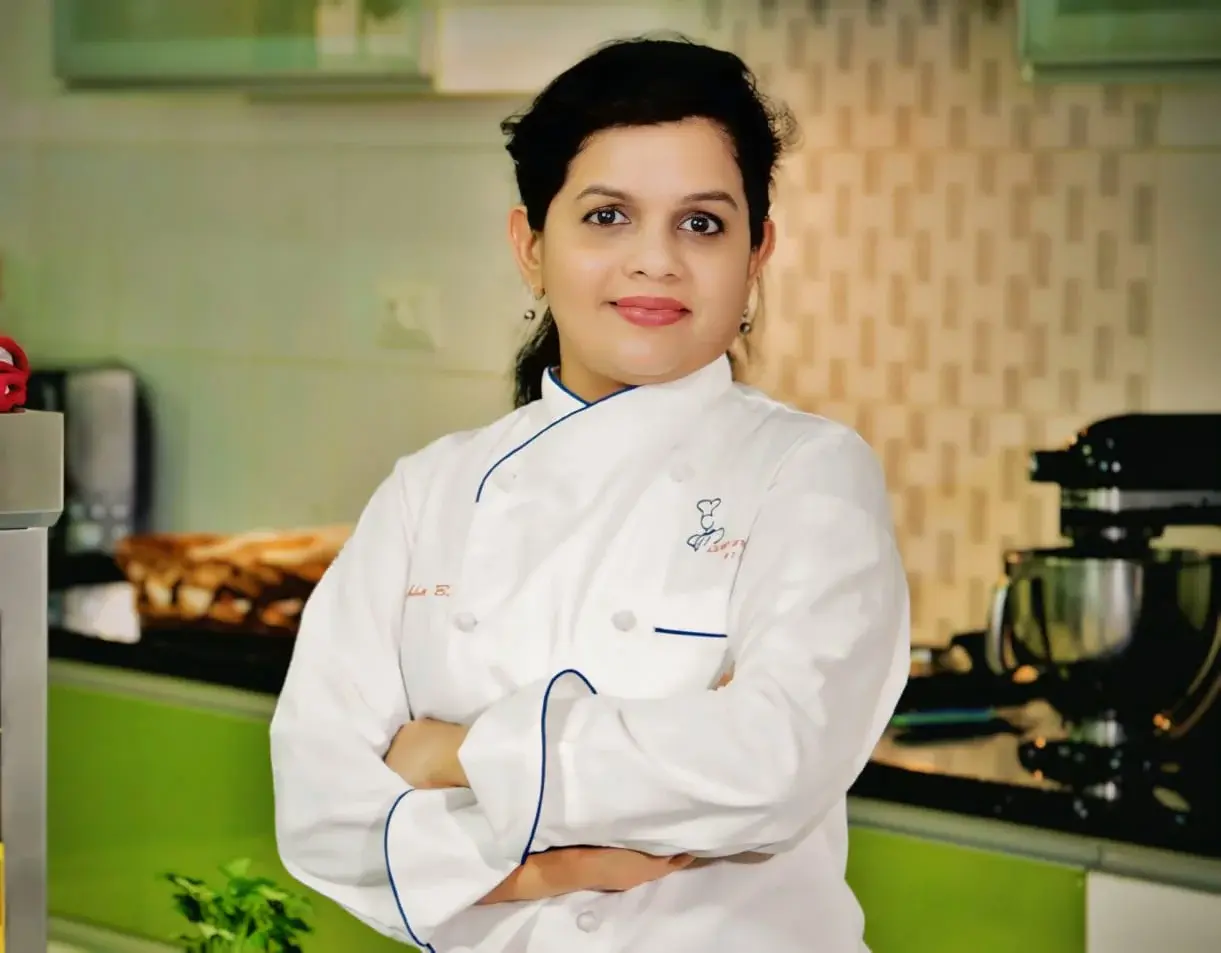
Shobha Bhat

Founder and Pastry Chef
Celesteyum Academy is the culmination of years of passionate baking and Shobha‘s dedication to teaching the best practices in the world of baking. Coming from a family deeply entrenched in the hospitality industry, her journey into the world of baking began a decade ago.