How to Start a Home Bakery Business in 2026
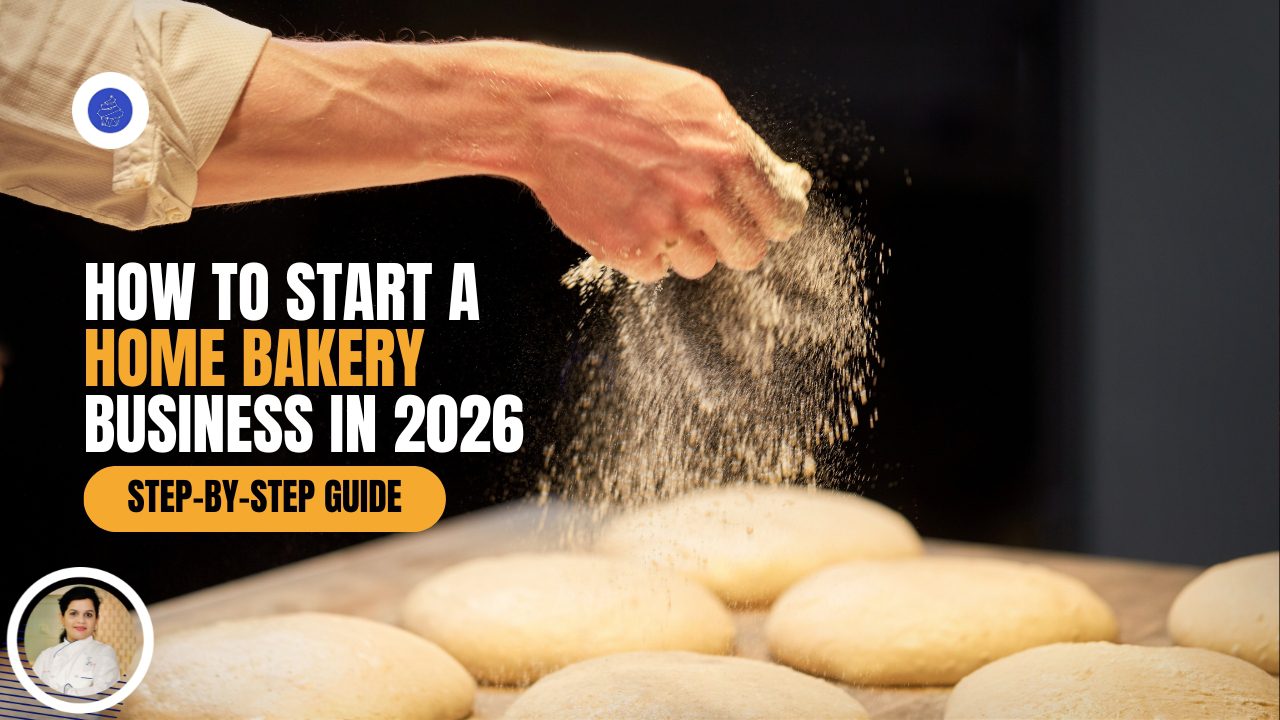
Starting a home bakery involves more than learning good recipes. You need a focused product range, a food-safe workspace, realistic costing and pricing, suitable packaging, repeatable production methods and a system for handling orders without compromising quality.
If you want to understand how to start a home bakery business, the most practical approach is to build the business in stages: decide what you will sell, understand the requirements that apply to your food business, standardise your products, calculate their real costs, organise production and increase order volume only when your existing setup can handle it.
This guide explains those steps from a practical bakery-business perspective.
Step 1: Decide What Your Home Bakery Will Sell
Start with a focused product range rather than trying to sell every type of baked product. A smaller menu makes purchasing, costing, production planning and quality control easier during the early stages of the business.
Common home bakery product categories:
- Celebration and customised cakes
- Cookies, brownies and tea-time bakes
- Breads and savoury bakery products
- Dessert boxes
- Pastries
- Festive and seasonal products
- Gift boxes and corporate orders
Your choice should consider more than what you enjoy baking. Think about production time, shelf life, storage, delivery, packaging, ingredient availability and whether you can reproduce the product consistently when several customers order it at the same time.
If you are deciding between small-batch products and higher-volume production, our guide to artisan vs commercial baking explains some of the operational differences.
Step 2: Understand Food Safety and Business Requirements
A home bakery is a food business, so food safety should be planned from the beginning rather than added after orders start arriving.
Your setup should consider:
- A clean and organised preparation area
- Safe storage of dry and perishable ingredients
- Cleaning and sanitation procedures
- Personal hygiene during preparation
- Temperature requirements for suitable products
- Food-safe packaging
- Storage of finished products before collection or delivery
For bakery-specific guidance, see our article on food safety and hygiene for bakers .
Before selling commercially, check the current registration or licensing requirements applicable to your business through the official FSSAI food business registration guidance and the FoSCoS registration and licensing portal .
Step 3: Plan Your Home Bakery Workspace and Equipment
You do not need to purchase every piece of professional bakery equipment before accepting your first order. Equipment should match your products, order volume and production constraints.
- Oven capacity
- Mixing capacity
- Refrigeration and ingredient storage
- Digital weighing equipment
- Baking trays, tins and moulds
- Cooling space
- Preparation and finishing surfaces
- Packaging and dispatch space
A common mistake is buying equipment because larger bakeries use it rather than because it solves a current production problem. Understand your actual bottleneck before investing.
See our guide to essential baking tools and equipment for a broader look at bakery equipment.
Step 4: Standardise Recipes Before You Scale Orders
A recipe that works once is not yet a commercial production system. Before increasing orders, you should be able to reproduce the same product with similar weight, appearance, texture and yield.
For each important product, document:
- Ingredient quantities by weight
- Expected batch yield
- Portion size or finished weight
- Preparation and baking time
- Cooling and finishing requirements
- Packaging requirements
- Storage instructions appropriate to the product
Standardisation also makes costing more accurate. If one batch sometimes produces 10 portions and sometimes 14, your cost per unit will be difficult to calculate reliably.
Professional Baking Training
Need Stronger Practical Baking Skills First?
Celesteyum’s 6-Week Professional Baking Diploma in Whitefield, Bangalore provides structured classroom and hands-on training for learners who want to build a stronger professional baking and pastry foundation.
Explore the 6-Week Baking DiplomaStep 5: Create a Simple Home Bakery Business Plan
A home bakery business plan does not need to begin as a long formal document. It should first help you understand how the business will work in practical terms.
- Your core product range
- Your intended customer
- Expected product costs
- Planned selling prices
- Maximum weekly order capacity
- Packaging requirements
- Order and payment process
- Delivery or pickup arrangements
- Primary customer-acquisition channels
Your plan should also identify the constraints that could prevent you from accepting more orders. These might be oven space, refrigeration, decoration time, delivery capacity or simply the number of hours available each week.
If you eventually need a production-led setup outside the home, our comparison of a cloud kitchen and a physical bakery provides another operating model to consider.
Step 6: Calculate the Real Cost of Every Product
Ingredient cost is only one part of the real cost of selling a bakery product.
- Ingredients
- Packaging
- Decorations and finishing materials
- Electricity or gas
- Delivery expenses
- Payment charges
- Wastage
- Production time
- Business overheads
If a cake uses ₹500 worth of ingredients, that does not mean ₹500 is the complete cost of producing and selling it. The box, cake board, decorations, electricity, delivery and production time may materially change the economics of the order.
For a broader breakdown, see our guide to the cost of starting a baking business .
Step 7: Price Products Using Your Own Costs
Competitor prices can provide market context, but they should not be your only pricing method. Another baker may have different ingredient suppliers, equipment, portion sizes, overheads or production volumes.
Begin with your actual cost per product and then determine whether the intended selling price provides enough room for the business to operate sustainably.
As operations become more structured, our article on cost control techniques for professional bakeries explains additional areas to monitor.
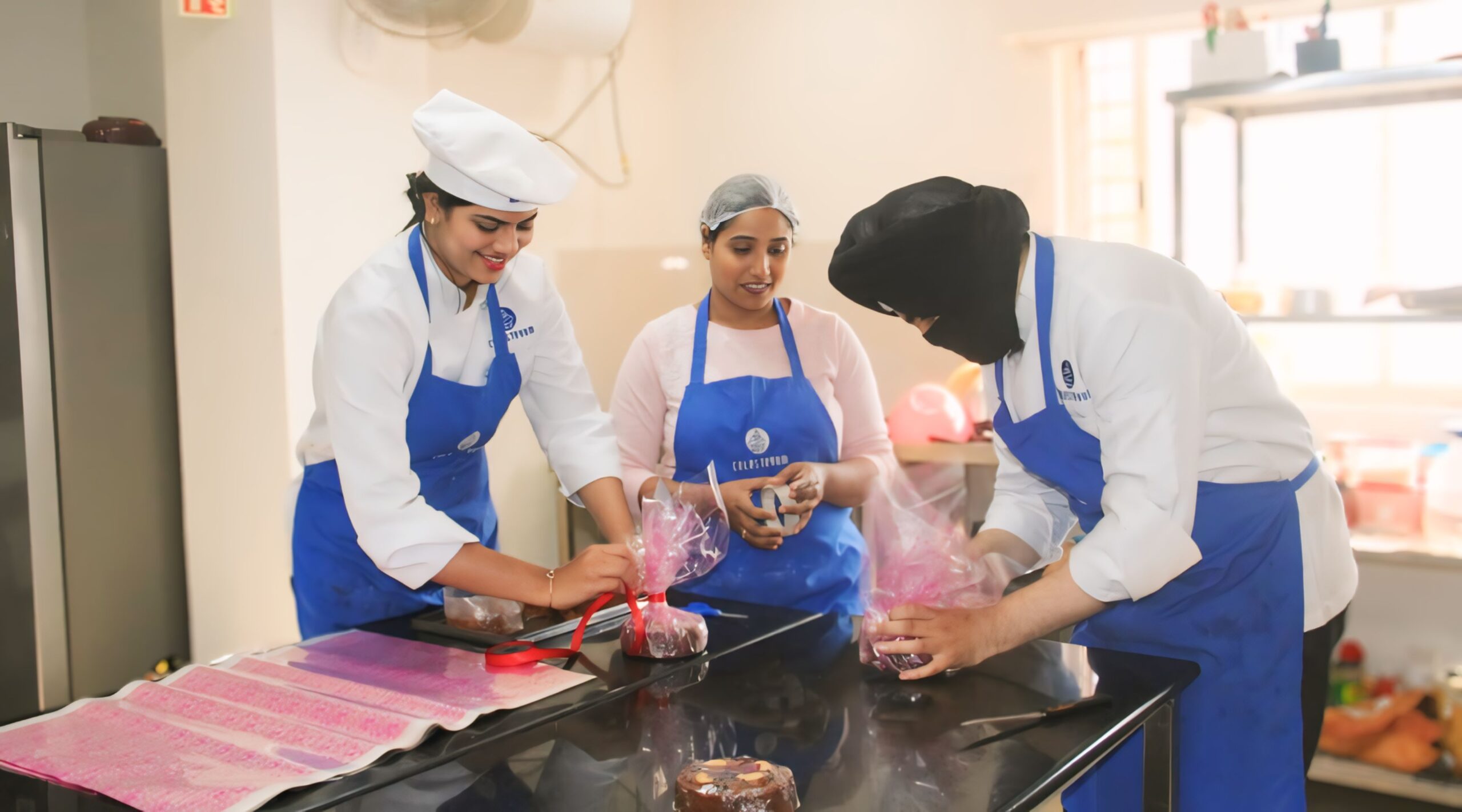
Step 8: Choose Packaging Before Regular Orders Begin
Packaging protects the product, but it also affects cost, storage, transportation and the customer's experience when the order arrives.
Different products need different packaging. Cookies may work in pouches or compact boxes, while celebration cakes require suitable boards and stronger boxes. Brownies, pastries and gift assortments may need separators or inserts depending on how they are transported.
See our guide to bakery packaging ideas for small baking businesses for product-specific packaging considerations.
Step 9: Build a Repeatable Production Workflow
A few orders can often be managed informally. As volume increases, relying on memory becomes risky.
- Confirm orders and payment status
- Create a production list
- Check ingredient inventory
- Plan preparation and baking sequences
- Schedule cooling and finishing
- Package and label finished products
- Organise collection or delivery
Step 10: Know Your Real Production Capacity
The number of orders you can accept is determined by your entire workflow, not only oven capacity.
Your real bottleneck could be:
- Mixing capacity
- Oven space
- Cooling space
- Refrigeration
- Decoration time
- Packaging
- Delivery
When you begin moving from small batches to larger orders, see our guide to scaling bakery production from small batches to bulk orders .
Step 11: Manage Ingredients, Inventory and Wastage
As the business grows, purchasing too little creates emergency buying while purchasing too much can increase wastage and tie up money in unused stock.
- Typical weekly usage
- Supplier lead times
- Storage requirements
- Pack sizes
- Purchase price changes
- Wastage
- Ingredients shared across several products
Step 12: Organise Orders, Pickup and Delivery
Order management becomes part of production management as volume increases.
- Customer name and contact details
- Product and quantity
- Customisation instructions
- Required date and time
- Payment status
- Pickup or delivery method
- Relevant storage or handling information
Our guide to logistics planning for small bakeries and businesses covers this part of bakery operations in more detail.
Step 13: Build Visibility at the Same Pace as Production Capacity
Home bakeries often begin with referrals, repeat customers and social platforms. Product photography, clear ordering information and consistent presentation can help potential customers understand what you sell.
- Clear photographs of your actual products
- Accurate product descriptions
- Transparent ordering instructions
- Realistic lead times
- Consistent communication
- Reliable fulfilment
Step 14: Review What Is Actually Working Before Scaling
Ask:
- Which products are ordered repeatedly?
- Which products generate excessive wastage?
- Which products consume too much production time?
- Which orders are difficult to transport?
- Where do delays occur?
- Which ingredients or packaging materials frequently run out?
- How many orders can you handle without compromising quality?
What Should You Learn Before Opening a Bakery Business?
Before operating a bakery commercially, you should be able to produce your core products consistently and understand the basic business processes surrounding them.
- Consistent baking techniques
- Recipe standardisation
- Product costing
- Pricing
- Menu planning
- Food safety and hygiene
- Production scheduling
- Ingredient management
- Packaging
- Order fulfilment
How Structured Training Can Support Bakery Entrepreneurs
Self-learning can help you begin baking, but commercial production introduces additional demands: consistent output, costing, menu decisions, production planning, workflow and repeatable processes.
Celesteyum Academy’s 4-Week Entrepreneur Baking Course in Bangalore is an in-person programme in Whitefield combining hands-on baking with costing, budgeting, menu development, production planning and bakery-business fundamentals.
Frequently Asked Questions
Can I start a bakery business from home?
A home-based setup can be practical at small scale when your workspace, food-safety practices, production capacity and applicable business requirements support commercial food production.
Do home bakers need FSSAI registration or a licence?
Food businesses should check the current FSSAI registration or licensing category that applies to their activity and scale through official FSSAI and FoSCoS resources.
How should I price products for a home bakery?
Calculate the real cost of producing and fulfilling the product, including ingredients, packaging, wastage, production inputs and relevant overheads. Competitor pricing should provide context rather than replace your own costing.
How many products should a new home bakery sell?
There is no fixed number. A focused range that can be produced consistently is generally easier to cost, stock and manage than a large menu with many different ingredients and processes.
Should I learn professional baking before starting a bakery?
It depends on your current skill level. If your products are already consistent, business, costing and workflow training may be the next need. If baking techniques are still inconsistent, stronger practical foundations may be more useful first.
Build the System Before You Increase the Orders
A sustainable home bakery is built from repeatable systems rather than order volume alone. A focused menu, standardised recipes, accurate costing, realistic pricing, organised production and reliable fulfilment create a stronger foundation for growth.
Start with the capacity you already have, document what works, identify where mistakes or delays occur, and invest in the areas that are actually limiting the business.
Ready to Build a Bakery Business?
Explore the 4-Week Entrepreneur Baking Course
Celesteyum’s 4-Week Entrepreneur Baking Course combines hands-on baking with costing, menu planning, production workflow and bakery-business fundamentals.
Format: In-person, hands-on
Location: Whitefield, Bangalore
Duration: 4 weeks
UPCOMING CLASSES
- Artisan Breads Workshop in Bangalore
October 12, 2026 - Cookies and Brownies Class in Bangalore
October 17, 2026 - Breakfast Pastries Course in Bangalore
October 24, 2026 - Bakers Foundation Program in Bangalore
October 26, 2026 - Bread Fundamentals Class in Bangalore
November 2, 2026 - Breakfast Pastries Course in Bangalore
November 5, 2026 - Bakers Foundation Program in Bangalore
November 9, 2026 - Bread Fundamentals Class in Bangalore
November 14, 2026 - Sour Dough Breads Class in Bangalore
November 14, 2026


Shobha Bhat

Founder and Pastry Chef
Celesteyum Academy is the culmination of years of passionate baking and Shobha‘s dedication to teaching the best practices in the world of baking. Coming from a family deeply entrenched in the hospitality industry, her journey into the world of baking began a decade ago.