Baking Courses After 12th: Diploma, Skills & Career Paths
Students who enjoy baking often begin asking an important question after school: can I study baking professionally after Class 12?
The answer depends on the type of programme you choose. Baking education can range from short practical workshops to structured professional baking courses, specialist programmes and baking or patisserie diplomas.
For students who already know they are interested in bread, pastry, cakes, chocolate or bakery production, a focused programme can provide a different learning path from a broader culinary or hospitality degree.
This guide explains the main baking courses after 12th, what students should compare before enrolling, the skills professional baking programmes can develop and how different training paths may support future bakery and pastry careers.
Can You Study Baking After Class 12?
Yes, students can explore baking and pastry education after completing school, although admission requirements differ between institutions and programmes.
The important first step is deciding whether your goal is:
- Exploring baking as an interest
- Developing one specific technique
- Building broad professional baking skills
- Preparing for bakery or pastry employment
- Moving towards bakery entrepreneurship
- Pursuing broader culinary or hospitality education
A student interested only in learning sourdough, cakes or chocolate may not need the same programme as someone planning a professional bakery or pastry career.
Before applying: always check the current eligibility, age requirements, curriculum, qualification awarded and admission criteria of the specific programme. These can differ between training providers.
Types of Baking Courses Students Can Consider After 12th
Not all baking courses have the same purpose. The correct option depends on how deeply you want to study and what you want to do after training.
Beginner Workshops
Useful for exploring one topic or deciding whether you enjoy practical baking before committing to longer training.
Specialist Baking Courses
May concentrate on areas such as bread, pastry, chocolate, cake decoration, macarons or other defined techniques.
Professional Baking Programmes
Usually combine several bakery and pastry categories with more structured practical training.
Baking or Patisserie Diploma
A more focused professional qualification pathway designed around a defined bakery, pastry or confectionery curriculum.
Students who are still comparing programme types can also read how to choose the right baking course for your career goal.
Short Baking Course vs Professional Diploma After 12th
A short course and a professional diploma can both be useful, but they solve different learning needs.
| Factor | Short / Specialist Course | Professional Baking Diploma |
|---|---|---|
| Main Purpose | Learn or improve a defined skill or product category. | Build a broader professional baking and pastry foundation. |
| Subject Range | Usually concentrated on fewer topics. | Generally covers multiple bakery or pastry areas according to the programme. |
| Learning Depth | Depends on the individual workshop or module. | Usually structured across a larger curriculum. |
| Best For | Exploration, hobby development or specialist upskilling. | Learners seeking more comprehensive professional training. |
| Qualification | Depends on the programme and provider. | Programme-specific diploma or professional qualification. |
A short programme is not automatically inferior to a diploma. If the student needs one specific skill, focused training may be more appropriate. If the objective is broader professional development, a structured diploma may provide greater subject coverage.
Students comparing broader education routes should also read Baking Diploma vs Degree: Which Path Is Right for Your Career?.
What Is a Baking Diploma After 12th?
A baking diploma after 12th can provide structured training for students who want to develop practical skills across bakery, pastry, patisserie or confectionery.
Depending on the programme, the curriculum may include areas such as:
- Bread and dough preparation
- Fermentation
- Pastry dough
- Cakes and sponges
- Chocolate and confectionery
- Viennoiserie and laminated dough
- Desserts
- Cake finishing
- Food safety and hygiene
- Production workflow
Search terms such as baking diploma, bakery and patisserie diploma, pastry diploma and diploma course in baking can refer to programmes with very different curricula. Students should therefore compare what is actually taught instead of choosing based on the course title alone.
For a detailed look at practical competencies, see our guide to the professional baking skills developed through diploma training.
What Skills Can Professional Baking Courses Develop?
Professional baking requires more than being able to follow a recipe. Students need to understand both production technique and professional kitchen discipline.
Technical Baking Skills
Weighing, mixing, baking, fermentation, pastry preparation and product finishing.
Ingredient Understanding
Learning how flour, fat, sugar, eggs, yeast and other ingredients affect structure and texture.
Production Consistency
Learning to reproduce products reliably rather than depending on one successful batch.
Kitchen Organisation
Mise en place, sequencing tasks, cleaning, time management and professional workflow.
Food Safety
Safe ingredient handling, hygiene and appropriate storage practices.
Troubleshooting
Understanding why bread, pastry, cakes or other products fail and how process changes affect results.
For official guidance on hygienic food handling, students can refer to the Food Safety and Standards Authority of India hygiene requirements.
What Career Paths Can Baking Students Explore?
Completing a baking course does not guarantee employment, but structured training can help students build the technical foundation required for different bakery and pastry environments.
Possible areas of work can include:
- Bakery production
- Pastry kitchens
- Hotels
- Cafés
- Artisan bakeries
- Cake and dessert studios
- Chocolate and confectionery
- Production kitchens
- Independent baking businesses
Actual entry-level opportunities depend on practical ability, employer requirements, location and experience.
For a broader career roadmap, read How to Become a Professional Baker in Bangalore.
Students who want to understand progression after diploma training can also read our Baking Career Path After a Diploma.
How to Choose a Baking Course After 12th
Choosing the right programme is more important than simply choosing the longest or shortest option.
Compare the following:
| What to Check | Why It Matters |
|---|---|
| Curriculum | Shows whether the programme covers the skills you actually want to develop. |
| Hands-On Training | Practical baking requires repeated production, not theory alone. |
| Course Level | A beginner workshop and a professional diploma should not be evaluated as equivalent programmes. |
| Qualification Awarded | Students should understand exactly what certificate, diploma or qualification they receive. |
| Faculty & Guidance | Instructor feedback can help students identify technical mistakes during practical work. |
| Facilities | Equipment and workspace should support the practical curriculum. |
| Duration | Duration should be evaluated together with curriculum depth rather than in isolation. |
| Fees | Compare what is included rather than considering headline cost alone. |
| Career Goal | The programme should fit whether you want employment, specialisation, entrepreneurship or further study. |
Do not choose only by keywords such as “best baking diploma” or “best baking institute”. Compare the actual programme structure, practical exposure and suitability for your career goal.
What About Baking Courses After Class 10?
Students may also become interested in baking after Class 10. At this stage, however, education decisions should be made carefully because programme eligibility and future academic requirements can vary significantly.
Introductory workshops can help students explore whether they genuinely enjoy practical baking, but students and parents should verify:
- Minimum age
- Education requirements
- Programme eligibility
- Safety and supervision
- Course level
- Future academic plans
This page does not assume that every professional diploma is open immediately after Class 10. Always confirm the current eligibility requirements of the specific programme before applying.
Baking Courses After 12th in Bangalore: What Should You Look For?
Students searching for a baking course in Bangalore after 12th will find programmes ranging from individual workshops to professional baking and patisserie training.
Rather than choosing only on location, compare:
- How much of the programme is practical
- Which product categories are covered
- Whether equipment is used during training
- Whether students practise production repeatedly
- The qualification awarded
- Current eligibility
- Course schedule
- Fees and inclusions
A programme focused specifically on bakery and patisserie will also be different from a broader hospitality programme that contains only some bakery modules.
Baking Certificate, Diploma and Professional Qualification: Know the Difference
Students searching for courses often see terms such as baking certificate, diploma, professional programme and course-completion certificate. These terms should not automatically be treated as equivalent.
| Term | What Students Should Verify |
|---|---|
| Certificate Course | Programme duration, curriculum, awarding body and what the certificate represents. |
| Diploma | Training depth, qualification structure, practical curriculum and awarding organisation. |
| Course Completion Certificate | Whether it confirms participation/completion or represents a separate professional qualification. |
| Professional Programme | The actual skills, curriculum and qualification rather than the marketing label alone. |
This section is intentionally limited because students specifically comparing a bakery certificate course vs baking diploma have a different decision intent that should be evaluated separately.
Professional Baking & Patisserie Pathways at Celesteyum Academy
Students who have already decided that they want structured professional baking and patisserie training can compare Celesteyum Academy's current diploma pathways in Whitefield, Bangalore.
Advanced Diploma in Professional Patisserie & Confectionery
A broader structured pathway for learners seeking practical training across baking, patisserie and confectionery.
Short-Term Diploma in Professional Patisserie & Confectionery
A shorter structured pathway for learners seeking focused professional baking and patisserie development.
Check the individual programme pages for current eligibility, curriculum, duration, fees, certification and admission information before applying.
Frequently Asked Questions About Baking Courses After 12th
Can I study baking after Class 12?
Yes, students can explore baking and pastry programmes after school, but eligibility depends on the institution and course. Always check the current admission requirements of the programme you are considering.
Which baking course is best after 12th?
There is no single best programme for every student. A short course may suit someone exploring one skill, while a professional baking diploma may suit a learner seeking broader practical training. Compare curriculum, practical exposure, qualification and career goals.
Can I do a baking diploma after 12th?
Many students consider diploma-level baking and pastry training after school, but eligibility differs between programmes. Verify the education and age requirements directly with the training provider before applying.
What do you learn in a professional baking course?
Depending on the curriculum, training can include bread, fermentation, pastry, cakes, chocolate, confectionery, desserts, food safety, production workflow and professional finishing.
What is the difference between a short baking course and a diploma?
A short course usually concentrates on fewer techniques or product categories, while a diploma generally provides a broader structured curriculum. The exact difference depends on the programmes being compared.
Is a baking diploma the same as a degree?
No. A baking diploma and an academic degree are different qualification pathways. A diploma is usually more specialised, while a degree generally covers a broader academic curriculum.
Can baking become a career after Class 12?
Baking can develop into a professional career through training, practical experience and continued skill development. Possible environments include bakeries, pastry kitchens, cafés, hotels, production kitchens and independent businesses.
What qualification do I need to become a baker?
There is no single qualification required for every baking role. Employers may consider practical skills, relevant training, experience, consistency and professional kitchen ability. Requirements vary between jobs.
Can I study baking after Class 10?
Students can explore baking at this stage, but professional programme eligibility varies. Check age, education requirements and future academic plans before choosing a course.
How do I choose a baking course in Bangalore after 12th?
Compare curriculum, practical training, faculty, facilities, qualification awarded, eligibility, duration, fees and how well the programme matches your intended career or learning goal.
Thinking About Professional Baking After Class 12?
If baking is more than a casual interest for you, compare professional programmes based on the skills taught, practical exposure and qualification rather than choosing only by course length or title.
Advanced Diploma
Explore the broader professional pathway for practical training across baking, patisserie and confectionery.
View Advanced DiplomaShort-Term Diploma
Compare the shorter structured professional pathway for focused baking and patisserie training.
View Short-Term DiplomaFor current programme dates and admission information, check the course schedule or contact Celesteyum Academy.
UPCOMING CLASSES
- Breakfast Pastries Course in Bangalore
September 15, 2026 - Cakes and Pastries Class in Bangalore
September 19, 2026 - Bread Fundamentals Class in Bangalore
September 21, 2026 - Sour Dough Breads Class in Bangalore
September 24, 2026 - Cookies and Brownies Class in Bangalore
September 26, 2026 - Pastry Special Class in Bangalore
September 28, 2026 - Bread Fundamentals Class in Bangalore
October 3, 2026 - Diploma in Professional Patisserie and Confectionery
October 5, 2026

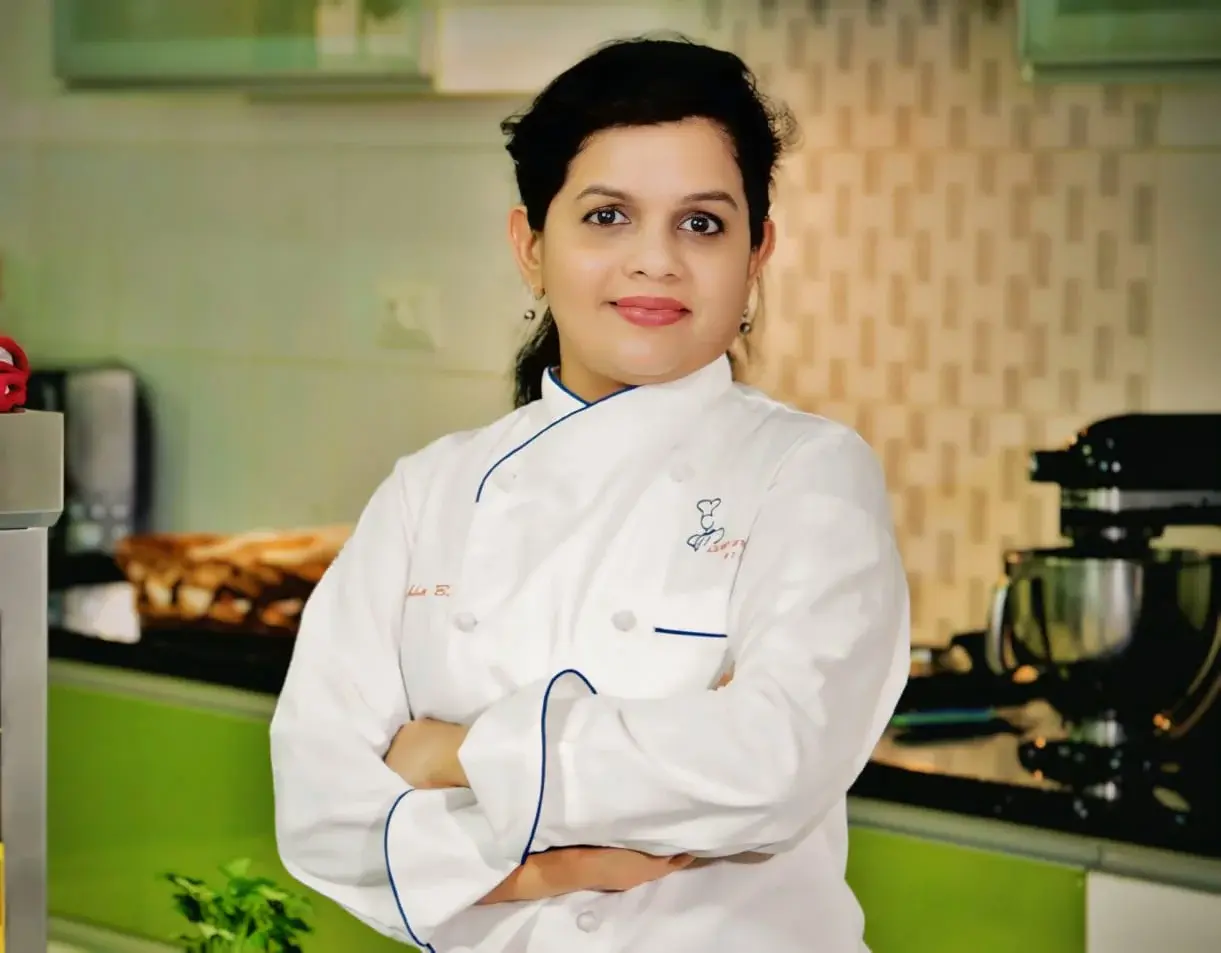
Shobha Bhat

Founder and Pastry Chef
Celesteyum Academy is the culmination of years of passionate baking and Shobha‘s dedication to teaching the best practices in the world of baking. Coming from a family deeply entrenched in the hospitality industry, her journey into the world of baking began a decade ago.