How to Choose the Right Baking Course for Your Career Goal

Choosing the right baking course is easier when you begin with the outcome you want rather than simply comparing course names. Someone who wants to learn sourdough for personal interest needs a very different training pathway from a learner preparing for a professional pastry career or planning to open a bakery.
The range of baking and pastry courses available today includes short workshops, specialist classes, weekend programmes, professional baking courses and structured diplomas. Each format serves a different purpose, so course duration alone does not tell you whether a programme is right for you.
If you are comparing baking courses in Bangalore, look at the amount of hands-on practice, subjects covered, instructor guidance, facilities, course format and how closely the training supports your intended career. This guide explains how to compare those factors before enrolling.
Start With Your Baking Goal Before Choosing a Course
The best baking course for one learner may be unsuitable for another. Before comparing institutes, course durations or certificates, decide what you actually want to be able to do after completing the training.
Learn Baking as a Hobby
A focused workshop or short class may be enough if you want to learn a product, enjoy baking at home or explore the subject before making a larger commitment.
Improve One Specific Skill
Choose specialist training if your goal is to improve breads, sourdough, cakes, chocolate, macarons, pastry or another particular category.
Become a Professional Baker
Look for broader professional training that develops production skills, consistency, food safety, organisation and experience across several bakery categories.
Build a Pastry Chef Career
Professional patisserie training should include repeated practical work across pastry techniques, desserts, confectionery, finishing and kitchen production.
Start a Home Bakery
Technical baking skills should be combined with costing, pricing, production planning, packaging, food safety and customer management.
Change Careers
A structured professional course may be more suitable when you need a broad technical foundation before entering bakery or pastry work.
Defining the goal first prevents you from choosing a programme simply because it is described as a professional baking course or because its duration appears longer than another option.
What Types of Baking Courses Are Available?
Baking training can range from a single-day workshop to a structured professional diploma. Understanding the differences helps you choose the amount and depth of training you actually need.
Short Baking Workshops
A workshop usually concentrates on one product or a small group of related techniques. It can be useful for beginners, hobby bakers or people who want to explore a particular category before enrolling in a longer programme.
If you are searching for a baking workshop in Bangalore or weekend classes, check the Celesteyum baking class schedule for current workshops and upcoming sessions.
Specialist Baking Courses
Specialist courses are useful when you already know which skill you want to develop. Rather than covering every baking category, they provide more focused practice in one area.
- Bread Baking Fundamentals
- Sourdough Bread
- Cake Decoration Classes
- Chocolate Making Courses
- Classic French Pastries
- Macaron Training
Weekend and Short-Format Programmes
Weekend training can suit working learners or people who cannot attend a longer weekday programme. A weekend course is not automatically less valuable, but the depth of training depends on the number of practical hours and how focused the curriculum is.
When comparing weekend baking classes in Bangalore, check what you will actually practise rather than judging the programme only by the number of days.
Professional Baking Courses
A career-focused professional baking course usually covers more than individual recipes. Learners should develop production habits, ingredient understanding, hygiene, consistency, troubleshooting, organisation and experience across multiple bakery or pastry categories.
Professional Baking Diplomas
A diploma generally provides a more structured learning pathway for people preparing for professional bakery or pastry careers. The curriculum may span breads, pastry, cakes, chocolate, confectionery, kitchen operations and production planning depending on the programme.
Course Selection Tip: A longer programme is not automatically better. Compare the curriculum, hands-on hours and relevance to your goal before comparing duration.
Baking Workshop vs Specialist Course vs Professional Course vs Diploma
The following comparison can help you understand how different training formats serve different learning objectives.
| Training Type | Best For | Typical Focus | Depth |
|---|---|---|---|
| Short Workshop | Beginners and hobby learners | One product or technique | Introductory |
| Specialist Course | Learners improving one category | Bread, sourdough, cake, chocolate, pastry or similar specialist skills | Focused |
| Weekend Programme | Working learners and people with limited weekday availability | Compact practical training | Depends on practical hours and syllabus |
| Professional Baking Course | Career-focused learners | Multiple techniques, kitchen practices and production skills | Broader |
| Professional Diploma | Learners preparing for bakery or pastry careers | Structured training across multiple bakery, pastry and confectionery areas | Comprehensive |
This distinction is especially useful when comparing a baking workshop with a professional baking course. A workshop can help you understand or improve one technique, while career-focused programmes need to develop broader production skills and professional working habits.
Career Opportunities After Professional Baking Training
Professional baking training can support several career directions, but completing a course does not guarantee a particular job. Career progression depends on practical ability, consistency, experience and the requirements of individual employers.
Possible directions include:
- Professional baker
- Bakery production assistant
- Pastry chef or pastry production role
- Artisan bread baker
- Cake artist or decorator
- Chocolate and confectionery professional
- Home bakery entrepreneur
- Bakery or dessert business owner
Learners considering a professional career can also read our guides on how to become a professional baker in Bangalore and career opportunities after a Diploma in Professional Patisserie.
What Should You Check Before Joining a Baking Institute?
If you are comparing a baking institute, baking academy or professional training programme, do not evaluate it only by its course title, advertising or duration.
Look at the training itself.
Hands-On Practice
Find out how much of the programme involves learners producing the products themselves rather than only watching demonstrations.
Curriculum
Check whether the syllabus matches your goal and whether it progresses logically from fundamentals towards more advanced techniques.
Instructor Guidance
Practical feedback is important because baking mistakes often involve temperature, timing, texture, ingredient handling or technique.
Facilities and Equipment
Career-focused learners should gain experience working with appropriate bakery tools, equipment and organised production spaces.
Food Safety
Professional training should include hygiene, storage and safe food-handling practices rather than treating them as separate from production.
Career Relevance
The subjects and level of training should connect logically with the role or business direction you want to pursue after the course.
When searching for a bakery training institute in Bangalore, also compare practical hours, batch format, course schedule, location and how easily you can attend consistently throughout the programme.
For official guidance on hygiene requirements in Indian food businesses, learners can refer to the FSSAI hygiene requirements.
How to Choose a Baking Course in Bangalore
When comparing baking courses in Bangalore, local factors matter as much as curriculum. A programme may look suitable on paper but become difficult to complete if the location, schedule or travel requirement does not fit your routine.
If you are searching for baking and pastry courses near me, consider:
- Travel time to the academy
- Class days and timings
- Programme duration
- Number of practical sessions
- Availability of specialist or diploma pathways
- Subjects included in the curriculum
- Instructor access during practical work
- Facilities and equipment
- Current fees and what they include
Celesteyum Academy is located in Whitefield, Bangalore and offers specialist classes, professional baking programmes and diploma training. Learners can compare these options according to their career goal rather than treating every bakery course in Bangalore as interchangeable.
The same principle applies when choosing a baking academy in Bangalore: location can make attendance easier, but curriculum quality and practical training should remain the main decision factors.
Celesteyum Baking Courses Based on Different Career Goals
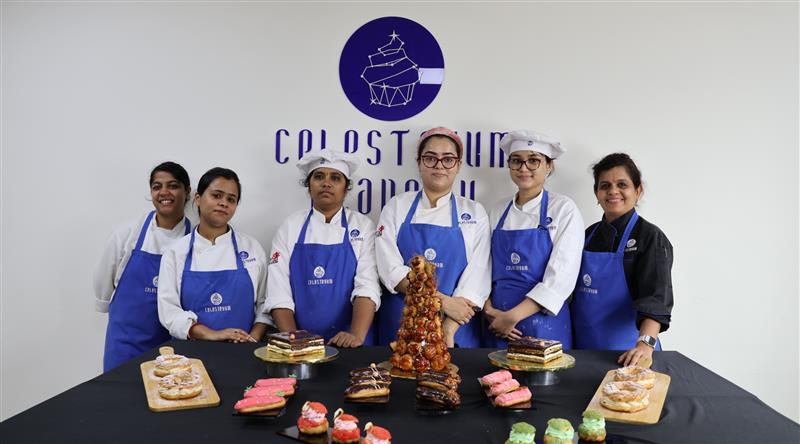
Celesteyum Academy offers different learning pathways for learners who want specialist training, professional baking education or business-oriented skills. The right option depends on what you intend to do after training.
Baking Entrepreneurship Training
If your goal is to start or develop a bakery business, technical baking should be combined with an understanding of costing, pricing, menu planning, production capacity, hygiene and basic business operations.
Celesteyum's Baking Entrepreneurship Course is the relevant pathway for learners who want to develop both baking and business knowledge.
Training relevant to bakery entrepreneurship can include:
- Fundamentals of baking and ingredient understanding
- Basic costing and budgeting concepts
- Kitchen hygiene and production organisation
- Bakery equipment and tools
- Breads and breakfast pastries
- Chocolate and confectionery
- Pies and tarts
- Cakes and finishing techniques
- Menu and product planning
Advanced Diploma in Professional Patisserie & Confectionery
Learners preparing for a broader professional bakery or pastry career may need training across multiple product categories rather than concentrating on one technique.
The Advanced Diploma in Professional Patisserie & Confectionery is Celesteyum's broader professional training pathway.
Areas associated with professional patisserie and bakery training can include:
- Food safety and professional kitchen practices
- Menu planning and costing
- Bread fundamentals
- Breakfast pastries and viennoiserie
- Pies and tarts
- Cake decoration and finishing
- Classic and modern French pastry
- Gateaux and dessert preparation
- Plated desserts
- Chocolate and confectionery
- Advanced patisserie techniques
- Production and bakery project planning
Because programme structure can change, learners should use the current diploma page for the latest duration, certification, batch and admission information.
Short-Term Diploma in Professional Patisserie & Confectionery
Some learners want professional bakery and pastry training but cannot commit to the broader Advanced Diploma format. A shorter structured programme can provide a more concentrated introduction to essential professional skills.
Celesteyum's Short-Term Diploma in Professional Patisserie & Confectionery is designed as the shorter professional pathway.
Training can cover areas such as:
- Bread fundamentals
- Pastry and dessert preparation
- Pies and tarts
- Eggless baking
- Chocolate and confectionery
- Cake decoration
- French pastry techniques
- Macarons
- Food safety and kitchen organisation
- Menu and bakery project planning
Check the current course page before enrolling for the latest programme duration, assessment, certification and batch information.
Does Baking Course Duration Matter?
Course duration matters, but it should never be evaluated on its own. A long programme with limited practical work may not provide the same learning experience as a shorter course with focused hands-on production.
When comparing course duration, ask:
- How many practical sessions are included?
- How many product categories are taught?
- Are students producing the products themselves?
- Is there enough time to repeat important techniques?
- Does the programme include troubleshooting and instructor feedback?
- Is the schedule realistic for you to attend consistently?
A short-term baking course can be useful for building a specific skill or gaining concentrated exposure. A broader diploma is more appropriate when the learner needs structured training across multiple bakery and pastry areas.
This is why a one-day workshop, weekend programme, specialist class and professional diploma should not be compared only by the number of days or weeks.
How Much Hands-On Training Should a Baking Course Include?
Baking is a practical discipline. Watching a chef demonstrate a croissant, sponge, chocolate tempering method or bread dough can help you understand the process, but performing the technique yourself is what develops judgement.
Hands-on practice teaches you to recognise:
- Dough consistency
- Fermentation stages
- Correct mixing and whipping stages
- Temperature changes
- Texture and doneness
- Chocolate tempering behaviour
- Finishing and presentation problems
- How errors affect the final product
When evaluating a hands-on baking course, ask whether learners receive enough time to practise, make mistakes, receive feedback and repeat important techniques. That process is particularly valuable for people planning a professional bakery or pastry career.
How Should You Compare Baking Course Fees?
Price is an important part of choosing a course, but the cheapest or most expensive programme is not automatically the best value. When comparing baking course fees, look at what the fee actually includes.
Useful comparison factors include:
- Programme duration
- Total practical hours
- Ingredients used during training
- Number of product categories
- Access to equipment and facilities
- Instructor guidance
- Course materials
- Assessment or certification where applicable
- Business or career-oriented modules
- Additional items included by the programme
People searching for baking classes in Bangalore with fees or baking classes near me with fees should verify current pricing directly with the academy because course fees, inclusions and batch structures can change over time.
Which Baking Course Should You Choose for Different Goals?
| Your Goal | Training Type to Consider | Relevant Celesteyum Option |
|---|---|---|
| Try baking for the first time | Short workshop | Upcoming Baking Classes |
| Learn bread making | Specialist bread course | Bread Baking Fundamentals |
| Learn artisan or sourdough bread | Specialist fermentation course | Sourdough Bread |
| Improve cake decoration | Specialist cake course | Cake Decoration Classes |
| Learn chocolate techniques | Specialist chocolate course | Chocolate Making Courses |
| Prepare for a professional pastry career | Professional diploma | Advanced Diploma in Professional Patisserie & Confectionery |
| Professional training in a shorter format | Short-term professional diploma | Short-Term Diploma in Professional Patisserie & Confectionery |
| Start a bakery business | Practical baking plus entrepreneurship training | Baking Entrepreneurship Course |
Simple rule: choose a course based on what you want to be able to do after training. The right programme should match your goal, skill level, available time and required depth of practical experience.
Online or In-Person Baking Course: Which Is Better?
Online classes can be useful for recipes, demonstrations and theoretical knowledge, especially for learners who cannot attend an academy. In-person training provides a different learning experience because an instructor can observe your technique, correct errors and give immediate feedback.
This becomes increasingly important for professional goals because pastry and baking rely on physical cues such as dough texture, fermentation, consistency, temperature and finishing.
If you are deciding between the two formats, read our detailed comparison of online and in-person baking classes.
Frequently Asked Questions About Choosing a Baking Course
Which baking course is best for beginners?
A beginner can start with a short workshop or specialist course to understand basic techniques. If the goal is a professional career, a structured programme that begins with fundamentals and progresses into broader bakery and pastry training may be more suitable.
How do I choose a baking course for a professional career?
Compare the curriculum, practical hours, product categories, instructor guidance, facilities, food-safety training and how closely the programme prepares you for the type of bakery or pastry work you want to pursue.
What is the difference between a baking workshop and a baking course?
A workshop usually focuses on one product or technique over a short period. A baking course generally provides more structured training and may cover several techniques or product categories depending on its purpose.
Is a baking diploma better than a short course?
Neither is automatically better. A short course is useful for developing a specific skill, while a diploma is more appropriate when you need broader structured training for a professional bakery or pastry career.
How long should a professional baking course be?
There is no single ideal duration. Compare the amount of hands-on training, syllabus depth, number of product categories and opportunity for repeated practice rather than judging a programme only by its length.
What should I check before joining a baking institute?
Check the curriculum, practical format, instructor guidance, facilities, equipment, class schedule, duration, course fees, food-safety training and how closely the programme aligns with your learning or career goal.
Can I join a professional baking course without previous experience?
Many professional programmes accept beginners, but admission requirements vary. Confirm the specific course requirements and whether the curriculum begins with the fundamentals before enrolling.
Which baking course is suitable for starting a home bakery?
Choose practical training that develops the products you intend to sell, then combine it with knowledge of costing, pricing, food safety, packaging, production planning and customer management. Entrepreneurship-focused training can be useful for this goal.
Are weekend baking classes useful?
Weekend classes can be useful for learning focused techniques or for learners who cannot attend weekday programmes. Their value depends on the curriculum and amount of practical training rather than the fact that they are held on weekends.
Should I choose a baking course or a pastry course?
Choose according to the work you want to pursue. Bakery-focused training may emphasise breads and baked products, while pastry training generally gives more attention to desserts, creams, French pastry, chocolate and finishing. Broader professional programmes may cover both areas.
Choose the Baking Course That Matches Your Career Goal
The right baking course is not necessarily the longest, most expensive or most advanced programme available. It is the programme that gives you the practical training, technical depth and learning format required for the outcome you want.
If you are preparing for a professional bakery or pastry career, Celesteyum Academy in Whitefield offers two structured diploma pathways that can be compared according to your available time and desired depth of training.
Advanced Diploma
For learners looking for broader professional training across baking, patisserie and confectionery.
Explore Advanced DiplomaShort-Term Diploma
For learners looking for structured professional baking and patisserie training in a shorter format.
Explore Short-Term DiplomaIf you are not ready for a diploma, you can also compare specialist workshops and upcoming classes according to the skill you want to develop.
UPCOMING CLASSES
- Artisan Chocolates Class in Bangalore
October 7, 2026 - Cakes and Pastries Class in Bangalore
October 10, 2026 - Artisan Breads Workshop in Bangalore
October 12, 2026 - Cookies and Brownies Class in Bangalore
October 17, 2026 - Breakfast Pastries Course in Bangalore
October 24, 2026 - Bread Fundamentals Class in Bangalore
November 14, 2026 - Cakes and Pastries Class in Bangalore
November 21, 2026 - Breakfast Pastries Course in Bangalore
November 28, 2026

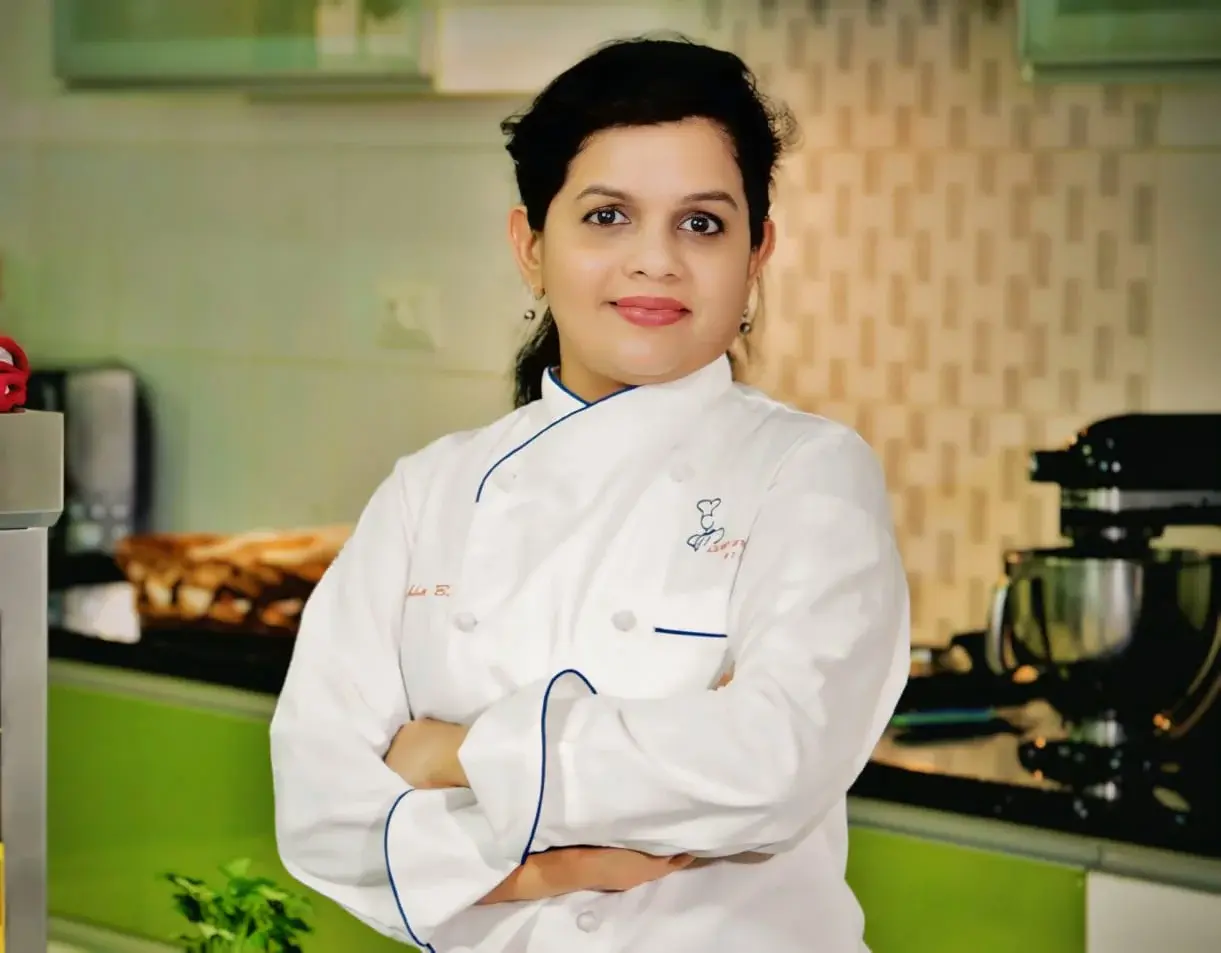
Shobha Bhat

Founder and Pastry Chef
Celesteyum Academy is the culmination of years of passionate baking and Shobha‘s dedication to teaching the best practices in the world of baking. Coming from a family deeply entrenched in the hospitality industry, her journey into the world of baking began a decade ago.