Baking Career Path After a Diploma: Jobs, Skills & Pastry Chef Career Guide

A baking career path can develop in several directions after professional training. Some learners begin in bakery or pastry production, build commercial kitchen experience and later specialise as pastry chefs, professional bakers, bread specialists or cake professionals. Others use their practical skills to build a home bakery, dessert brand, café or independent baking business.
A baking diploma or structured professional training programme can provide a foundation in baking, pastry, food safety, production planning and professional kitchen practices. The qualification itself is only the starting point. Long-term career development depends on practical ability, consistency, workplace experience, communication and continued learning.
If you are researching a career after a baking diploma, a pastry chef career path or the types of jobs available after professional baking training, this guide explains the journey from skill development and entry-level work to specialisation, senior responsibility and entrepreneurship.
What Is the Baking Career Path After a Diploma?
A typical baking career starts with professional training and repeated practical work, followed by a portfolio and entry-level bakery or pastry experience. As technical ability improves, professionals may specialise in bread, pastry, cakes, chocolate or confectionery before progressing into senior production roles, management or entrepreneurship.
Professional Baking Diploma Pathways at Celesteyum Academy
Celesteyum Academy in Whitefield offers professional classroom pathways for learners who want structured hands-on training in baking, pastry, patisserie and confectionery.
What Does a Baking Career Path Look Like After a Diploma?
A career after a baking diploma is rarely a direct move from student to senior pastry chef. Most professionals develop gradually by strengthening technical skills, gaining production experience and identifying which area of baking or pastry suits them best.
Build Technical Skills
Learn professional baking and pastry fundamentals through repeated practical work.
Create a Practical Portfolio
Document finished products that demonstrate your strongest techniques and current ability.
Gain Entry-Level Experience
Learn professional production through junior bakery or pastry roles.
Choose a Specialisation
Develop deeper ability in bread, pastry, cakes, chocolate, confectionery or another area.
Take on Greater Responsibility
Progress towards production planning, quality control, section responsibility or team supervision.
Develop Your Long-Term Direction
Continue into senior kitchen roles, specialist work, training or bakery entrepreneurship.
Main point: a diploma can provide the foundation for a professional bakery career, but progression comes from applying those skills consistently in real production environments.
How to Become a Pastry Chef After Professional Baking Training
If your goal is to understand how to become a pastry chef, the process usually begins with a broad practical foundation rather than immediate specialisation. A pastry chef needs technical knowledge, accuracy, consistency, organisation and experience working under production deadlines.
A practical pathway can include professional training, portfolio development, entry-level pastry work, commercial kitchen experience and gradual specialisation in areas such as French pastry, desserts, cakes, chocolate or viennoiserie.
1. Learn the Fundamentals
Build skills in baking methods, pastry preparation, food safety, recipe accuracy and professional kitchen workflow.
2. Practise Repeatedly
Professional ability develops through consistency rather than successfully making a product only once.
3. Build a Portfolio
Document strong examples of breads, cakes, pastry, desserts, chocolate or other products relevant to your career direction.
4. Gain Kitchen Experience
Entry-level work exposes learners to larger batches, teamwork, deadlines, hygiene standards and commercial production.
What Does a Pastry Chef Do?
A pastry chef prepares and finishes products such as pastries, cakes, desserts, creams, tarts, chocolate preparations and other patisserie items. Responsibilities vary according to the workplace and level of experience.
Where Do Pastry Chefs Work?
Pastry professionals may work in bakeries, hotels, restaurants, cafés, patisseries, dessert businesses, production kitchens or specialist food businesses.
What Skills Does a Pastry Chef Need?
Accuracy, organisation, food safety, recipe understanding, timing, consistency, finishing, presentation and the ability to work effectively under production schedules are important.
For a broader overview of professional patisserie opportunities, read What Can You Do With a Diploma in Professional Patisserie?
Step 1: Build Strong Professional Baking Skills
The first stage of a professional baking career is developing reliable technical skills. Professional baking requires more than following recipes successfully once.
Bakers need to understand ingredients, temperatures, fermentation, mixing methods, texture, timing and presentation well enough to reproduce consistent results.
Bread & Dough
Dough handling, fermentation, shaping, proofing and understanding how time and temperature affect bread production.
Pastry
Pastry creams, laminated dough, gateaux, entremets, tarts, desserts and finishing techniques.
Cakes & Decoration
Sponge preparation, layering, frosting, finishing, fondant and decorative techniques.
Chocolate & Confectionery
Tempering, moulding, fillings, truffles, bonbons and other confectionery preparations.
Food Safety
Clean working practices, storage, hygiene, workstation organisation and professional kitchen discipline.
Production Skills
Mise en place, time management, recipe accuracy, batch consistency and production planning.
Read our guide to professional baking skills learned during diploma training for a deeper look at these technical areas.
Step 2: Build a Practical Baking Portfolio
A portfolio helps demonstrate what you can actually produce after professional training. This can be useful when applying for junior bakery or pastry roles and when presenting your work to potential customers.
Instead of including everything you have made, select products that demonstrate your strongest and most relevant skills.
A useful baking portfolio may include:
- Artisan breads and viennoiserie
- Cakes and gateaux
- Tarts and pastries
- Plated desserts
- Chocolate and confectionery
- Celebration cakes
- Entremets
- Products related to your intended specialisation
Use clear photographs and, where useful, briefly explain the technique involved. Replace older work as your skills improve so the portfolio represents your current ability.
Step 3: Explore Entry-Level Jobs After a Baking Diploma
Many learners begin their professional bakery or pastry career by gaining experience in bakeries, cafés, hotels, pastry kitchens, restaurants or dessert businesses.
Possible jobs after a baking diploma may include:
| Entry-Level Role | Typical Early Responsibilities | Skills Developed |
|---|---|---|
| Junior Baker | Ingredient preparation, bakery production and assisting with daily batches. | Consistency, dough handling, timing and production discipline. |
| Bakery Production Assistant | Preparation, weighing, batching, baking, cooling, storage and cleaning. | Commercial workflow and efficient production. |
| Commis Pastry Chef | Supporting pastry preparation, creams, cakes, desserts and finishing. | Pastry techniques, accuracy and kitchen organisation. |
| Junior Pastry Chef | Producing selected pastry items under supervision. | Product consistency, finishing and section responsibility. |
| Cake Production Assistant | Preparing sponges, fillings, frosting, assembly and basic decoration. | Cake production, finishing and time management. |
Entry-level employment is primarily a learning stage. It exposes a new baker to production schedules, larger batches, professional hygiene, teamwork and the need to maintain consistent quality.

Step 4: Choose a Baking or Pastry Specialisation
After building a broad practical foundation, many bakers identify the products and techniques they enjoy most. Specialisation allows professionals to deepen technical ability while retaining the broader skills required in a commercial kitchen.
Bread & Artisan Baking
Focus on dough, fermentation, sourdough, specialty breads and viennoiserie. Explore Artisan Breads and Sourdough Bread.
Pastry & Patisserie
Develop skills in French pastry, creams, gateaux, entremets and desserts. Explore Classic French Pastries.
Cakes & Decoration
Develop buttercream, fondant, celebration-cake and decorative finishing skills. Explore Cake Decoration Classes and Fondant Cake Decorating.
Chocolate & Confectionery
Specialise in tempering, bonbons, truffles, moulded chocolates and confectionery. Explore Chocolate Making Courses.
Choosing a specialisation does not mean ignoring other areas. Pastry chefs benefit from understanding bread and chocolate, while cake professionals benefit from pastry, fillings, food safety and production planning.

Step 5: Gain Professional Kitchen Experience
Workplace experience is an important part of a long-term baking career path. A professional kitchen introduces situations that cannot be reproduced fully in classroom training.
You begin learning how to:
- Work to production deadlines
- Prepare several products at the same time
- Scale recipes accurately
- Manage ingredients and equipment
- Maintain consistency across batches
- Follow food-safety procedures
- Reduce avoidable waste
- Communicate effectively with team members
- Respond when preparation does not go according to plan
This experience also helps professionals understand whether they prefer artisan production, pastry kitchens, hotel environments, cake production, cafés, specialist businesses or entrepreneurship.
Step 6: Progress Towards More Responsible Bakery and Pastry Roles
Professional progression develops as technical ability, consistency and workplace responsibility increase. Career growth is not based only on the number of years worked.
Experienced professionals may gradually become responsible for:
- Production planning
- Quality control
- Recipe standardisation
- Menu planning
- Supervising junior team members
- Inventory management
- Cost control
- Training staff
- Managing a bakery or pastry section
Reliability, communication, leadership, problem-solving and consistency become increasingly important as professionals move beyond junior production roles.
Career progression tip: moving into a senior role usually means taking responsibility not only for your own products, but also for production quality, workflow and other members of the team.
Step 7: Explore Bakery Entrepreneurship
Not every career after professional baking training leads to long-term employment in a bakery or hotel. Some professionals eventually use their practical skills to develop an independent food business.
Possible models include:
- Home bakery
- Boutique bakery
- Cake studio
- Dessert brand
- Cloud kitchen
- Artisan bread business
- Chocolate or confectionery brand
- Café
- Custom gifting business
Technical baking ability alone is not enough to run a sustainable business. Owners also need to understand costing, pricing, purchasing, food safety, packaging, marketing, customer service, inventory, capacity and profit margins.
Learners interested in this path can explore Celesteyum Academy's Baking Entrepreneurship Course .
Baking Career Path After Class 12
Students interested in practical culinary careers can consider professional baking and pastry training after Class 12. It is not necessary to decide on a final specialisation before beginning.
Early training can focus on building a broad foundation across baking, pastry and professional kitchen practices. After gaining exposure, learners can decide whether they are more interested in bread, pastry, cakes, chocolate, bakery production or entrepreneurship.
When comparing baking courses after 12th, evaluate:
- Curriculum depth
- Hands-on training hours
- Instructor guidance
- Course duration
- Current fees
- Product categories covered
- Location and schedule
- Admission and eligibility requirements
For more detail, read Baking Courses After 12th: Diploma & Career Options .
Professional Baker vs Pastry Chef: How Do the Career Paths Differ?
Professional bakers and pastry chefs can work in related food-production environments, but their day-to-day focus may differ.
| Career Area | Professional Baker | Pastry Chef |
|---|---|---|
| Typical Product Focus | Breads, buns, dough products, cakes and bakery production. | Pastries, creams, desserts, gateaux, entremets and confectionery. |
| Core Skills | Dough handling, fermentation, batch production and consistency. | Precision, pastry methods, finishing, texture and presentation. |
| Possible Workplaces | Bakeries, production kitchens, cafés, hotels and food businesses. | Hotels, patisseries, pastry kitchens, cafés, restaurants and dessert businesses. |
| Career Development | Specialist baker, production lead, head baker or bakery entrepreneur. | Pastry chef, section lead, senior pastry professional or pastry entrepreneur. |
Many professionals develop experience across both bakery and pastry before deciding where to specialise.
Is Pastry Chef a Good Career in India?
A pastry career can suit people who enjoy practical, technical and creative work and are comfortable working with precision, production schedules and continuous skill development.
The work can involve early starts, time-sensitive production, physical activity and the need to maintain consistent quality. In return, professionals can develop expertise across pastry, cakes, desserts, chocolate, bread or specialist production and may later progress into senior roles or entrepreneurship.
When Can It Be a Good Fit?
When you enjoy hands-on learning, detailed work, repetition, problem-solving and improving technical skills over time.
What Should You Consider First?
Training quality, working environment, schedule, practical experience, career expectations and whether the profession matches your long-term interests.
Skills That Support Long-Term Baking Career Growth
Technical baking ability is essential, but professional growth also depends on workplace behaviour and reliability.
Consistency
Producing the same quality repeatedly instead of relying on occasional successful results.
Time Management
Organising preparation, baking, cooling and finishing around production deadlines.
Communication
Working clearly with chefs, assistants, supervisors and other production staff.
Problem-Solving
Identifying why products fail and adjusting techniques when conditions change.
Adaptability
Working with changing production requirements, equipment and kitchen situations.
Professional Discipline
Maintaining hygiene, organisation, reliability and willingness to accept feedback.
Read Soft Skills for a Baking Career for a deeper look at professional workplace skills.
Salary and Career Progression After Baking Training
There is no single salary that applies to everyone completing professional baking training. Earnings vary according to practical ability, experience, employer, location, role, specialisation and level of responsibility.
An entry-level bakery assistant or junior pastry professional may earn differently from an experienced pastry chef, bakery supervisor, specialist bread baker or senior production professional.
Entrepreneurs have a different income structure because revenue must be considered alongside ingredients, packaging, rent, equipment, staffing, electricity, delivery and other operating costs.
For local salary information, read our dedicated guide to Bakery Chef Salary in Bangalore .
How Diploma Training Supports a Professional Baking Career
Structured professional training can make the early stages of a baking or pastry career easier to understand. Learners can practise techniques in a guided environment, receive instructor feedback and experience multiple product categories before deciding where to specialise.
A diploma in baking and pastry can also introduce learners to production organisation, food safety, consistency, professional equipment and working habits that later become relevant in commercial kitchens.

Professional Diploma Pathways at Celesteyum Academy
6-Week Diploma in Baking, Pastry & Confectionery
For learners seeking intensive hands-on professional training within a shorter structured format.
3-Month Advanced Diploma in Professional Patisserie & Confectionery
For learners looking for a longer professional training pathway with greater depth across professional patisserie and confectionery.
The appropriate pathway depends on your available time, current skill level, learning goals and preferred depth of training. Review each course page for the current curriculum, certification, fee and admission details.
Frequently Asked Questions About Baking and Pastry Careers
What is the career path for a professional baker?
A professional baking career may begin with structured training followed by an entry-level bakery or pastry role. With experience, a baker can specialise, take on greater production responsibility, progress into senior positions or develop an independent business.
How do I become a pastry chef?
A typical pathway includes learning professional baking and pastry fundamentals, practising consistently, building a portfolio, gaining entry-level kitchen experience and gradually specialising in pastry, desserts, chocolate, cakes or related areas.
What jobs can I get after a baking diploma?
Possible entry-level roles include junior baker, bakery production assistant, commis pastry chef, junior pastry chef and cake production assistant. Opportunities depend on practical ability, experience and employer requirements.
Is pastry chef a good career?
It can suit people who enjoy practical, technical and creative work and are comfortable with production schedules, precision and repeated practice. Career development depends on skill, experience, specialisation and professional reliability.
Where do pastry chefs work?
Pastry chefs may work in bakeries, patisseries, hotels, restaurants, cafés, dessert businesses, production kitchens or independent food businesses.
Can I become a pastry chef after completing a baking diploma?
A diploma can provide a technical foundation for a pastry career. Most learners still need practical production experience before progressing into more responsible pastry-chef roles.
What is the difference between a bakery diploma and a pastry diploma?
The curriculum varies by programme. Bakery training may place more emphasis on breads, doughs and production, while pastry training may focus more on desserts, French pastry, creams, chocolate and finishing. Some professional programmes combine both areas.
Is baking a good career after Class 12?
Baking can be considered by students who enjoy practical and creative work. Students should compare training options, practical hours, curriculum, schedule and current admission requirements before choosing a programme.
Do I need work experience after a baking diploma?
Professional experience is valuable because commercial kitchens involve larger batches, deadlines, teamwork, workflow and consistency requirements that cannot be developed fully through classroom training alone.
Can I start my own bakery after completing professional training?
Yes, but practical baking ability alone is not enough. Bakery owners also need to understand costing, pricing, purchasing, food safety, packaging, marketing, inventory and customer service.
Is a baking diploma enough to guarantee a job?
No. A diploma can provide training and a technical foundation, but employment depends on practical ability, portfolio quality, professional experience, interview performance and individual employer requirements.
How long does it take to become a pastry chef?
There is no fixed timeline. Professional training can provide the foundation, but developing into a confident pastry professional also requires repeated practice and commercial kitchen experience.
Should I choose the 6-week diploma or 3-month Advanced Diploma?
The 6-week diploma is suited to learners looking for a shorter intensive professional training pathway, while the 3-month Advanced Diploma provides a longer training format. Compare the current curriculum, schedule, fees and certification for both programmes before choosing.
Build Your Baking Career Step by Step
A successful baking career path is usually built gradually. Professional training can provide the foundation, while repeated practice, production experience and continued skill development determine how that foundation develops into a long-term career.
You may begin in bakery production, progress towards pastry or another specialisation, take on greater responsibility or eventually develop your own food business. There is no single route that suits every learner.
If you are ready to move from career research to structured professional training, compare Celesteyum Academy's two professional diploma pathways in Whitefield.
UPCOMING CLASSES
- Artisan Chocolates Class in Bangalore
October 7, 2026 - Cakes and Pastries Class in Bangalore
October 10, 2026 - Artisan Breads Workshop in Bangalore
October 12, 2026 - Cookies and Brownies Class in Bangalore
October 17, 2026 - Breakfast Pastries Course in Bangalore
October 24, 2026 - Bread Fundamentals Class in Bangalore
November 14, 2026 - Cakes and Pastries Class in Bangalore
November 21, 2026 - Breakfast Pastries Course in Bangalore
November 28, 2026

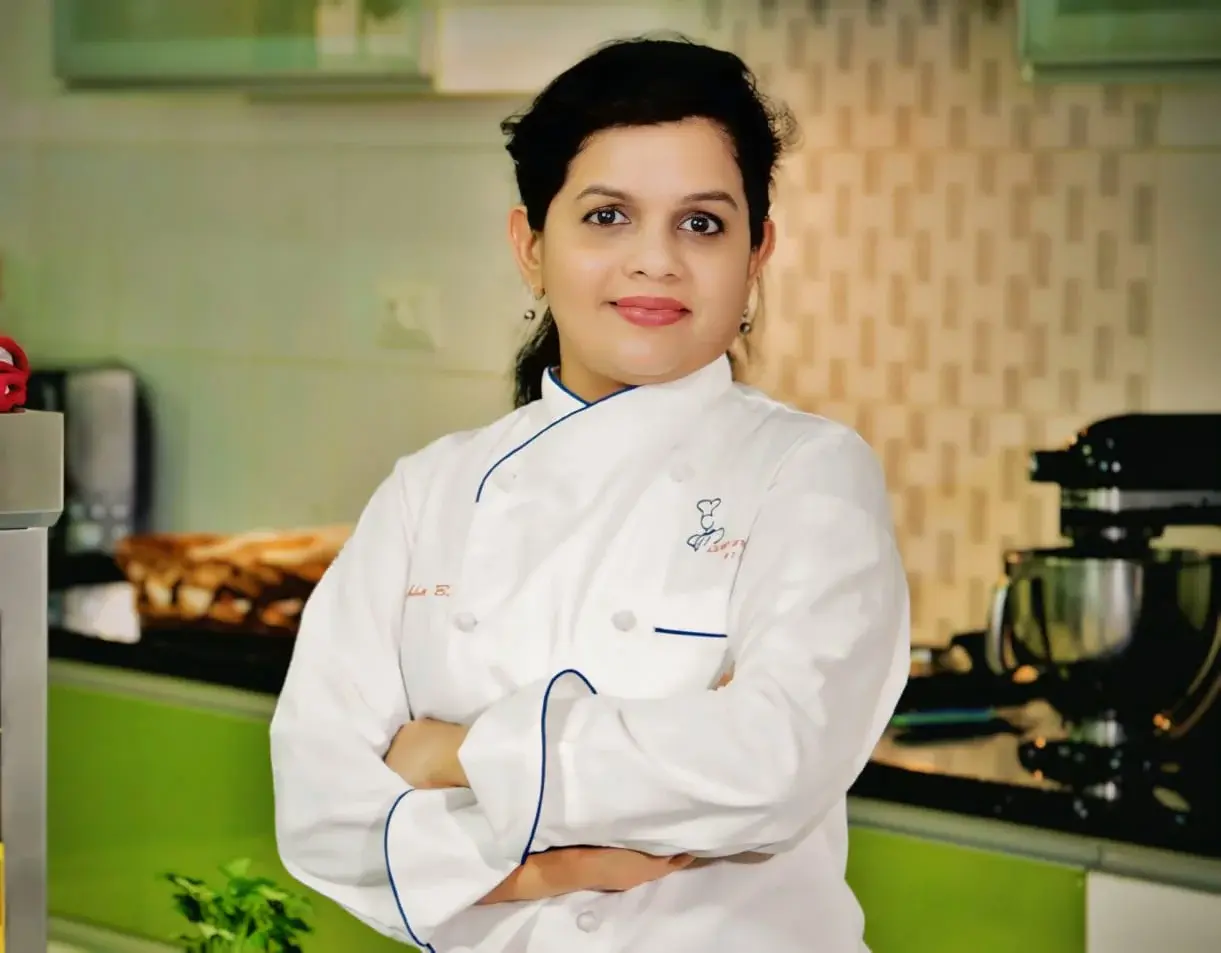
Shobha Bhat

Founder and Pastry Chef
Celesteyum Academy is the culmination of years of passionate baking and Shobha‘s dedication to teaching the best practices in the world of baking. Coming from a family deeply entrenched in the hospitality industry, her journey into the world of baking began a decade ago.