How to Make Perfect Pastry Dough: Puff, Shortcrust & Choux Tips
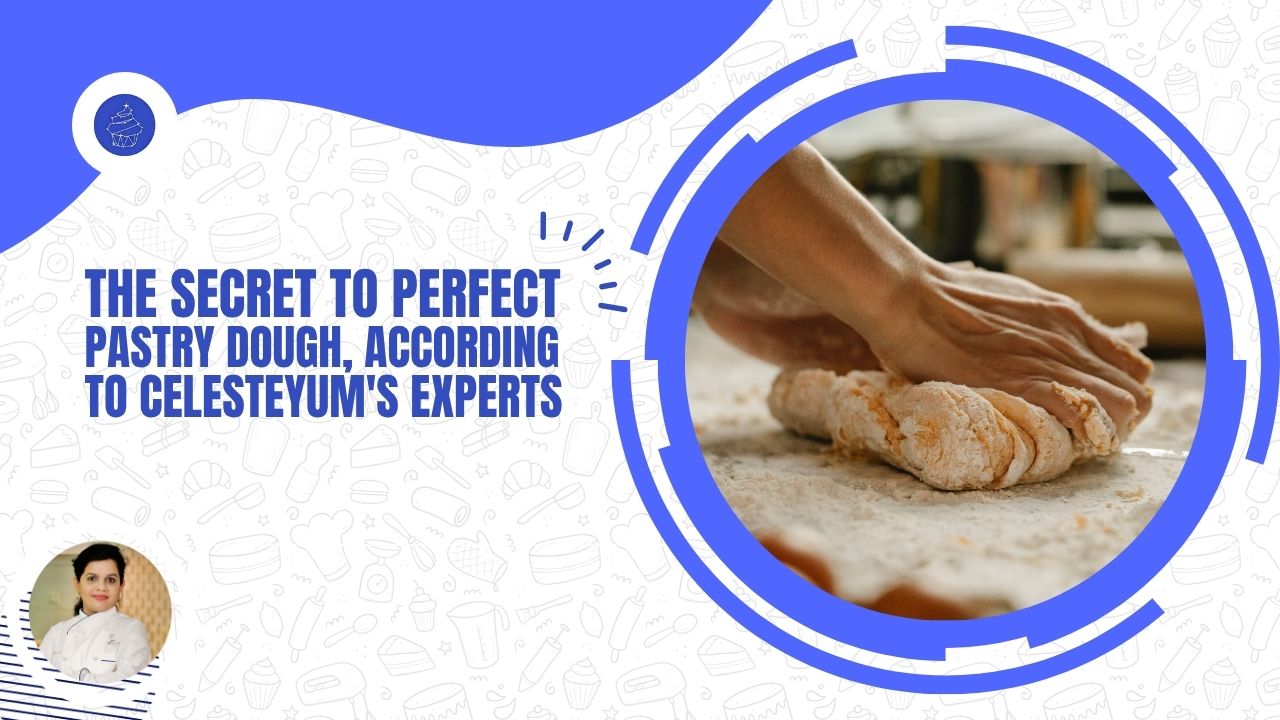
Getting pastry dough right depends on more than following a list of ingredients. Small changes in temperature, mixing, resting, rolling and baking can determine whether the finished pastry becomes tender and crisp, light and flaky, or tough and greasy.
Different pastry doughs also behave differently. Shortcrust depends on controlled gluten development and gentle handling. Puff pastry relies on lamination. Choux dough is cooked before eggs are incorporated, while croissant dough combines lamination with yeast fermentation.
This guide explains how the main types of pastry dough work, how to handle them correctly and how to troubleshoot common problems such as shrinking, butter leakage, poor lift and tough pastry.
What Is Pastry Dough?
Pastry dough is generally made from flour, fat and liquid, although the exact ingredients depend on the product being prepared. Sugar, eggs, yeast and other ingredients may also be included.
Unlike bread dough, many pastry doughs do not require extensive gluten development. In products such as shortcrust pastry, excessive mixing can create a tougher texture and increase the risk of shrinkage.
Successful pastry production depends on controlling several variables:
- Ingredient ratios
- Flour characteristics
- Fat temperature
- Amount of liquid
- Mixing method
- Gluten development
- Resting time
- Rolling technique
- Oven temperature
Understanding how these factors interact makes it much easier to troubleshoot pastry rather than simply repeating a recipe and hoping for a different result.
Main Types of Pastry Dough
There is no single pastry dough that works for every baked product. Different ingredients and preparation methods create different textures and structures.
| Pastry Type | Main Characteristic | Common Uses |
|---|---|---|
| Shortcrust Pastry | Tender and crumbly with controlled gluten development. | Pies, tart shells and savoury pastry. |
| Sweet Pastry | Rich, sweet and generally more structured. | Dessert tarts and pastry shells. |
| Puff Pastry | Thin laminated layers that separate during baking. | Sweet and savoury layered pastries. |
| Choux Pastry | Light shell with a hollow interior. | Éclairs, profiteroles and cream puffs. |
| Croissant Dough | Laminated yeast dough with flaky layers and fermented structure. | Croissants and related viennoiserie. |
7 Fundamentals for Better Pastry Dough
Measure Ingredients Accurately
Pastry depends on controlled ratios. Too much flour may make the dough dry, while excessive liquid can increase gluten development and make the dough difficult to handle. A digital weighing scale helps improve consistency.
Control Temperature
Temperature is especially important when butter or another solid fat needs to remain distinct within the dough. If the fat becomes too warm too early, pastry may become greasy or lose the structure required for flakiness.
Avoid Unnecessary Mixing
Mixing develops gluten. For pastry intended to remain tender, continue only until the dough reaches the consistency required by the method.
Rest the Dough
Resting allows moisture to distribute through the dough and gives developed gluten time to relax. This can improve rolling and help reduce shrinkage.
Roll Evenly Without Stretching
Uneven pastry can bake at different rates. Stretching the dough while fitting it into a tin can also create tension that causes the pastry to shrink during baking.
Chill When the Technique Requires It
Chilling can help control butter temperature, relax dough and maintain laminated layers. It is particularly important during puff pastry and croissant production.
Preheat the Oven Correctly
Pastry should enter an oven at the temperature required by the product. Incorrect heat can affect expansion, colour, texture and overall baking time.
Pastry principle: good pastry is often the result of controlling the dough rather than handling it more. Temperature, time and restraint are as important as mixing and rolling.
How Puff Pastry Dough Creates Flaky Layers
Puff pastry dough gets its characteristic layers from lamination: alternating layers of dough and butter created through controlled rolling and folding.
A typical process involves:
- Preparing the base dough.
- Preparing the butter block.
- Enclosing the butter within the dough.
- Rolling to an even thickness.
- Folding the dough.
- Chilling when required.
- Repeating the rolling and folding sequence.
- Resting before final shaping.
- Baking at the appropriate temperature.
The objective is to preserve separate layers of butter and dough. During baking, water in the dough and butter produces steam. That steam contributes to separation and expansion between the laminated layers.
Why Does Butter Leak From Puff Pastry?
Butter leakage can occur when the butter and dough are no longer behaving as compatible layers.
Possible causes include:
- Butter becoming too soft
- Dough becoming too warm
- Butter not being enclosed properly
- Uneven rolling pressure
- Insufficient chilling
- Butter breaking during lamination
- Damage to the dough surface
Simple check: if laminated dough becomes noticeably soft or the butter begins to lose definition, stop rolling and allow the dough to chill before continuing.
Why Is Puff Pastry Not Flaky?
Puff pastry can lose definition when the laminated layers become damaged or compressed.
Common causes include:
- Butter melting into the dough
- Uneven folds
- Rolling too aggressively
- Skipping necessary chilling
- Compressing cut edges while shaping
- Poor final dough temperature
- Incorrect baking conditions
Flakiness therefore depends on the complete lamination process rather than one individual fold.
How to Handle Shortcrust Pastry Dough
Shortcrust pastry is commonly used for pies and tarts. Unlike laminated pastry, the objective is usually tenderness rather than visible layers.
For better shortcrust pastry:
- Use the ingredient temperatures required by the recipe.
- Avoid excessive mixing.
- Add liquid carefully.
- Rest the dough before rolling.
- Roll using controlled pressure.
- Do not stretch the dough into the tin.
- Chill the shaped shell when the method requires it.
When lining a tart tin, allow the pastry to settle naturally into corners rather than pulling it into position. Dough placed under tension can contract during baking.
Learners who want dedicated practical work with tart shells, pastry and fillings can explore Celesteyum Academy's Pies and Tarts training.
How to Improve a Flaky Pie Crust
A flaky pie crust depends partly on maintaining pieces or layers of fat within the dough rather than blending all of the fat completely into the flour.
Useful principles include:
- Keep the fat at the appropriate temperature.
- Avoid overmixing.
- Add only the liquid required by the dough.
- Rest before rolling.
- Roll gently.
- Keep the shaped pastry cool when required.
The exact method should still follow the recipe being used because pie crust formulas can differ substantially.
What Is Choux Dough and How Does It Work?
Choux dough, also called choux pastry or pâte à choux, is prepared differently from shortcrust and puff pastry.
The flour is first cooked with liquid and fat to form a panade. Eggs are then incorporated gradually until the dough reaches the required consistency.
Choux is commonly used for:
- Éclairs
- Profiteroles
- Cream puffs
- Paris-Brest
Why Does Choux Pastry Collapse?
Choux pastry needs enough internal structure to support itself after expansion. Collapse can have several causes:
- The panade was not cooked sufficiently.
- Too much egg was added.
- The final dough consistency was incorrect.
- The shells were underbaked.
- The shell structure had not set adequately.
This is why choux requires visual and tactile judgement in addition to following ingredient quantities.
Puff Pastry vs Croissant Dough: What Is the Difference?
Puff pastry and croissant dough both use lamination, but they are not the same dough.
| Factor | Puff Pastry | Croissant Dough |
|---|---|---|
| Yeast | Traditionally does not depend on yeast for lift. | Contains yeast. |
| Primary Structure | Laminated layers expanded largely through steam. | Combines fermentation with laminated layers. |
| Proofing | No yeast proofing stage. | Requires controlled fermentation and proofing. |
| Technique | Temperature, rolling, folding and layer preservation. | Requires those controls plus yeast fermentation management. |
Croissant production therefore requires the baker to balance dough development, butter condition, lamination, fermentation, proofing and baking.
Can Pastry Dough Be Made Without Eggs?
Yes. Many types of pastry dough can be made without eggs.
Some shortcrust formulas naturally contain no egg, while other pastry formulas use eggs for one or more functions such as:
- Binding
- Moisture
- Richness
- Colour
- Structure
An eggless adaptation should therefore consider what the egg is doing in the original formula rather than replacing it mechanically with the same substitute in every recipe.
For dedicated training in baking without eggs, see Celesteyum Academy's Eggless Baking programme.
French Pastry Dough Techniques
French pastry uses several dough systems, each designed to create a specific texture.
Pâte Brisée
A shortcrust-style dough commonly used for tarts and savoury preparations, generally handled to maintain tenderness and controlled gluten development.
Pâte Sucrée
A sweet tart dough with a richer formula and a crisp, structured finished texture.
Puff Pastry
A laminated dough in which repeated rolling and folding creates alternating layers of dough and butter.
Croissant Dough
A laminated yeast dough that combines layer formation with fermentation and proofing.
Students interested specifically in French pastry methods can explore Celesteyum Academy's Classic French Pastries.
What Are Docking and Blind Baking?
Docking
Docking means creating small holes in the pastry before baking. In suitable products, this can help control unwanted bubbles or lifting.
Blind Baking
Blind baking means partially or fully baking a pastry shell before the final filling is added.
It can be useful when:
- The filling requires less baking time than the pastry.
- The finished tart needs a crisp base.
- The filling will be added after the shell is baked.
- The method requires the base to set before a wet filling is introduced.
The correct blind-baking method depends on the type of pastry and final product.
Common Pastry Dough Problems and How to Troubleshoot Them
| Problem | Possible Cause | What to Check |
|---|---|---|
| Tough pastry | Excess mixing, handling or flour. | Reduce unnecessary gluten development. |
| Crumbly dough | Insufficient moisture or poor ingredient balance. | Check formula and mixing consistency. |
| Greasy pastry | Fat became too warm. | Review ingredient and dough temperature. |
| Pastry shrinks | Dough was stretched, overworked or insufficiently rested. | Rest the dough and avoid stretching during shaping. |
| Puff pastry lacks lift | Damaged lamination or poor temperature control. | Review folds, butter condition and baking process. |
| Butter leaks | Butter or dough became too warm, or lamination was damaged. | Control temperature and rolling pressure. |
| Choux collapses | Incorrect dough consistency or insufficient baking. | Review panade, egg addition and final shell structure. |
Why Does Pastry Dough Become Tough?
Tough pastry is often associated with excessive gluten development.
Possible causes include:
- Overmixing
- Repeated re-rolling
- Heavy handling
- Adding excessive flour while rolling
- Using more liquid than required
- Insufficient resting
For tender shortcrust-style pastry, mix and handle only as much as the method requires.
Why Does Pastry Dough Shrink During Baking?
Pastry can shrink when gluten in the dough remains under tension.
Common causes include:
- Overworking the dough
- Stretching it while lining the tin
- Insufficient resting
- Skipping a required chilling stage
- Rolling or shaping too aggressively
Allowing the dough to relax before baking can reduce tension and improve its ability to retain the intended shape.
Why Is Lamination One of the Harder Pastry Techniques?
Lamination can be challenging because several variables need to remain controlled at the same time.
The baker needs to manage:
- Dough temperature
- Butter temperature
- Butter flexibility
- Rolling pressure
- Dough thickness
- Folding accuracy
- Resting and chilling
If the butter becomes too hard, it may fracture inside the dough. If it becomes too soft, it may blend into the dough rather than remaining as a separate layer.
Repeated practice helps bakers recognise the correct dough and butter condition during each stage of lamination.
Professional Pastry Skills Also Require Food Safety
Professional pastry production is not only about technique. Bakers also need clean working methods, appropriate storage, correct ingredient handling and suitable temperature control.
For official Indian food-safety guidance, refer to the Food Safety and Standards Authority of India hygiene requirements.
For an international reference on professional pastry competencies, the WorldSkills Pâtisserie and Confectionery skill area provides context on the range of technical abilities used in professional pastry work.
You can also read Celesteyum's guide to food safety and hygiene for professional bakers.
How Practical Training Can Improve Pastry Technique
Recipes can explain ingredients and steps, but pastry also requires judgement. Bakers need to learn what properly developed dough feels like, when butter is becoming too soft, how much egg a choux panade can accept and when a pastry shell has developed enough structure.
Guided practice can help learners understand:
- Shortcrust handling
- Sweet tart dough
- Puff pastry lamination
- Choux consistency
- Croissant and laminated yeast dough
- Tart shells
- Ingredient behaviour
- Temperature control
- Professional finishing
- Troubleshooting
This article remains focused on pastry dough techniques. Learners comparing complete professional pastry programmes can review Celesteyum Academy's diploma options separately.
Frequently Asked Questions About Pastry Dough
What is the secret to good pastry dough?
Good pastry dough depends on accurate measurement, suitable ingredient temperature, controlled mixing, proper resting, even rolling and the correct baking method. The exact technique changes according to whether you are making shortcrust, puff pastry, choux or laminated dough.
Why should pastry dough be kept cold?
Keeping the dough cool helps control the fat. This is especially important in flaky and laminated pastry because butter that becomes too soft can blend into the dough and damage the layer structure.
How long should pastry dough rest?
The required resting time depends on the pastry type and recipe. Resting allows moisture to distribute and gluten to relax, while chilled resting can also help control fat temperature.
Why does pastry dough shrink during baking?
Pastry can shrink when the dough has been overworked, stretched during shaping or not allowed to relax sufficiently before baking.
What are the main types of pastry dough?
Common types include shortcrust pastry, sweet pastry, puff pastry, choux pastry and laminated yeast dough such as croissant dough.
What is the difference between puff pastry and croissant dough?
Both use lamination, but puff pastry generally relies on steam separating its layers, while croissant dough also contains yeast and goes through fermentation and proofing.
Can pastry dough be made without eggs?
Yes. Some pastry doughs naturally contain no eggs, while others may be adapted. The correct approach depends on whether the egg provides structure, moisture, colour, richness or binding in the original formula.
Why does butter leak from puff pastry?
Butter may leak if the dough becomes too warm, the butter softens excessively, the butter layer breaks or the dough is damaged during lamination. Temperature and rolling pressure are important controls.
Why does choux pastry collapse?
Choux may collapse when the panade, egg quantity, final dough consistency or baking process does not create enough structure for the shell to remain expanded after baking.
What is the difference between bread dough and pastry dough?
Bread generally relies on stronger gluten development and often yeast fermentation. Many pastry doughs use more controlled gluten development and rely on fat, lamination or other methods to create tenderness, crispness or flaky layers.
Want to Develop Pastry Skills Through Hands-On Practice?
If you want to move beyond reading pastry techniques and practise dough handling, lamination, pastry production and troubleshooting in a guided environment, compare Celesteyum Academy's professional training pathways in Whitefield, Bangalore.
Advanced Diploma in Professional Patisserie & Confectionery
Explore the broader professional pathway for learners seeking structured practical training across baking, pastry and confectionery.
Explore Advanced DiplomaShort-Term Diploma in Professional Patisserie & Confectionery
Explore the shorter professional pathway for learners seeking focused practical development in baking and patisserie.
Explore Short-Term DiplomaFor individual workshop and batch availability, check the current schedule or contact Celesteyum Academy directly.
UPCOMING CLASSES
- Artisan Chocolates Class in Bangalore
October 7, 2026 - Cakes and Pastries Class in Bangalore
October 10, 2026 - Artisan Breads Workshop in Bangalore
October 12, 2026 - Cookies and Brownies Class in Bangalore
October 17, 2026 - Breakfast Pastries Course in Bangalore
October 24, 2026 - Bread Fundamentals Class in Bangalore
November 14, 2026 - Cakes and Pastries Class in Bangalore
November 21, 2026 - Breakfast Pastries Course in Bangalore
November 28, 2026


Shobha Bhat

Founder and Pastry Chef
Celesteyum Academy is the culmination of years of passionate baking and Shobha‘s dedication to teaching the best practices in the world of baking. Coming from a family deeply entrenched in the hospitality industry, her journey into the world of baking began a decade ago.