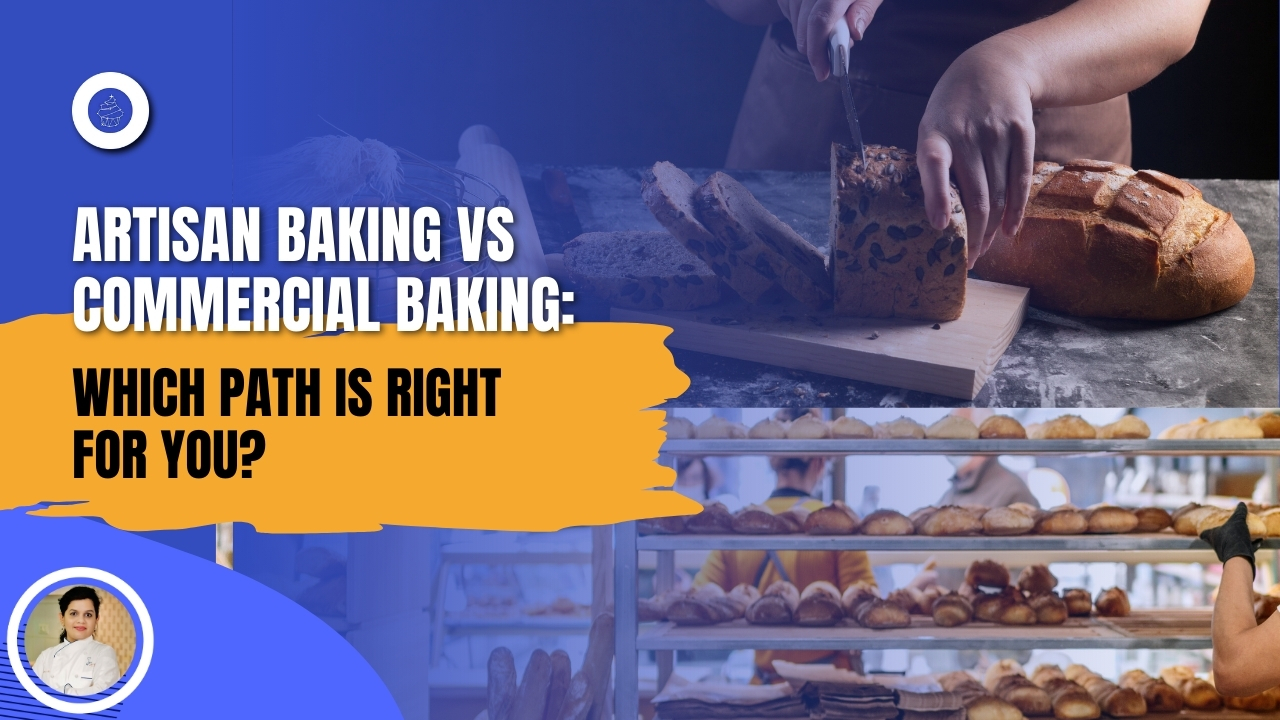
Artisan Baking vs Commercial Baking: Which Path Is Right for You?
Many aspiring bakers start with a simple question: Do I want to bake because I love the craft, or because I want to work at scale?
This question sits at the heart of the choice between artisan baking and commercial baking.
Both paths offer rewarding opportunities, but they differ significantly in daily work, skill focus, income structure, and long-term growth. Understanding these differences early helps students choose the right professional baker career and the most suitable baking course.
Understanding Artisan Baking
Artisan baking focuses on small-batch production, traditional methods, and hands-on craftsmanship. It is commonly associated with breads, pastries, and baked goods that prioritise flavour, technique, and ingredient quality.
A strong example is artisan bread baking, where fermentation, dough handling, and baking technique play a central role.
What artisan bakers typically focus on:
- Naturally fermented breads and specialty loaves
- Small-batch pastries and desserts
- Manual dough handling and shaping
- Ingredient quality and flavour development
- Consistency through technique rather than automation
Artisan bakers often work in boutique bakeries, cafés, or independent setups where the baker is closely involved in every stage of production.
Understanding Commercial Baking
Commercial baking operates at scale. The focus is on volume, consistency, and efficiency, often supplying hotels, large bakeries, retail chains, or food service operations.
In commercial kitchens, systems and processes matter as much as baking skill.
What commercial bakers typically focus on:
- Large-scale production planning
- Standardised recipes and outputs
- Working with industrial equipment
- Meeting demand, deadlines, and cost targets
- Coordinating with production and operations teams
Commercial baking environments value discipline, speed, and the ability to maintain quality across high volumes.
Skills Required: Craft vs Systems
The skills required in each path shape the kind of training a student should look for.
Artisan baking skills:
- Dough fermentation and handling
- Bread shaping and scoring
- Sensory judgement (texture, aroma, crumb)
- Adaptability with small batches
Commercial baking skills:
- Process control and standardisation
- Time and batch management
- Equipment handling
- Team coordination
Both paths require solid fundamentals, but the emphasis differs.
Income, Workload, and Lifestyle Considerations
Income patterns and daily routines vary widely between the two paths.
Artisan bakers often:
- Work early hours
- Handle multiple roles in smaller teams
- Build income gradually through skill reputation
- Explore entrepreneurship or niche specialisation
Commercial bakers often:
- Work structured shifts
- Operate within larger teams
- Earn stable salaries earlier in their careers
- Progress into supervisory or production roles
Neither path is universally “better”. The right choice depends on personal goals, work style, and long-term plans.
Growth and Career Progression
Artisan baking offers growth through:
- Skill mastery
- Brand-building
- Independent ventures or boutique bakeries
- Specialisation in breads or pastries
Commercial baking offers growth through:
- Production leadership roles
- Operations and quality control positions
- Management pathways
- Large-scale bakery or hospitality careers
Both paths support long-term growth when paired with the right training and exposure.
How This Choice Influences Course Selection
This is where many beginners feel uncertain. A course that focuses only on recipes may not clarify whether a student prefers artisan or commercial work.
Strong baking courses in Bangalore and structured professional baking courses India typically expose students to:
- Foundational techniques used in both paths
- Professional kitchen discipline
- Bread, pastry, and production basics
This allows learners to experience both approaches before committing fully.

3 Months
DIPLOMA IN BAKING AND CONFECTIONARY
WHITEFIELD, BANGALORE
How Structured Training Supports Better Decisions
Short workshops and diploma programs help students understand how baking skills translate into real work environments.
At Celesteyum Academy, students are introduced to bread, pastry, and bakery fundamentals in a professional setting. Exposure to techniques like artisan bread production alongside structured workflows helps learners evaluate which path aligns with their interests and strengths.
For those exploring a long-term professional baker career, this clarity often proves more valuable than specialising too early.
Choosing the Right Path for You
Artisan baking and commercial baking represent different expressions of the same craft. One emphasises hands-on creativity and small-batch precision, while the other focuses on scale, systems, and consistency.
Understanding these differences helps aspiring bakers choose courses, training formats, and career paths with confidence. With the right foundation, both paths offer meaningful and sustainable careers in the baking industry.
At Celesteyum Academy, we offer aspiring bakers a wide range of short term and long term courses that can prepare them for either line of baking. Our diploma programs offer students a strong foundation in the basics of baking and working in a kitchen, and our specialised short term courses can give students the advanced training in specific skills perfect for artisan baking.
Check out our diploma courses here: https://celesteyum.com/advanced-diploma-in-professional-patisserie-confectionery/
Contact us to receive a free counselling session and guidance to build your baking career!
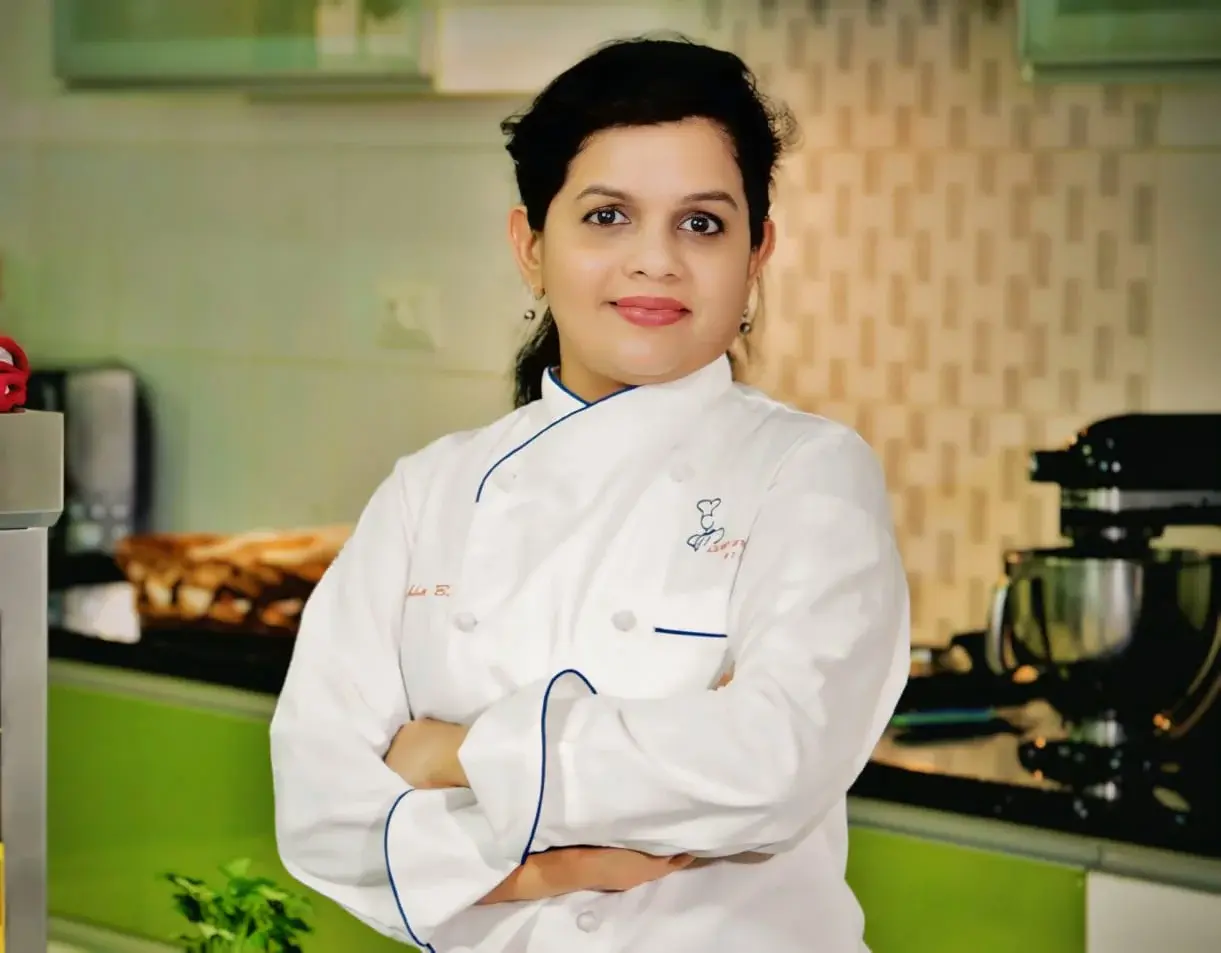
Shobha Bhat
Celesteyum Academy is the culmination of years of passionate baking and Shobha‘s dedication to teaching the best practices in the world of baking. Coming from a family deeply entrenched in the hospitality industry, her journey into the world of baking began a decade ago.