


How to Start a Home Bakery Business in 2026 (Step-by-Step Guide)

Starting a home bakery is one of the most practical ways to turn baking into a structured income stream. With growing demand for customised cakes, desserts, and small-batch baked goods, many bakers are exploring how to move from occasional orders to a more organised setup. If you are just getting started, our easy baking guide for beginners is a helpful first read.
This home bakery startup guide outlines the key steps involved, helping you approach the process with clarity rather than guesswork.
Step 1: Decide What You Want to Sell
Before setting up anything, it is important to define your product focus. A clear direction helps with pricing, production planning, and marketing.
Common baking business ideas include:
- Celebration cakes and customised orders
- Cookies, brownies, and tea-time bakes
- Bread and savoury items
- Dessert boxes and seasonal products
If you are unsure whether to focus on artisan-style products or a commercial approach, read our breakdown on artisan vs commercial baking to understand what suits your goals. Those interested in celebration cakes can also explore the skills needed to build a wedding cake business.
Starting with a limited menu makes it easier to maintain quality and manage orders.
Step 2: Understand Basic Requirements and Setup
To start a baking business from home, you need a functional kitchen setup and a basic understanding of food safety and hygiene.
Key considerations include:
- Clean and organised workspace
- Essential baking Tools and equipment
- Ingredient storage and handling
- Packaging suitable for transport
For general food safety guidelines, you can refer to Food Safety and Standards Authority of India (FSSAI), which outlines basic compliance requirements for food businesses in India.
Step 3: Create a Simple Home Bakery Business Plan
A clear home bakery business plan does not need to be complex. It should help you understand how your business will function day to day.
This typically includes:
- Product range and pricing approach
- Estimated cost of ingredients and packaging
- Order capacity per day or week
- Basic marketing and sales channels
Planning at this stage helps avoid operational challenges later. You can also explore whether a cloud kitchen setup could work better than a physical bakery as you grow. Refer to bakery business plan for more details on how to setup a business plan.

Step 4: Start Small and Build Consistency
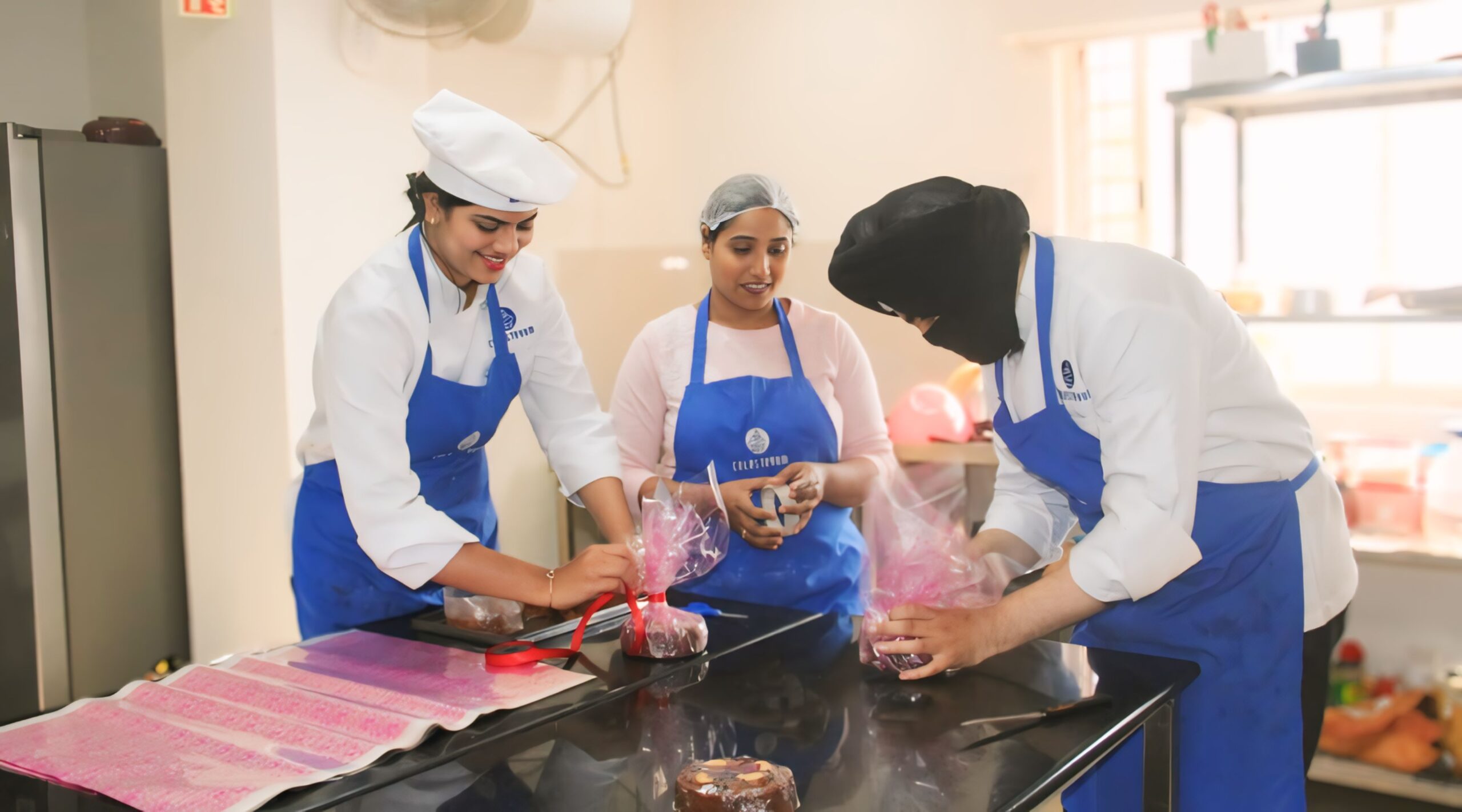
Many bakers begin by taking limited orders and gradually increasing volume. This allows you to focus on consistency and customer experience.
When learning how to start a home bakery business, it is useful to:
- Track how long each product takes to prepare
- Maintain consistent quality across orders
- Build a small but reliable customer base
This approach helps create a stable foundation before scaling.
Step 5: Pricing and Cost Awareness
Pricing is one of the most important aspects of a home bakery. It should reflect ingredient costs, time, and effort.
Basic pricing considerations include:
- Cost of ingredients and packaging
- Time spent on preparation and finishing
- Market expectations for similar products
Developing pricing awareness early helps ensure sustainability. For a detailed breakdown, read our post on the cost of starting a baking business and explore cost control techniques used in professional bakeries to manage your margins better.
Step 6: Manage Orders and Workflow
As orders increase, organisation becomes important. Bakers need to plan production schedules to handle multiple orders efficiently.
This includes:
- Planning baking timelines
- Organising ingredient preparation
- Managing delivery or pickup schedules
Even a simple system can improve workflow and reduce last-minute stress.
Step 7: Build Visibility Gradually
Most home bakeries grow through word-of-mouth and social media. Consistent presentation and clear communication help attract repeat customers.
Focus on:
- Sharing product photos regularly
- Maintaining consistency in design and quality
- Responding clearly to customer queries
Growth usually happens gradually, based on reliability and product quality.


How Structured Training Supports Business Readiness
While many bakers start from home, structured learning helps bridge the gap between baking as a hobby and running it as a business.
At Celesteyum Academy, students are introduced to practical aspects of baking that support small-scale operations. For those specifically interested in setting up a business, the entrepreneur baking programs cover areas such as planning, workflow, and basic business considerations in a structured format.
You can explore our Entrepreneur course.
Building a Sustainable Home Bakery
Starting a home bakery is a gradual process that combines skill, planning, and consistency. By beginning with a clear approach and building step by step, bakers can create a setup that is manageable and sustainable over time.
With the right balance of practical skills and structured learning, it becomes easier to turn baking into a reliable and well-organised venture.
📍 3 Months | Diploma in Baking and Confectionary | Whitefield, Bangalore | Contact Us
UPCOMING CLASSES
- Artisan Breads
July 6, 2026 - SOUR DOUGH BREADS
July 8, 2026 - CAKES AND PASTRIES
July 11, 2026 - SOUR DOUGH BREADS
July 11, 2026 - BREAKFAST PASTRIES
July 18, 2026 - Cookies and Brownies
July 25, 2026 - Pastry special
July 27, 2026 - BREAKFAST PASTRIES
August 1, 2026 - BAKERS FOUNDATION PROGRAM
August 3, 2026 - Fondant cake class
August 6, 2026 - DIPLOMA IN PROFESSIONAL PATISSERIE AND CONFECTIONERY
August 10, 2026 - ENTREPRENEUR PROGRAM
August 10, 2026 - SOUR DOUGH BREADS
August 13, 2026



Shobha Bhat


Founder and Pastry Chef
Celesteyum Academy is the culmination of years of passionate baking and Shobha‘s dedication to teaching the best practices in the world of baking. Coming from a family deeply entrenched in the hospitality industry, her journey into the world of baking began a decade ago.