


Why European Baking Techniques Are in High Demand in India

Walk into a premium bakery, café, or hotel in any major Indian city today and you’ll notice a clear pattern. Croissants, sourdough loaves, entremets, tiramisu, éclairs, and artisanal pastries dominate menus. Behind this shift is a growing demand for European baking techniques, which are now widely regarded as the benchmark for quality and consistency in professional baking.
This growing preference is shaping hiring decisions, menu design, and the kind of skills that aspiring bakers are expected to bring into the industry.
The Influence of European Baking on India’s Premium Bakery Scene
European baking traditions, particularly from France, Italy, and Germany, have long emphasised technique, precision, and ingredient understanding. As India’s food and hospitality sector matures, these values have become increasingly relevant.
Premium bakeries and cafés rely on European-style products because they offer:
- Distinct textures and flavour profiles
- Visual refinement and consistency
- Strong alignment with global dining expectations
As a result, European-style breads and pastries have become staples rather than niche offerings.
Why Hotels and Cafés Look for These Skills
Hotels, fine-dining restaurants, and upscale cafés often operate with international standards in mind. Their pastry and bakery teams are expected to deliver products that match global quality benchmarks.
This is where French pastry training and exposure to European methods become valuable. Techniques such as lamination, controlled fermentation, and structured dessert assembly require disciplined execution, which professional kitchens depend on.
Many hospitality recruiters actively look for bakers who are familiar with these methods, as they reduce training time and improve output consistency.
What Makes European Baking Techniques Distinct
European baking traditions are not defined by recipes alone. They are built around process, patience, and technique.
Some defining characteristics include:
- Long fermentation for flavour and digestibility
- Precision in temperature, timing, and handling
- Emphasis on technique over shortcuts
- Balance between aesthetics and structure
These approaches help bakers develop strong fundamentals that can be adapted across cuisines and formats.
Italian, French, and German Baking: Different Strengths, One Foundation
Each European tradition brings a different strength to professional baking.
French baking is known for:
- Pastries and viennoiserie
- Layering, lamination, and finishing precision
- Desserts that combine technique with visual elegance
Italian baking focuses on:
- Simplicity and ingredient quality
- Breads like focaccia and ciabatta
- Desserts that highlight flavour balance
German baking is recognised for:
- Bread culture and wholegrain expertise
- Structured fermentation methods
- Emphasis on texture, nutrition, and shelf life
Together, these traditions shape many of the professional pastry chef skills expected in modern kitchens.
For a broader understanding of European bread traditions, students can explore resources such as:
European Bakers Association: https://www.aebread.eu/
Higher Skill Expectations and Career Growth
As European-style products become more common, expectations from bakers increase. Employers are not only looking for execution, but also understanding.
Bakers trained in European methods often bring:
- Strong technical foundations
- Better problem-solving skills in production
- Consistency across batches
- Adaptability to different menus and formats
This often translates into better growth opportunities within professional kitchens, especially in premium segments.
Why Advanced Learners Gravitate Toward European Techniques
Many bakers reach a point where basic cake and bread recipes no longer challenge them. At this stage, European baking offers depth.
Advanced learners are drawn to these techniques because they:
- Encourage mastery rather than speed alone
- Require refined handling and judgement
- Build confidence across multiple bakery formats
- Align well with global culinary standards
This makes European baking methods particularly attractive to those planning long-term careers.


How European Techniques Fit Into Your Training Path
European baking techniques are best learned through structured practice, and Celesteyum Academy offers several focused programs that cover these methods:
- Diploma in Bakery and Confectionery in Bangalore – comprehensive program with European-style breads, French pastries, laminated doughs, and classic dessert techniques. Great for long-term professional baker career development.
https://celesteyum.com/baking-diploma-courses-in-bangalore/ - Classic French Pastries – focused class on French techniques and patisserie foundations.
https://celesteyum.com/classic-french-pastries/ - Bread Fundamentals – practical workshop covering artisan breads including baguette and ciabatta.
https://celesteyum.com/bread-baking-fundamentals/ - Macarons – specialised European confectionery technique, ideal for mastering precision and structure.
https://celesteyum.com/macarons/ - Pies and Tarts – class focused on European-style tarts and pastry shells.
https://celesteyum.com/pies-and-tarts/ - Wedding Cake Masterclass – workshop covering advanced cake structure and finishing aesthetics influenced by European design.
https://celesteyum.com/wedding-cake-masterclass/
These courses introduce European methods ranging from artisan bread fermentation to refined dessert finishes. Whether you want short-term exposure or a deeper professional pastry chef skills foundation, there’s a structured pathway to build confidence and expertise.
Contact us to receive a free counselling session and guidance to build your baking career!
UPCOMING CLASSES
- Artisan Breads
July 6, 2026 - SOUR DOUGH BREADS
July 8, 2026 - CAKES AND PASTRIES
July 11, 2026 - SOUR DOUGH BREADS
July 11, 2026 - BREAKFAST PASTRIES
July 18, 2026 - Cookies and Brownies
July 25, 2026 - Pastry special
July 27, 2026 - BREAKFAST PASTRIES
August 1, 2026 - BAKERS FOUNDATION PROGRAM
August 3, 2026 - Fondant cake class
August 6, 2026 - DIPLOMA IN PROFESSIONAL PATISSERIE AND CONFECTIONERY
August 10, 2026 - ENTREPRENEUR PROGRAM
August 10, 2026 - SOUR DOUGH BREADS
August 13, 2026


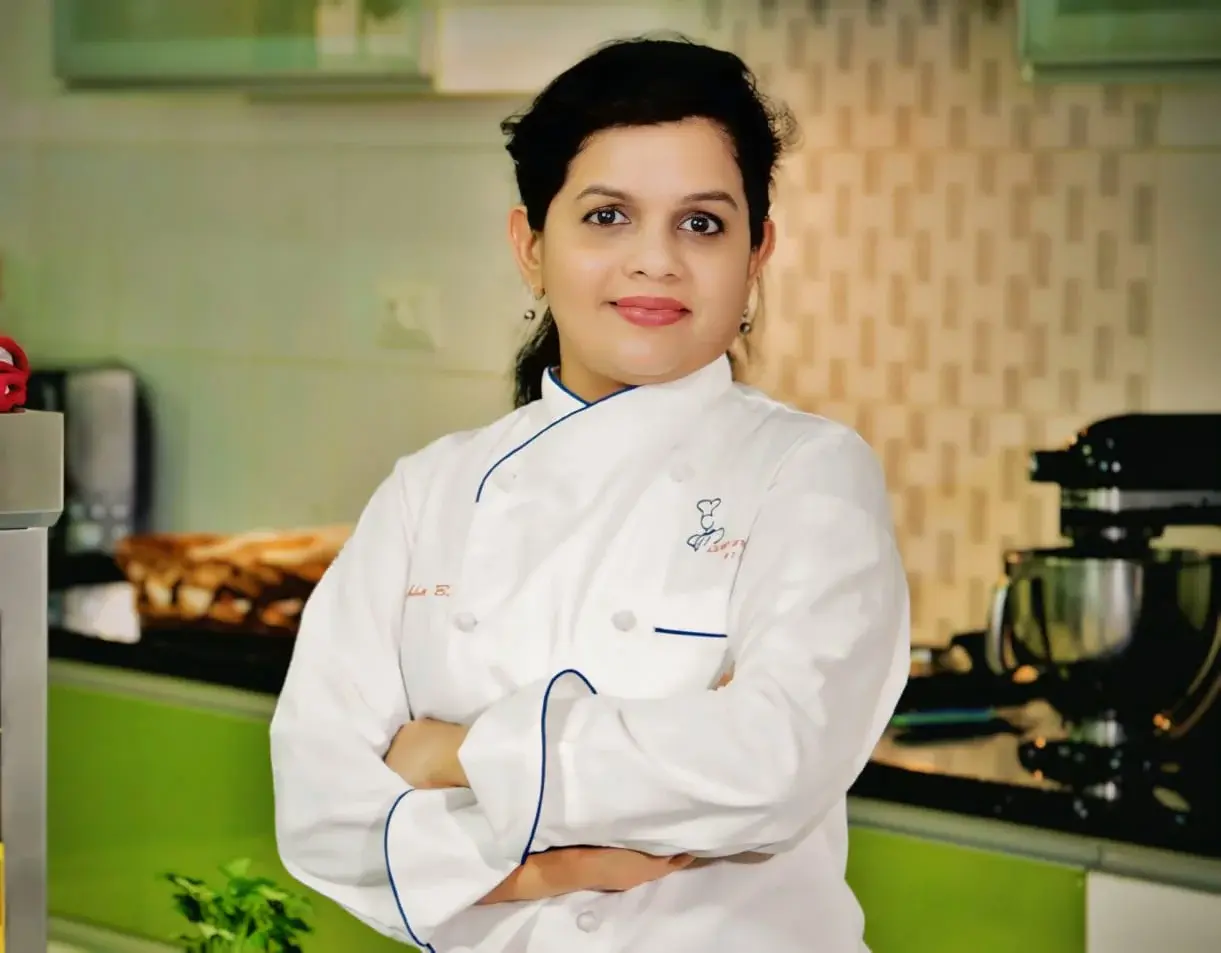
Shobha Bhat


Founder and Pastry Chef
Celesteyum Academy is the culmination of years of passionate baking and Shobha‘s dedication to teaching the best practices in the world of baking. Coming from a family deeply entrenched in the hospitality industry, her journey into the world of baking began a decade ago.