
Small Batch to Bulk Orders: How Bakers Scale Production

Many bakers begin with small batches made at home or in limited kitchen setups. As demand grows, the challenge shifts from baking well to producing consistently at scale. Moving from a few trays a day to bulk orders requires more than doubling recipes. It involves new skills, systems, and decision-making that directly affect quality, costs, and sustainability.
This transition is a key phase in a professional baker career, especially for those aiming to work in commercial kitchens, hotels, or large bakeries.
Why Scaling Is a Turning Point for Bakers
Small-batch baking allows flexibility and experimentation. Bulk production demands discipline, planning, and control. Bakers who succeed at scale understand how to manage volume without compromising product standards.
Scaling becomes necessary when:
- Orders increase from cafés, restaurants, or corporate clients
- Production timelines tighten
- Consistency matters more than improvisation
- Cost control starts affecting profitability
This shift often exposes gaps in training that recipe-focused learning does not address.
What Changes When Production Scales
When bakers move into bulk production, several aspects of their work change simultaneously:
Process and Planning
At scale, production must follow clear workflows. Mixing, proofing, baking, and finishing need to be scheduled precisely to avoid delays and waste.
Ingredient Management
Bulk production requires accurate measurements, controlled sourcing, and storage discipline. Small errors multiply quickly when batches increase.
Equipment and Capacity
Ovens, mixers, and workspaces are used differently in high-volume environments. Bakers must learn to adapt techniques to larger equipment while maintaining consistency.
Time and Labour Coordination
Production timelines depend on teamwork. Bakers learn to coordinate tasks, manage overlaps, and maintain output across shifts.
These skills form the backbone of professional bakery operations.
The Role of Standardisation
One of the biggest adjustments bakers make is moving from intuition-led baking to standardised processes.
Standardisation supports:
- Consistent quality across batches
- Predictable production timelines
- Easier training of team members
- Better cost and inventory control
Learning to document recipes, timings, and procedures is essential when scaling beyond small batches.
Managing Quality at Higher Volumes
Scaling production does not mean compromising quality. It requires understanding which variables affect outcomes most.
Professional bakers learn to:
- Control fermentation and proofing across multiple batches
- Adjust baking parameters for different oven loads
- Maintain finishing standards even during peak production
- Identify and correct issues early
These capabilities develop through structured practice rather than trial and error.
Cost Awareness and Production Efficiency
As production grows, costs become more visible. Ingredient usage, wastage, labour time, and energy consumption all affect margins.
Bakers scaling their work learn to:
- Track production quantities accurately
- Reduce avoidable waste
- Balance output with demand
- Make informed decisions about batch sizes
This awareness supports long-term sustainability, especially in commercial environments.
Why Scaling Skills Are Taught in Celesteyum’s Diploma Programs
Short workshops and home baking experience rarely expose bakers to real production pressures. Scaling skills develop best in structured training environments that simulate professional workflows.
In our diploma programs, students are introduced to:
- Repeated production cycles
- Volume-based baking scenarios
- Workflow planning and execution
- Consistency checks across batches
This exposure helps students understand how baking operates beyond individual recipes.

How Celesteyum’s Diploma Programs Support Production Readiness
At Celesteyum Academy, the diploma program is designed to move students gradually from foundational techniques to production-oriented thinking. Students practice working with volume, structure, and time-bound output while maintaining quality standards.
Through guided training, students learn how baking skills translate into real bakery operations, preparing them for roles in commercial kitchens, pastry sections, or bakery production teams.
Moving from Passion to Professional Scale
Scaling production is not about abandoning craftsmanship. It is about applying technique with discipline and clarity at higher volumes.
For bakers who want to move from small batches to bulk orders, our structured Diploma in Professional Patisserie and Confectionary provides the framework needed to grow confidently. Understanding production systems early helps bakers build sustainable careers in an industry where consistency and reliability matter as much as creativity.
UPCOMING CLASSES
- Sour Dough Breads Class in Bangalore
September 12, 2026 - Breakfast Pastries Course in Bangalore
September 15, 2026 - Cakes and Pastries Class in Bangalore
September 19, 2026 - Bread Fundamentals Class in Bangalore
September 21, 2026 - Sour Dough Breads Class in Bangalore
September 24, 2026 - Cookies and Brownies Class in Bangalore
September 26, 2026 - Pastry Special Class in Bangalore
September 28, 2026 - Bread Fundamentals Class in Bangalore
October 3, 2026

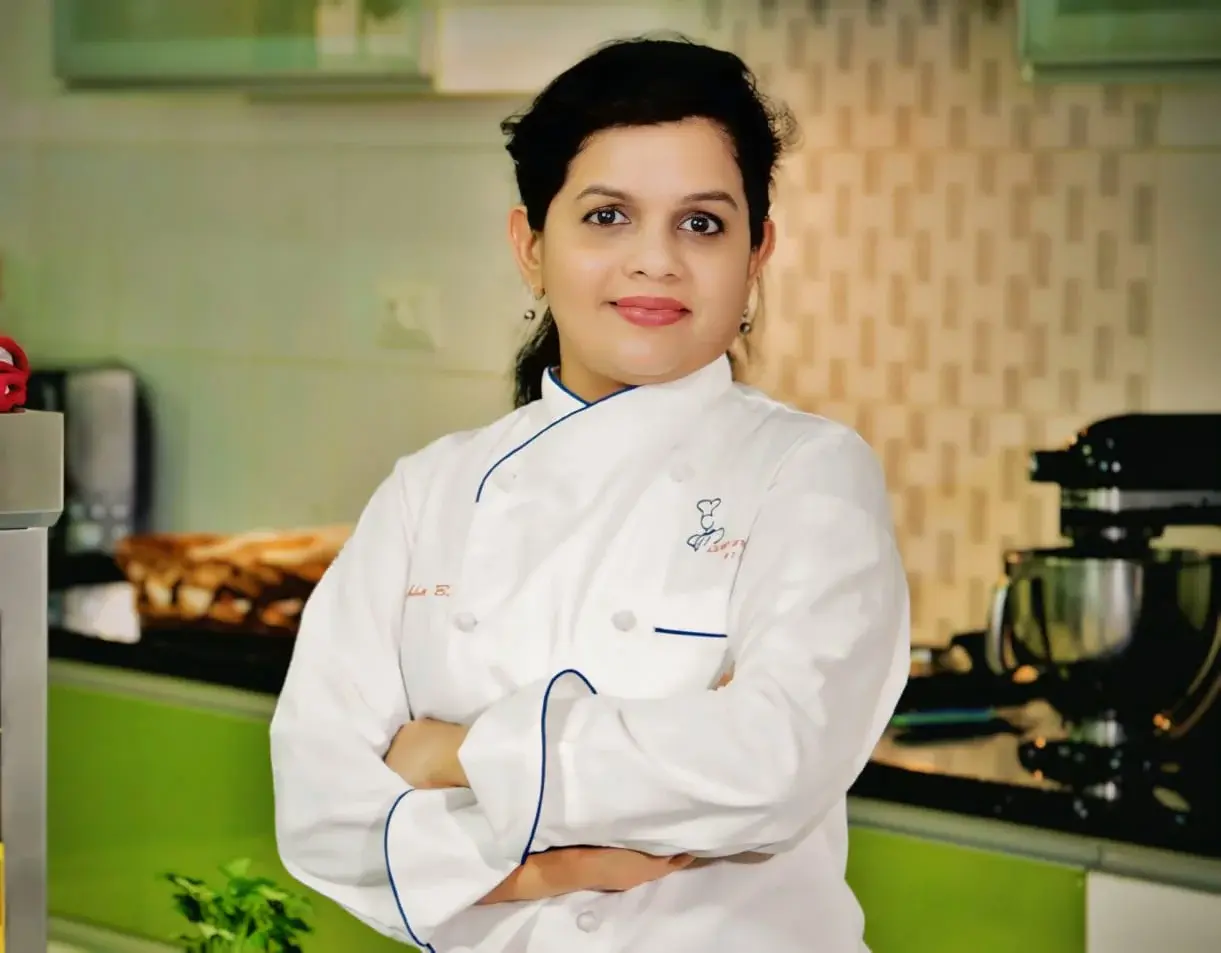
Shobha Bhat

Founder and Pastry Chef
Celesteyum Academy is the culmination of years of passionate baking and Shobha‘s dedication to teaching the best practices in the world of baking. Coming from a family deeply entrenched in the hospitality industry, her journey into the world of baking began a decade ago.