European Baking Techniques for Aspiring Bakers in Bangalore
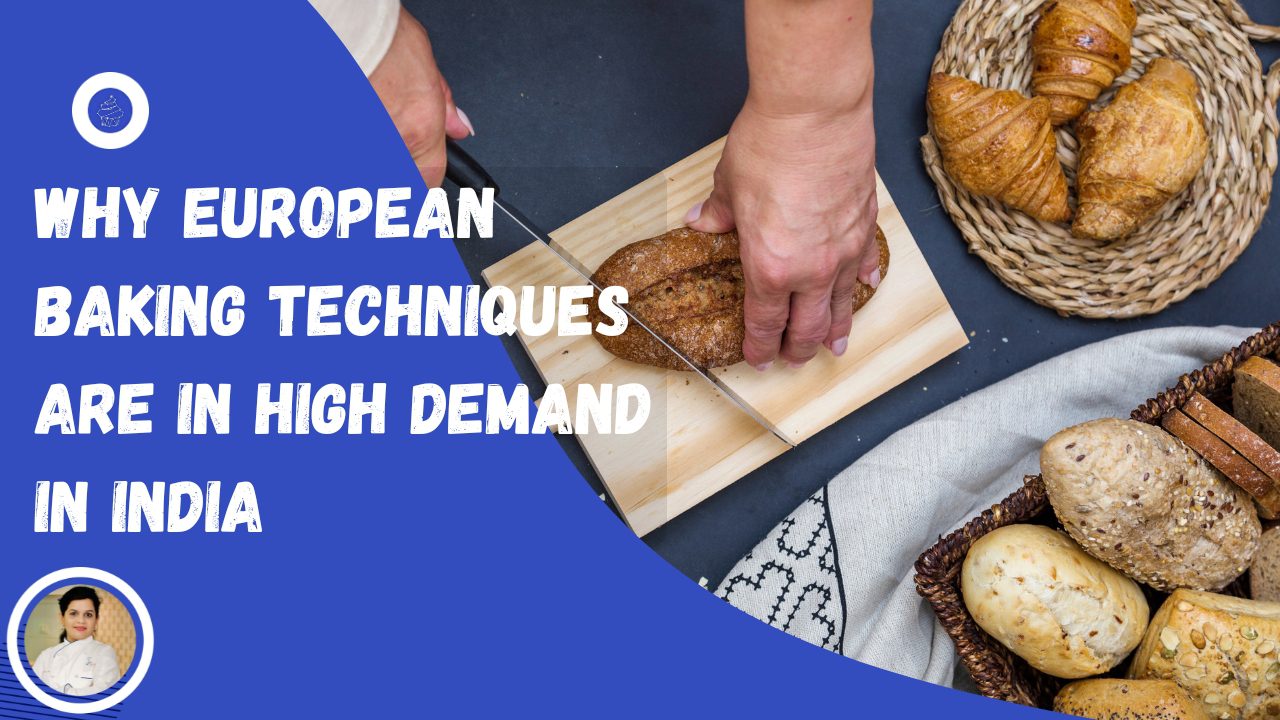
If you visit a premium bakery, café or hotel in Bangalore, you will often find croissants, sourdough loaves, macarons, tarts, éclairs, focaccia and other European-style bakery products on the menu.
For aspiring bakers, learning European baking techniques can help build stronger practical skills in dough handling, fermentation, lamination, pastry making and professional finishing.
For learners in Bangalore, these skills can be explored through focused baking classes as well as structured professional programmes at Celesteyum Academy in Whitefield.
Quick answer: Some of the most useful European baking skills include French pastry techniques, lamination technique, artisan bread fermentation, choux pastry, tart making, macarons, dough temperature control and professional finishing.
What Are European Baking Techniques?
European baking techniques are methods commonly used in French, Italian, German and other European baking traditions.
They focus strongly on:
- Accurate weighing
- Ingredient understanding
- Temperature control
- Fermentation
- Dough handling
- Lamination
- Pastry structure
- Consistent finishing
The main benefit is that learners understand not only what to do, but also why a particular baking technique works.
This makes European methods useful for anyone who wants to move beyond basic recipes and develop stronger professional baking skills.
Why Are European Baking Techniques Useful for Bakers in Bangalore?
European-style breads, pastries and desserts are now familiar across many bakeries, cafés and hospitality businesses in Bangalore.
For someone learning professional baking in Bangalore, techniques such as lamination, sourdough fermentation, tart making, choux pastry and macaron preparation can create a wider practical foundation.
The same technical skill can also support several products.
- Lamination is useful for croissants and other layered pastries.
- Fermentation knowledge is useful across artisan breads.
- Tart dough techniques can be applied to different pastry products.
- Choux pastry is used for products such as éclairs and profiteroles.
- Macaron preparation improves precision in mixing, piping and baking.
This makes European baking a useful area of study for learners who want to work across different bakery and pastry categories.
Which French Pastry Techniques Should You Learn?
French pastry techniques form an important part of European baking and professional patisserie.
Common techniques include:
- Shortcrust and sweet pastry dough
- Choux pastry
- Pastry creams and fillings
- Tart shells
- Layered desserts
- Glazing and finishing
- Laminated dough
- Croissant preparation
These methods require accurate handling, temperature control and repeated practice.
Learners in Bangalore who want focused training in these areas can explore Celesteyum Academy's Classic French Pastries programme in Whitefield.
What Is the Lamination Technique?
The lamination technique is used to create repeated layers of dough and butter.
It is one of the main techniques used for croissants and other flaky pastries.
The basic process includes:
- Preparing the dough
- Preparing the butter block
- Enclosing the butter inside the dough
- Rolling the dough evenly
- Folding the dough in a planned sequence
- Resting or chilling between folds
- Maintaining suitable dough and butter temperatures
If the butter becomes too soft, it can mix into the dough. If it becomes too hard, it may break while rolling.
This is why good lamination depends on temperature, rolling pressure, timing and regular practice.
Why Is Fermentation Important in European Bread Making?
Bread making is another important part of European baking.
Products such as baguettes, ciabatta, focaccia and artisan loaves depend on controlled fermentation.
A baker needs to understand:
- Flour strength
- Water absorption
- Yeast or starter activity
- Dough temperature
- Fermentation time
- Dough strength
- Shaping
- Proofing
Instead of depending only on a fixed time, bakers also learn to judge dough by its volume, texture, bubbles and strength.
Learners who want to start with bread techniques can explore Bread Baking Fundamentals.
For wider bread-making practice, Celesteyum Academy also offers Artisan Bread Classes.
Are Macaron Classes Useful for Developing Precision?
Yes. Macaron classes can help learners develop precision because macarons require careful control at several stages.
A learner needs to understand:
- Meringue consistency
- Macaronage
- Piping
- Resting
- Oven temperature
- Shell development
- Filling
Small changes in mixing, piping or baking can affect the final result.
Learners interested in this skill can explore Celesteyum Academy's Macaron Class.
What Can You Learn from Italian Baking?
Italian baking often focuses on simple ingredients, fermentation and flavour.
Products such as focaccia and ciabatta can help learners understand:
- Dough hydration
- Fermentation
- Gluten development
- Dough handling
- Ingredient quality
Italian methods show how good flavour and texture can come from simple ingredients when the process is controlled correctly.
What Can You Learn from German Baking?
German baking has a strong bread tradition and often includes wholegrain and rye-based breads.
These methods can help learners understand:
- Different flour types
- Wholegrain baking
- Hydration changes
- Structured fermentation
- Bread texture and structure
Learning different European baking traditions gives aspiring bakers a wider technical base instead of limiting them to one type of product.
Why Do Professional Bakers Need More Than Recipes?
Professional baking requires consistency.
A baker may need to make the same product several times while maintaining similar:
- Size
- Texture
- Shape
- Flavour
- Colour
- Finish
This requires understanding the process rather than simply memorising recipes.
European baking techniques can help learners build stronger habits around weighing, temperature control, fermentation, dough handling and finishing.
For an international reference on professional pastry skills, learners can also explore WorldSkills Pâtisserie and Confectionery.
What Is the Difference Between a Focused Baking Class and a Professional Programme?
A focused class is useful when you already know which skill you want to learn.
For example, someone who wants to improve only macarons, breads or French pastries may prefer a specialised class.
A professional programme is different because it brings several baking and pastry categories together into one structured learning path.
If you are comparing bakery courses in Bangalore, first decide whether your goal is to learn one product category, improve an existing skill or prepare for professional baking as a career.
Which Baking Course in Bangalore Fits Your Goal?
Use the table below as a simple starting point.
| Your Goal | Recommended Learning Path |
|---|---|
| Learn French pastry foundations | Classic French Pastries |
| Learn bread dough and fermentation | Bread Baking Fundamentals |
| Build wider artisan bread skills | Artisan Bread Classes |
| Improve macaron techniques | Macaron Class |
| Learn tart shells and pastry dough | Pies and Tarts |
| Get intensive professional training in a shorter format | Short-Term Diploma in Professional Patisserie and Confectionery |
| Build broader professional patisserie and confectionery skills | Advanced Diploma in Professional Patisserie and Confectionery |
A focused class is suitable when you want to improve one specific skill. A structured Diploma may be more suitable when your goal is broader professional training across different baking and pastry categories.
Are European Baking Classes Suitable for Beginners?
Yes, but beginners should normally start with the fundamentals.
You do not need to learn croissants, macarons and advanced pastries at the same time.
A practical learning path is:
- Understand weighing and ingredients.
- Learn basic dough handling.
- Understand temperature and fermentation.
- Practise simple pastry methods.
- Move into advanced lamination and finishing.
Building the basics first makes advanced European baking techniques easier to understand.
Where Can You Learn European Baking Techniques in Whitefield?
Celesteyum Academy conducts hands-on baking and pastry training in Whitefield, Bangalore.
Learners looking for baking classes in Whitefield can choose between focused workshops and professional programmes depending on their current skill level and learning goal.
Training areas include:
- French pastries
- Artisan breads
- Sourdough
- Macarons
- Pies and tarts
- Cakes
- Chocolate
- Confectionery
- Professional patisserie
For current class dates and upcoming batches, check the Baking Class Schedule in Bangalore.
Can European Baking Techniques Help Build a Baking Career?
European baking techniques can form an important part of a professional baker's skill set.
However, learning one technique or completing one class does not automatically lead to a job.
Career growth also depends on:
- Practical experience
- Consistency
- Speed
- Hygiene
- Teamwork
- Production knowledge
- Portfolio quality
- Problem-solving ability
For learners planning to work professionally, repeated hands-on practice is more useful than simply completing one recipe successfully.
Frequently Asked Questions About European Baking Techniques
What are European baking techniques?
European baking techniques include methods commonly used in French, Italian and German baking. Examples include lamination, fermentation, choux pastry, tart making, artisan bread production and professional finishing.
What are French pastry techniques?
French pastry techniques include choux pastry, tart shells, laminated dough, pastry creams, layered desserts and professional finishing.
What is lamination in baking?
Lamination is the process of creating repeated layers of dough and butter through controlled rolling and folding. It is commonly used for products such as croissants.
Are macarons difficult to learn?
Macarons require precision in mixing, piping, resting and baking. Hands-on practice can help learners understand batter consistency and oven behaviour.
Which European baking technique should a beginner learn first?
Beginners can start with bread fundamentals, simple pastry dough or basic French pastry techniques before moving to advanced lamination and complex desserts.
Where can I learn European baking techniques in Bangalore?
Celesteyum Academy in Whitefield offers hands-on training in French pastries, breads, macarons, tarts and other professional baking techniques.
Should I take a short baking class or a Diploma?
A short class is suitable when you want to learn one specific skill. A Diploma is more suitable when you want structured training across several baking and pastry categories.
Build Your European Baking Skills in Bangalore
Reading about European baking techniques helps you understand the process, but practical training helps you understand how dough, butter, fermentation and temperature actually behave.
For learners in Bangalore, Celesteyum Academy offers focused classes and professional training programmes at its Whitefield campus.
If you are unsure which programme suits your current skill level or career goal, contact Celesteyum Academy to discuss the available learning options.
UPCOMING CLASSES
- Breakfast Pastries Course in Bangalore
September 12, 2026 - Sour Dough Breads Class in Bangalore
September 12, 2026 - Breakfast Pastries Course in Bangalore
September 15, 2026 - Cakes and Pastries Class in Bangalore
September 19, 2026 - Bread Fundamentals Class in Bangalore
September 21, 2026 - Sour Dough Breads Class in Bangalore
September 24, 2026 - Cookies and Brownies Class in Bangalore
September 26, 2026 - Pastry Special Class in Bangalore
September 28, 2026 - Bread Fundamentals Class in Bangalore
October 3, 2026

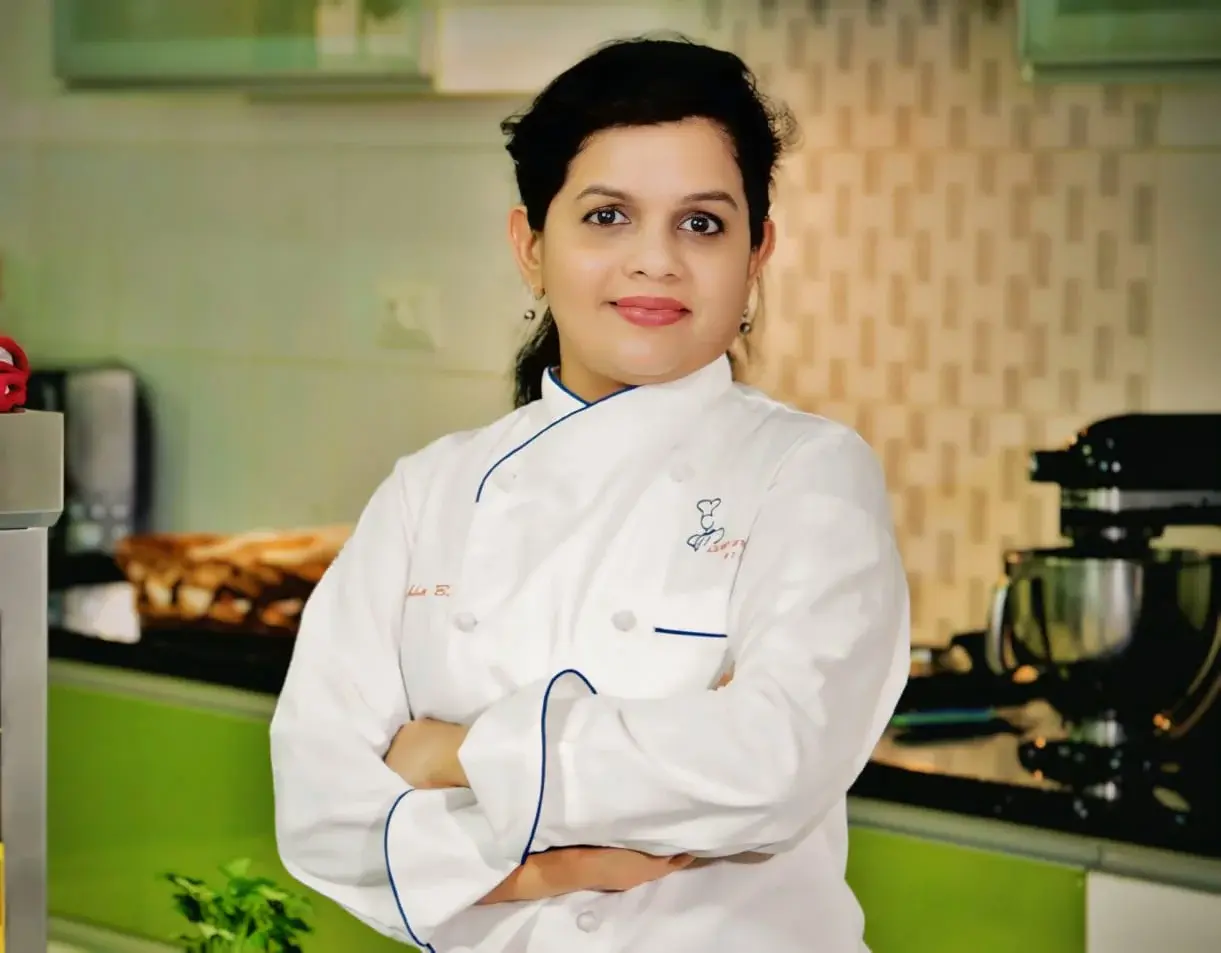
Shobha Bhat

Founder and Pastry Chef
Celesteyum Academy is the culmination of years of passionate baking and Shobha‘s dedication to teaching the best practices in the world of baking. Coming from a family deeply entrenched in the hospitality industry, her journey into the world of baking began a decade ago.